

07. 1. 2026
Alignment Issue Causing Uneven Tire Wear
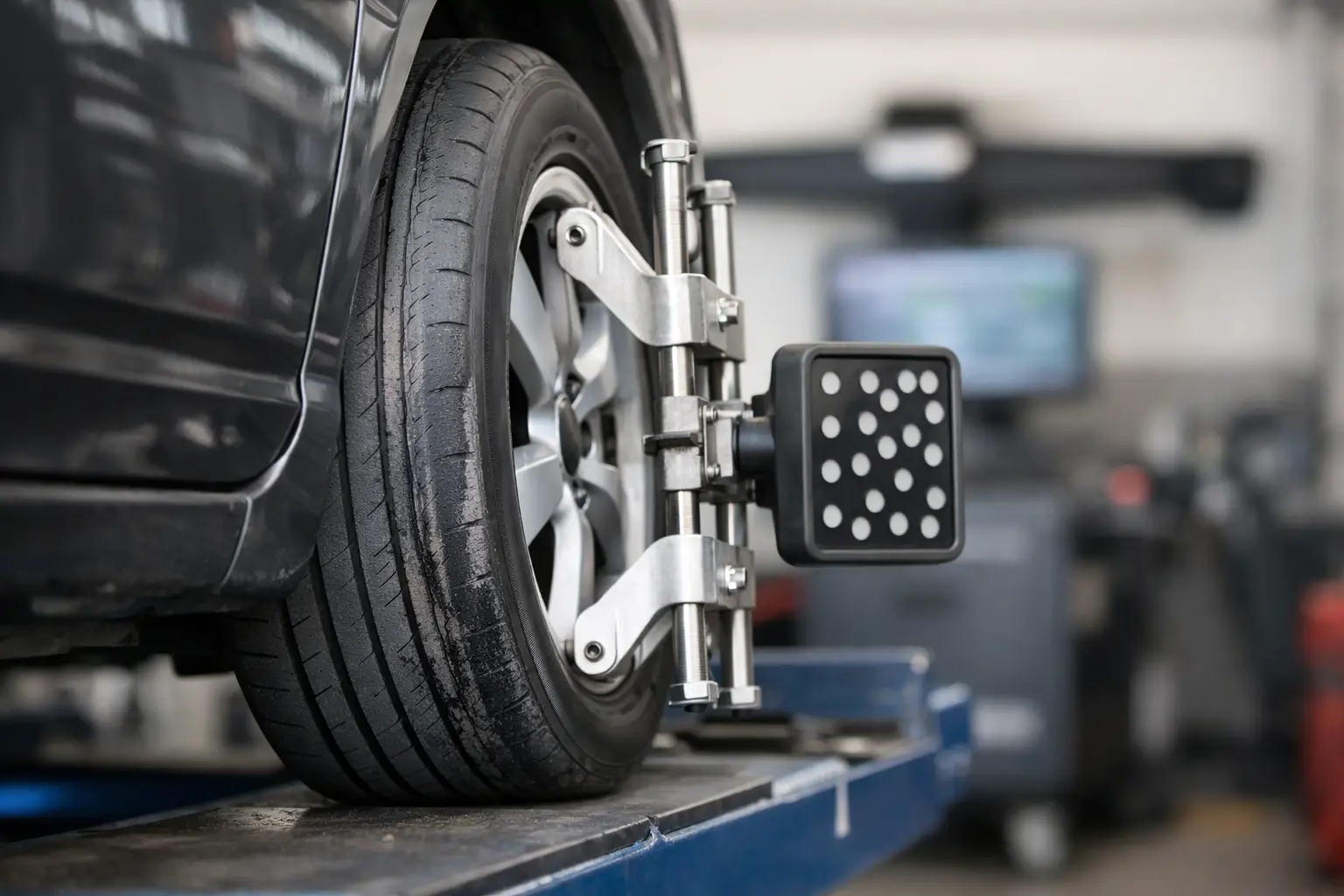
You usually notice tire wear after the damage is already underway. Maybe the steering wheel is a little off-center, the car pulls slightly on a straight road, or one front tire looks more worn on the inside edge than the other. In many cases, that points to an alignment issue causing uneven tire wear, and the longer it goes unchecked, the more expensive it gets.
For everyday drivers around Houston, that matters for more than tire life. Poor alignment can affect handling, braking feel, fuel economy, and overall confidence behind the wheel. If you depend on your vehicle for work, school drop-offs, or a long commute, small changes in how it drives are worth paying attention to.
What an alignment issue causing uneven tire wear really means
Wheel alignment is the adjustment of your suspension angles so your tires meet the road the way they should. Even a small amount of misalignment can cause one part of the tread to scrub against the pavement harder than the rest. That repeated friction wears the tire unevenly, often long before the tread should be gone.
The three angles most shops look at are camber, toe, and caster. Camber is the inward or outward tilt of the wheel. Toe describes whether the tires point slightly inward or outward when viewed from above. Caster affects steering stability and how the wheel returns to center. Not every vehicle has full adjustment at every corner, so the right fix depends on the design of the suspension and what has changed.
When alignment is off, the tire does not roll cleanly. It drags, scuffs, or rides harder on one shoulder. That is why uneven wear is often a symptom, not the root problem itself.
Common signs of an alignment issue causing uneven tire wear
Uneven tread is the clearest warning sign, but it is not the only one. Many drivers first notice the vehicle drifting left or right, especially on a flat road. Others feel the steering wheel sitting crooked even though the car is traveling straight.
You may also hear more road noise than usual. A tire with feathered or chopped tread can create a humming sound that seems like a wheel bearing at first. In other cases, the car feels less planted during lane changes or turns.
The wear pattern matters. Inside edge wear often points to excessive negative camber or toe problems. Outside edge wear can be related to positive camber, underinflation, or hard cornering. Feathering across the tread usually suggests toe is off. Cupping or scalloping may involve worn suspension parts rather than alignment alone. That is why a proper inspection matters before replacing tires or making adjustments.
What causes alignment problems in the first place?
A lot of people assume alignment only changes after a major accident, but that is not how it usually happens. Everyday driving can knock suspension angles out of spec. Hitting potholes, clipping curbs, rolling through rough construction zones, and even normal wear over time can all change alignment.
Worn components are also a big factor. Ball joints, tie rods, control arm bushings, struts, and other suspension parts help keep the wheels positioned correctly. If one of those parts develops play, the alignment may shift or become impossible to hold. In that case, an alignment alone is only a temporary fix.
Ride height changes can matter too. If springs sag or aftermarket parts alter suspension geometry, tire wear can show up quickly. On trucks and SUVs, lifted or modified suspensions often need extra attention because changes in height can affect toe and camber more than drivers expect.
Why tire wear is not always caused by alignment alone
This is where a lot of drivers get tripped up. Uneven wear does not automatically mean alignment is the only issue. Tire pressure, rotation history, suspension wear, wheel balance, and driving habits all play a role.
For example, underinflation often wears both outer shoulders. Overinflation tends to wear the center tread faster. If tires are not rotated regularly, front tires may wear differently than rear tires, especially on front-wheel-drive vehicles. A damaged tire or bent wheel can also mimic an alignment problem.
That is why a trustworthy shop should not jump straight to one answer. The right approach is to inspect the tires, check suspension and steering components, confirm tire pressures, and measure alignment angles. It saves time, money, and frustration.
How fast can misalignment wear out tires?
Sometimes it takes months. Sometimes it happens surprisingly fast. A severe toe problem can chew through a newer tire in a short period of time, especially if you drive a lot of highway miles. Mild misalignment may be less obvious, but it can still shorten tread life enough to cost you a set of tires much earlier than expected.
The frustrating part is that tires may still look decent at a glance. You have to look closely across the full tread width and compare all four tires. Inside edge wear is easy to miss unless the vehicle is lifted or the wheels are turned.
If the problem is caught early, an alignment may stop the wear from getting worse and help you get more life from the tires. If the tread is already worn unevenly, the tire may continue to ride noisily even after the alignment is corrected. Once rubber is gone, it does not grow back.
When you should schedule an alignment check
There are a few times when checking alignment makes sense even if the vehicle still feels mostly normal. After hitting a pothole or curb hard, it is smart to have it inspected. The same goes for installing new tires, replacing suspension or steering parts, or noticing changes in steering feel.
A yearly alignment check can also be a good preventive move for vehicles that see rough roads, daily commuting, or a lot of stop-and-go driving. It is a relatively small service compared with the cost of replacing tires early.
If your vehicle is pulling, your steering wheel is off-center, or one tire is wearing faster than the others, do not wait too long. The longer you drive on misaligned wheels, the more likely it is that simple maintenance turns into a larger repair bill.
What happens during a professional alignment service
A proper alignment is more than adjusting numbers on a screen. First, the technician should inspect the steering and suspension system to make sure worn parts are not affecting the readings. Tire condition and pressure should also be checked because both can influence handling and wear.
Then the vehicle is placed on alignment equipment that measures the current angles. Based on the manufacturer specifications, the technician adjusts the available settings so the wheels are positioned correctly. On some vehicles, rear alignment is just as important as front alignment because the rear wheels influence tracking and steering stability.
If parts are bent, seized, or worn out, the technician should explain that before proceeding. Honest service matters here. Sometimes the answer is a straightforward alignment. Sometimes there is a deeper issue that needs repair first so the alignment will actually hold.
Protecting your tires after the alignment
Once alignment is corrected, a few simple habits help protect your investment. Keep tire pressures set to the recommended level, rotate tires on schedule, and pay attention to changes in steering or ride quality. If your vehicle starts pulling again soon after an alignment, it may point to a worn component that was not obvious at first.
It also helps to have your tires inspected during routine maintenance. A quick look during an oil change or tire rotation can catch early wear before it becomes severe. For drivers who want straightforward answers without pressure, that kind of regular check is often the best way to avoid bigger problems later.
At Firestone1960, this is the kind of issue we encourage drivers not to brush off. Uneven tire wear might seem minor at first, but it can be your vehicle’s way of warning you that something is changing underneath.
The cost of waiting too long
Misalignment rarely fixes itself. What starts as a slight steering pull can turn into shortened tire life, reduced traction in wet weather, and extra stress on suspension components. If you replace tires without addressing the underlying cause, the new set can start wearing the same way.
There is also the everyday safety factor. A vehicle that does not track straight or respond predictably is more tiring to drive, especially in traffic or on long highway stretches. That may not sound dramatic, but over time it affects comfort and confidence behind the wheel.
If you suspect an alignment issue causing uneven tire wear, the smartest move is to get it checked before the wear becomes permanent. Catch it early, fix what is actually wrong, and give your tires a fair chance to last the way they should.
Social Share:


No Comment Yet! You can post first response comment.