

10. 19. 2026
Engine Repair: Signs Your Car Needs Attention
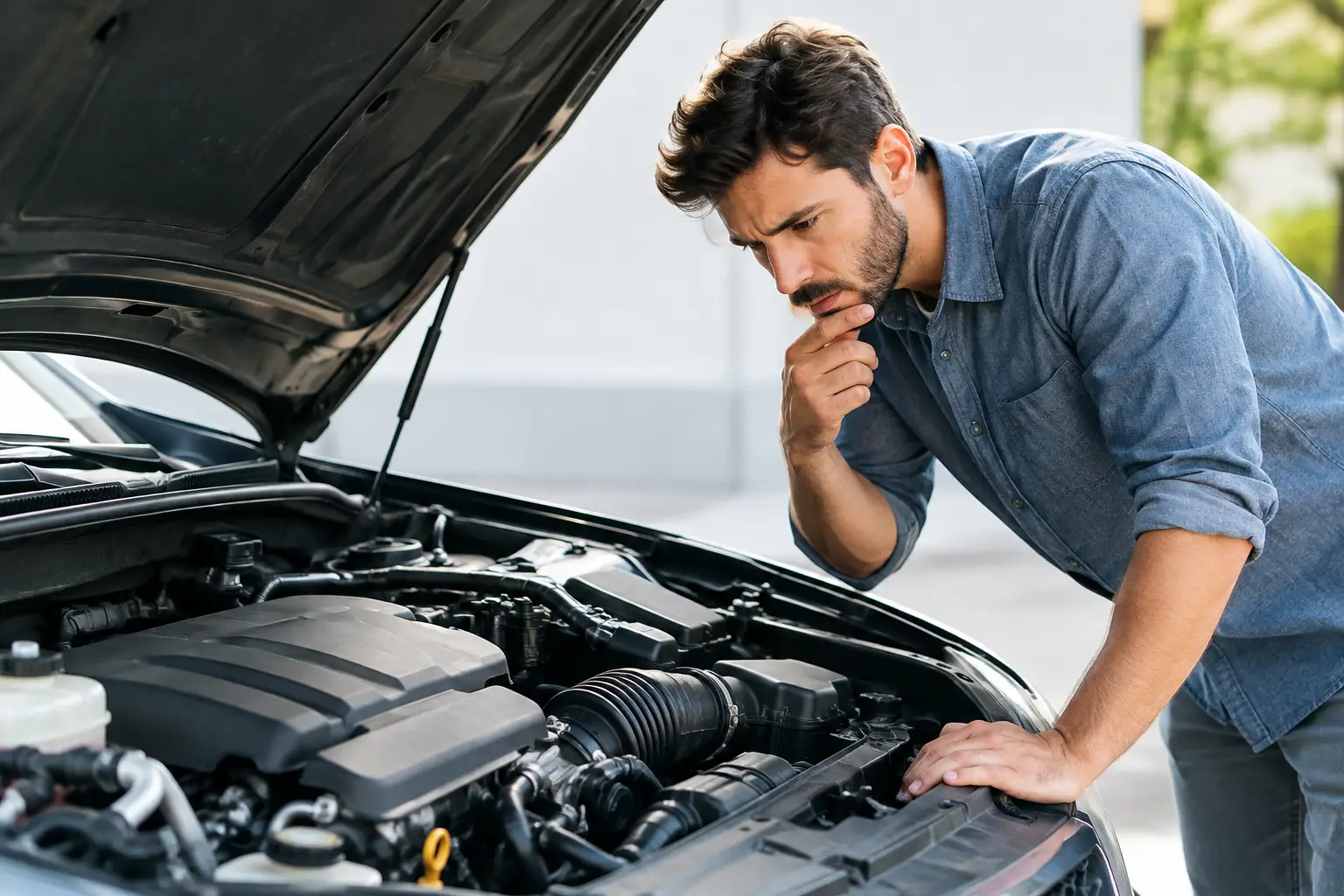
That small change in the way your car starts, idles, or accelerates can become a much bigger problem if it is ignored. Engine repair is rarely something drivers plan for, but acting on early warning signs can protect your vehicle, reduce downtime, and help prevent a manageable repair from turning into major engine damage.
For North Houston drivers, that matters. Stop-and-go traffic, summer heat, long commutes, and heavy use all put added stress on engines and cooling systems. The good news is that many engine concerns begin with symptoms that a qualified technician can diagnose before they leave you stranded.
When Engine Repair May Be Needed
An engine does not have to fail completely before it needs professional attention. In fact, the most cost-effective repairs often happen while the vehicle is still running normally enough to get you to the shop. A warning light, an unfamiliar sound, or a change in performance is your car’s way of asking for a closer look.
The check engine light stays on or flashes
A steady check engine light can point to many issues, from a loose gas cap to a sensor problem, an ignition concern, or an emissions-related fault. It should not be ignored simply because the car still drives.
A flashing check engine light is more urgent. It can indicate an active engine misfire, which may allow unburned fuel to damage the catalytic converter. If the light is flashing, reduce driving and have the vehicle inspected as soon as possible.
Your engine is running rough
A rough idle, hesitation when accelerating, shaking at a stoplight, or a noticeable loss of power can all signal an engine-related problem. Common causes include worn spark plugs, failing ignition coils, vacuum leaks, fuel delivery issues, dirty air intake components, or sensor faults.
These symptoms do not automatically mean you need major internal engine work. That is why proper diagnostics matter. Replacing parts based on a guess can waste time and money, while testing the system helps identify what is actually causing the problem.
You hear knocking, ticking, or grinding
Engines make normal mechanical sounds, especially as they age, but a new or persistent noise deserves attention. Ticking may be related to low oil, valve train components, or an exhaust leak. Knocking can be associated with combustion problems or internal wear. Grinding, squealing, or rattling may come from belts, pulleys, accessories, or components outside the engine itself.
The sound alone is not a diagnosis, but the timing of it is useful. Notice whether it happens during startup, while idling, under acceleration, or only when the engine is hot. Sharing those details helps a technician narrow down the issue more efficiently.
The engine is overheating or losing coolant
If the temperature gauge is rising, steam is coming from under the hood, or you repeatedly need to add coolant, do not treat it as a minor inconvenience. Overheating can damage head gaskets, warp cylinder heads, and create expensive internal engine problems.
A cooling-system issue may be caused by a leak, weak radiator cap, failing thermostat, worn water pump, blocked radiator, cooling fan problem, or other component. The right repair depends on the source of the problem. Continuing to drive an overheating vehicle is one of the fastest ways to turn a repairable issue into a major engine repair.
You notice smoke, oil loss, or unusual exhaust
Blue smoke from the exhaust can indicate that the engine is burning oil. White exhaust smoke that continues after the vehicle has warmed up may suggest coolant is entering the combustion chamber. Thick black smoke can point to an overly rich fuel mixture.
Oil spots on the driveway, a burning-oil smell, or a dropping oil level between oil changes should also be checked. Some leaks are external and relatively straightforward to repair. Others can indicate an issue that needs more detailed inspection. Either way, maintaining proper oil level is essential because engine oil lubricates, cools, and protects moving parts.
Why Accurate Diagnostics Come Before Engine Repair
Modern vehicles rely on computer controls, sensors, ignition components, fuel systems, and mechanical parts that work together. The same symptom can come from several different causes. A rough-running engine, for example, could be related to a spark plug, fuel injector, airflow sensor, compression issue, or wiring problem.
A professional diagnostic process starts with listening to the driver’s concerns and checking the vehicle’s warning lights and stored trouble codes. From there, technicians may inspect fluid condition, test battery and charging performance, examine ignition and fuel system operation, check for leaks, and perform mechanical tests when needed.
Trouble codes are valuable clues, but they are not a complete answer on their own. A code may identify the system that noticed a fault, not necessarily the part that failed. Thoughtful testing helps avoid unnecessary repairs and gives you a clearer explanation of what your vehicle needs now versus what can be monitored.
Common Engine-Related Repairs and What They Mean
Some engine concerns are resolved with maintenance-related service. Replacing worn spark plugs, ignition coils, filters, belts, hoses, or sensors can restore dependable performance when those components are the source of the problem. Addressing oil leaks, coolant leaks, and air intake issues early can also prevent damage to more expensive parts.
Other repairs are more involved. Timing chain or timing belt concerns, head gasket failures, low compression, damaged valves, and internal bearing problems require a deeper level of inspection and repair. The best path depends on the vehicle’s age, mileage, overall condition, and the extent of the damage.
For an older vehicle with significant internal engine wear, a repair may not always be the most practical investment. In other cases, a targeted repair can add years of dependable service. An honest estimate should explain the condition found, the recommended repair, the risks of waiting, and the available options so you can make a decision that fits your vehicle and budget.
Protecting Your Engine Between Service Visits
Regular maintenance is the simplest way to reduce the chance of unexpected engine trouble. Oil changes performed at the correct interval are especially important because old or low oil can contribute to excessive wear, overheating, sludge buildup, and poor performance. The right oil type and filter also matter, particularly for newer engines with manufacturer-specific requirements.
Pay attention to your coolant level, dashboard gauges, and warning lights. Do not wait for a scheduled oil change if you smell coolant, notice a leak, hear a new noise, or feel the vehicle running differently. A quick inspection can often catch small problems before they affect your work schedule, family plans, or daily commute.
It also helps to keep up with recommended spark plug, air filter, fuel system, and cooling-system service. Not every vehicle needs these services at the same mileage, so your owner’s manual and your vehicle’s actual condition should guide the schedule. Good maintenance is not about selling unnecessary work. It is about servicing the systems that need attention before they create a more expensive failure.
Choosing a Shop for Engine Repair
Engine work requires more than replacing a part and hoping for the best. Look for a shop that takes time to diagnose the concern, explains findings in plain language, and provides an estimate before repairs begin. You should understand what is urgent, what is recommended for reliability, and what can reasonably wait.
At Firestone1960, our goal is to provide practical answers and dependable service for drivers who rely on their vehicles every day. Whether the concern is a check engine light, a cooling issue, poor performance, or an unfamiliar noise, our technicians can inspect the problem and help you move forward with confidence.
Your car does not need to be broken down on the side of the road before it deserves attention. If something feels different behind the wheel, schedule an inspection while the issue is still small enough to give you more repair options.
Social Share:




No Comment Yet! You can post first response comment.