

05. 30. 2026
Why Does My Steering Wheel Pull?

You are driving to work, the road is straight, and yet your hands keep correcting the wheel to stay in your lane. If you have been asking, why does my steering wheel pull, the short answer is that something in your tires, alignment, brakes, or suspension may be off. Sometimes it is a minor tire issue. Other times, it is your vehicle warning you that a larger safety problem is starting.
A pulling steering wheel is easy to brush off when life is busy. But if your vehicle constantly drifts left or right, it is worth checking sooner rather than later. The longer you wait, the more likely you are to wear out your tires faster, put extra stress on steering components, or deal with handling that feels less stable in traffic or bad weather.
Why does my steering wheel pull on a straight road?
When drivers describe a pull, they usually mean one of two things. The vehicle may drift to one side even when the steering wheel is centered, or the steering wheel itself may feel off-center and need constant correction. Those can feel similar from the driver seat, but the root cause is not always the same.
In many cases, the issue comes down to alignment. Your wheels are designed to point at very specific angles so the car tracks straight and the tires wear evenly. If those angles shift because of potholes, curb impact, worn suspension parts, or normal wear over time, the vehicle can start pulling.
That said, alignment is not the only possibility. Uneven tire pressure, tire wear, brake drag, or a failing suspension component can create the same symptom. That is why a proper inspection matters more than guessing.
The most common reasons your steering wheel pulls
Wheel alignment problems
This is one of the most common causes. If your alignment is off, the wheels are no longer working together the way they should. You may notice the car drifting to one side, a crooked steering wheel, or uneven tire wear.
Houston-area roads can be tough on alignment. Potholes, rough pavement, speed bumps, and curb contact all add up. Even if the pull feels mild right now, an alignment issue tends to get worse with time and can shorten tire life quickly.
Uneven tire pressure
A tire with lower pressure creates more rolling resistance than the others. That can make the vehicle pull to one side, especially at city speeds. It is one of the simplest issues to fix, but it is also one of the easiest to overlook.
If your steering started pulling suddenly, checking tire pressure is a smart first step. Keep in mind that a tire losing pressure may point to a nail, wheel damage, or a slow leak, so topping it off is not always the end of the story.
Tire wear or tire defects
Tires can cause pulling even when the pressure looks fine. Uneven tread wear, separated belts, internal tire damage, or mismatched tire sizes can all change how the vehicle tracks. Sometimes a tire develops what technicians call a radial pull, where the tire itself causes the car to drift.
This is one reason tire rotation matters. Regular rotation helps tires wear more evenly and can reveal a tire-related pull before it turns into a larger issue.
Brake problems
If the vehicle pulls mostly when you hit the brakes, the problem may not be steering at all. A sticking brake caliper, worn brake hardware, or uneven brake force from side to side can make the car lunge or pull during braking.
This deserves quick attention. Brake pull is not just annoying. It can affect stopping control, especially in wet conditions or emergency situations.
Suspension or steering wear
Your suspension and steering system do more than keep the ride comfortable. They help keep the vehicle planted, balanced, and predictable. Worn ball joints, tie rods, control arm bushings, wheel bearings, or shocks and struts can all contribute to pulling, wandering, or loose steering feel.
This is where the answer becomes more than just alignment. If a part is worn or loose, an alignment alone may not hold. The vehicle may go out of spec again because the underlying component is no longer supporting the wheel correctly.
Road crown and normal road design
Not every slight drift means something is wrong. Most roads are built with a crown so water runs off to the sides. On some roads, especially older or uneven ones, you may notice a small tendency for the vehicle to drift right.
The key is consistency. If the pull is strong, happens on multiple roads, or has gotten worse over time, it is probably not just road design.
When the pull happens matters
One helpful clue is noticing exactly when the problem shows up.
If the car pulls all the time, think alignment, tires, or suspension first. If it pulls only while braking, the brakes move higher on the list. If it pulls after hitting a bump or at highway speeds, worn steering or suspension parts may be involved. If the steering wheel is only crooked but the car drives mostly straight, that often points to alignment angles being off rather than a true side-to-side pull.
These details help narrow things down, but they do not replace a hands-on inspection. Different problems can overlap, and more than one issue may be present at once.
Why you should not ignore it
A pulling steering wheel rarely fixes itself. More often, it leads to added tire wear, reduced fuel efficiency, and handling that feels increasingly unpredictable. If the cause is suspension or brake related, waiting can also turn a smaller repair into a bigger one.
Uneven tire wear is one of the most expensive side effects because it can ruin a set of tires long before their normal lifespan. Drivers sometimes replace the tires first, only to find the new set starts wearing unevenly too because the real problem was never corrected.
There is also the safety factor. When your car does not track straight, you work harder at the wheel. That may seem manageable on a short drive, but over time it adds fatigue and makes quick corrections more stressful.
How a shop diagnoses a steering pull
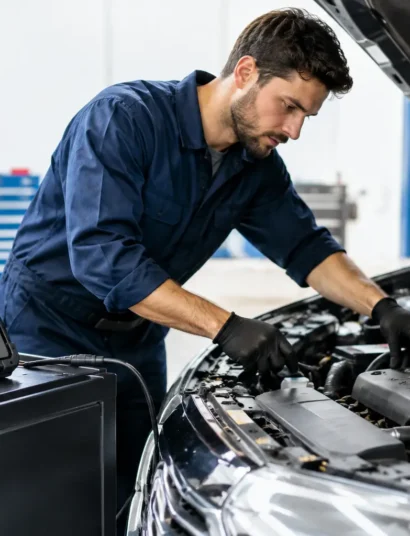
A good inspection starts with the basics. Tire pressure is checked first, followed by tread wear, tire condition, and any signs of damage. After that, a technician will usually inspect suspension and steering components, measure the alignment, and road test the vehicle if needed.
If the pull happens during braking, the brake system should be evaluated too. In some cases, the shop may rotate tires or move them side to side to see whether the direction of the pull changes. That can help confirm a tire-related issue.
This step-by-step approach matters because replacing parts without testing is expensive and frustrating. The goal is to fix the real cause, not just the symptom.
What you can check before bringing it in
There are a few simple things you can look at yourself. Check tire pressure against the sticker inside the driver door, not the number on the tire sidewall. Look for one tire that appears lower than the others or has noticeably different tread wear. Pay attention to whether the vehicle pulls during normal driving, only while braking, or after bumps.
What you should not do is assume it is safe because the car still feels drivable. Many alignment, brake, and suspension issues start subtly. By the time the pull becomes severe, the repair bill is often larger.
Why does my steering wheel pull after new tires or recent service?
This can happen, and it does not always mean the new tires are bad. Sometimes fresh tires reveal an existing alignment issue that worn tires were masking. In other cases, a tire may have a manufacturing variation that causes a pull, or the vehicle may need a steering angle reset or alignment after suspension work.
If the problem started right after tire installation, alignment service, or front-end repair, it is worth having it rechecked. A reputable shop should be willing to verify what changed and make sure the vehicle tracks properly.
The smart next step
If your car keeps drifting and you are asking why does my steering wheel pull, the safest move is to have it inspected before the problem wears out your tires or affects your control on the road. At Firestone1960, that usually means looking at the full picture – tires, alignment, brakes, steering, and suspension – so you get a clear answer instead of a guess.
A car that tracks straight feels better, drives safer, and costs less to maintain over time. If yours is asking for constant correction, it is worth listening to it now instead of waiting for the problem to get louder.
Social Share:


No Comment Yet! You can post first response comment.