

06. 3. 2026
How to Choose the Right Tires
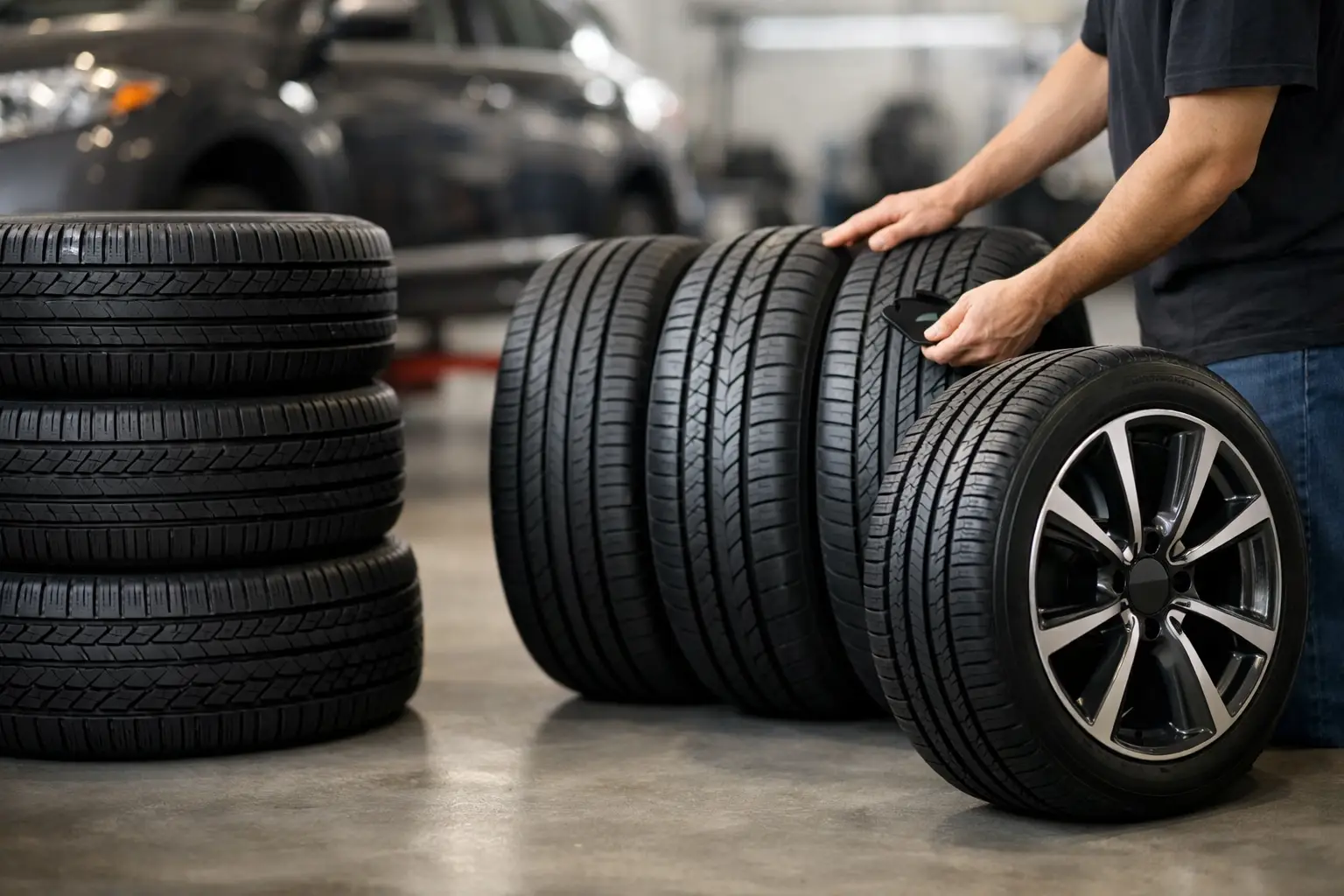
A tire decision usually gets rushed. One goes bald, the weather turns, or the inspection sticker is coming up, and suddenly you are standing there trying to compare sidewalls, prices, and promises. If you have ever wondered how to choose the right tires without overpaying or guessing, the good news is that the process is simpler when you focus on how you actually drive.
The right tire is not always the most expensive one or the one with the most aggressive tread pattern. It is the tire that fits your vehicle correctly, matches the roads and weather you deal with, and gives you the right balance of comfort, traction, tread life, and value. For most drivers around Houston, Cypress, Spring, and Humble, that means looking at everyday performance first, not race-car marketing.
How to choose the right tires for your vehicle
Start with the basics: tire size, load rating, and speed rating. These need to match what your vehicle was designed to use. You can find that information on the sticker inside the driver-side door jamb, in the owner’s manual, or on your current tires. The string of numbers and letters on the sidewall might look complicated, but it tells you the width, aspect ratio, wheel diameter, and performance ratings.
Getting the size wrong can create more problems than people expect. A tire that is too wide, too tall, or not rated for the vehicle’s load can affect braking, steering feel, fuel economy, ride quality, and even speedometer accuracy. In some cases, it can also lead to uneven wear or clearance issues when turning.
If you want a slightly different look or performance feel, there may be safe options, but that is where expert guidance matters. A small change can be fine. A bigger change can cause headaches fast.
Know what type of tire you actually need
Once fitment is confirmed, the next question is tire category. This is where many drivers get sold on features they do not need.
All-season tires are the most common choice for a reason. They are designed to handle a wide range of conditions, offer a comfortable ride, and deliver good tread life for daily commuting and family driving. For most North Houston drivers, a quality all-season tire is the practical choice because it handles heat, rain, highway miles, and regular city driving well.
Touring tires are a strong option if ride comfort, low road noise, and long tread life matter most to you. These are often a great fit for sedans, crossovers, and family SUVs that spend most of their time on paved roads.
Performance tires offer sharper handling and better grip, especially in dry conditions, but there is a trade-off. They usually wear faster, may ride firmer, and can cost more. If your priority is sporty response, they can be worth it. If your priority is a quiet commute and good value, they may not be.
All-terrain tires make sense for trucks and SUVs that see rough roads, job sites, or light off-road use. They bring tougher construction and stronger traction on dirt or gravel, but they can also be louder and reduce fuel economy compared with standard highway tires.
Match your tires to Houston-area driving conditions
Choosing tires by climate matters more than many drivers realize. Around here, winter snow performance is not the main issue. Heat, heavy rain, potholes, construction zones, and long highway commutes are much more relevant.
That means wet traction should be high on your list. A tire with solid rain performance helps reduce the risk of hydroplaning and gives you more confidence during sudden downpours. Tread design matters here, but so does tire quality overall. Two tires may both be labeled all-season, yet one can perform much better than the other in wet braking.
Heat resistance is another factor worth paying attention to in Texas. Long stretches of hot pavement put tires under real stress, especially if inflation is off or the tire is already aging. A dependable tire from a trusted manufacturer is usually a better value than a bargain tire that wears quickly or struggles in summer conditions.
Road quality also affects the choice. If your daily route includes rough pavement, broken edges, and frequent construction areas, durability and ride comfort should matter more than ultra-sharp handling.
Tread life, price, and the real cost of a tire
Most people shop tires by sticker price first, which makes sense, but the lowest upfront cost is not always the best deal. A cheaper tire that wears out early, rides poorly, or does not perform well in the rain can cost more in the long run.
Instead of asking only, “What is the cheapest set I can buy?” it helps to ask, “What am I getting for the money?” A tire with longer tread life, better traction, and a quieter ride may save you money over time while making your daily drive safer and more comfortable.
That does not mean everyone needs premium tires. A lot depends on how much you drive, what you drive, and how long you plan to keep the vehicle. If you put on a lot of miles every week, investing in a better tire often pays off. If the car is driven occasionally and mostly around town, a solid mid-range option may be the smarter choice.
How to choose the right tires without getting oversold
The easiest way to avoid overspending is to be clear about your priorities. If you want long tread life, say that. If wet-road grip matters more than a sporty look, say that. If you are trying to stay within a firm budget, say that too. A trustworthy shop will help you compare realistic options instead of pushing the highest-priced set on the rack.
A good recommendation should explain the trade-offs. One tire may last longer but cost more upfront. Another may be quieter but not handle as sharply. Another may be great for truck use but louder on the highway. There is rarely one perfect tire for every driver.
This is also a good time to ask about warranty coverage, expected mileage, and whether your current alignment or suspension condition could affect tire wear. Even the right tires will not perform well if the vehicle has underlying issues.
Do not ignore alignment and inflation
Tires do not wear in a vacuum. If your alignment is off, your steering wheel is crooked, or your suspension parts are worn, a brand-new set can start wearing unevenly much sooner than expected.
That is why tire replacement often goes hand in hand with an alignment check. If your car pulls to one side, the steering feels off-center, or your old tires show wear more on one edge than the other, it is smart to address that before or during installation.
Proper inflation matters just as much. Underinflated tires run hotter, wear faster, and hurt fuel economy. Overinflated tires can ride harshly and wear unevenly down the center. Tire pressure should be checked regularly, especially during major temperature changes and before longer road trips.
Signs it is time for new tires
If you are unsure whether replacement can wait, look at tread depth, sidewall condition, and overall age. Tires with low tread lose wet traction fast. Cracks, bulges, repeated air loss, or vibration while driving can all point to a tire problem that should not be ignored.
Age matters too, even if tread still looks decent. Rubber hardens over time, and older tires may not grip the road like they should. Many drivers are surprised to learn that a tire can look acceptable at a glance and still be well past its best years.
If you are not sure what you are seeing, that is where a straightforward inspection helps. At Firestone1960, the goal is to give drivers clear recommendations based on safety, condition, and how the vehicle is used, not pressure.
A simple way to make the final decision
If all the options start sounding the same, narrow your choice with four questions. Does it fit your vehicle correctly? Does it handle the weather and roads you drive on most? Does it match your priorities for comfort, traction, or tread life? Does the price make sense for how long you expect to use the vehicle?
That approach cuts through a lot of noise. The best tire for your neighbor’s truck or your friend’s sports sedan may not be the best one for your commute, your family vehicle, or your budget.
A good set of tires changes how a vehicle feels every day. Steering feels steadier, braking feels more confident, and rough roads become less stressful. When you choose based on real driving needs instead of guesswork, you are not just buying rubber. You are making every mile a little safer and a lot more dependable.
Social Share:


No Comment Yet! You can post first response comment.