

06. 5. 2026
10 Best Ways to Improve Gas Mileage
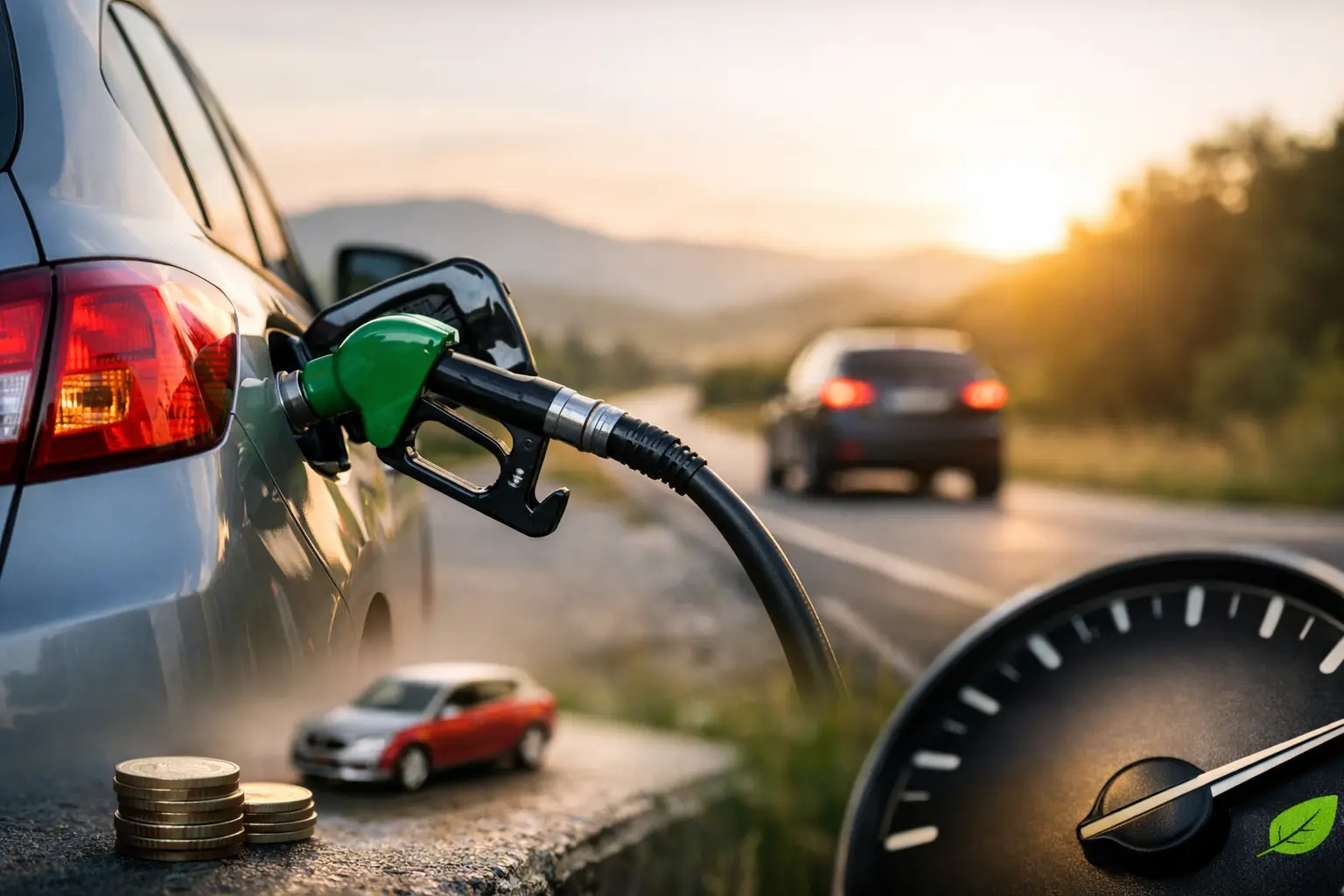
That drop at the gas pump adds up fast, especially if you commute across Houston, sit in traffic on FM 1960, or spend half your week running kids, errands, and work around town. The best ways to improve gas mileage are usually not expensive upgrades or gimmicks. In most cases, they come down to smarter driving, proper tire care, and staying ahead of maintenance that keeps your engine working the way it should.
Some fuel-saving advice online sounds easy but leaves out the part that matters most – what actually makes a noticeable difference for everyday drivers. If you want better mileage, the goal is to reduce the extra work your vehicle has to do. Less strain on the engine, less rolling resistance, and fewer small problems under the hood usually mean fewer stops at the pump.
Best ways to improve gas mileage that actually work
One of the biggest factors is how you drive. Hard acceleration burns more fuel than most drivers realize, and quick braking often means you just wasted energy getting up to a speed you did not need. Smooth, steady driving helps your vehicle stay efficient. If you accelerate gradually, leave room ahead of you, and avoid constant speed changes, your fuel economy usually improves without any cost at all.
Speed matters too. Many vehicles are most efficient at moderate highway speeds, and mileage often drops once you push much past that range. If you regularly drive 75 or 80 when traffic allows, you may be paying for it every week. Shaving a few miles per hour off your cruising speed will not transform your car overnight, but over time it can make a real difference.
Idling is another common fuel waster. Modern vehicles do not need long warm-ups in most Texas conditions. If your car is sitting and running while you wait in a parking lot, outside a school, or in the driveway, it is using gas without getting you anywhere. There are exceptions, of course, like very heavy traffic where shutting the engine off repeatedly is not practical. Still, many drivers idle more than they think.
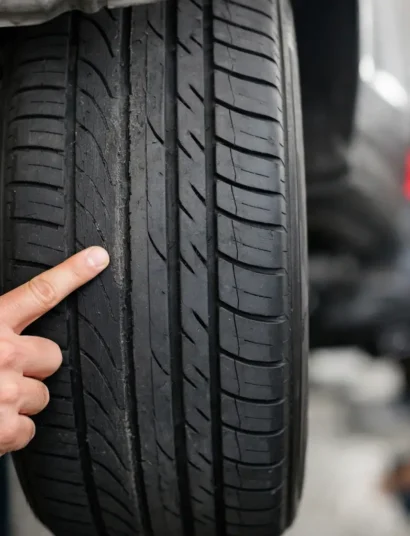
Then there is tire pressure, which is one of the simplest checks and one of the most overlooked. Underinflated tires create more rolling resistance, so your engine has to work harder to move the vehicle. That means worse gas mileage and faster tire wear. The right pressure is listed on the sticker inside the driver-side door, not just on the tire itself. A quick pressure check every month can help protect both fuel economy and tire life.
Why maintenance plays such a big role in gas mileage
If your car is overdue for service, fuel economy is often one of the first places you notice it. Dirty oil, clogged air filters, worn spark plugs, failing sensors, and neglected tune-up items can all hurt efficiency. Sometimes the drop is gradual enough that you adjust to it, then realize later your vehicle has been using more gas for months.
Oil changes matter because old or incorrect oil can increase friction inside the engine. That does not mean every premium oil choice will suddenly save a dramatic amount of fuel, but using the manufacturer-recommended oil and changing it on schedule helps the engine operate as designed. It is basic maintenance, but basic maintenance is often where the best results come from.
Air filters are a little more nuanced. On older vehicles, a badly clogged engine air filter can reduce performance and efficiency. On many newer cars, the effect is not always huge, but if the filter is dirty enough, replacing it still helps the engine breathe properly. The key is not guessing. A technician can inspect it and tell you whether it is time.
Spark plugs, ignition components, and fuel system issues can also drag mileage down. If your engine is misfiring, hesitating, or running rough, you are not just dealing with a drivability problem. You are usually wasting fuel too. The same goes for a check engine light. Even if the car still seems to run okay, a faulty oxygen sensor or emissions-related issue can throw off fuel delivery and cost you money at the pump.
Tire and alignment issues can quietly waste fuel
A lot of drivers think of gas mileage as an engine problem only, but your tires and suspension matter more than you might expect. Misaligned wheels can increase drag and rolling resistance. If your car pulls to one side, the steering wheel sits off-center, or your tires are wearing unevenly, an alignment issue could be affecting both handling and fuel use.
Tire choice matters too. Oversized tires, aggressive tread patterns, and heavier wheel setups can reduce fuel economy compared with the factory setup. That does not mean you should never upgrade your tires. It just means there is usually a trade-off between appearance, traction style, ride feel, and efficiency. For most daily drivers, sticking close to the manufacturer-recommended tire size is the safer bet if gas mileage is a priority.
Rotating tires on schedule also helps. Uneven wear can change how the vehicle rolls and handles, and it may shorten tire life enough that you end up paying more in the long run. Good tire maintenance will not solve every fuel economy problem, but it is one of the most practical places to start.
Small habits that help more than people expect
Weight matters. If your trunk has been carrying around old tools, sports gear, bottled water, or storage bins for months, you are asking the engine to move extra cargo every day. The effect may not be dramatic from one item, but combined weight adds up. Cleaning out your vehicle is free, quick, and worth doing.
Roof racks and cargo carriers can hurt mileage too, especially at highway speeds. Even when you are not hauling anything, they add aerodynamic drag. If you rarely use them, removing them can help improve efficiency. This is one of those changes that makes more sense for some drivers than others. If your rack is essential for work or family travel, convenience may matter more than the fuel savings.
Using the air conditioner can affect mileage, but it depends on your driving conditions. At lower speeds, rolling down the windows may use less fuel than running the A/C. At higher highway speeds, open windows can create enough drag that using the air conditioner may actually be the better choice. There is no perfect answer for every situation. If you are trying to save fuel, the practical move is to use whichever option keeps the car comfortable without overdoing it.
Trip planning helps more than most people think. Combining errands into one route reduces cold starts and extra miles. A warmed-up engine typically runs more efficiently than one that is constantly starting from cold. If you can organize your stops to avoid backtracking across town, that is a simple way to use less gas each week.
When poor fuel economy means something is wrong
Sometimes bad gas mileage is not about habits at all. It is a symptom. If your MPG suddenly drops, the car feels sluggish, or you notice rough idle, unusual smells, reduced power, or warning lights, the vehicle may need diagnostic work. Common causes include bad oxygen sensors, mass airflow sensor problems, dragging brakes, low tire pressure, alignment issues, and engine performance faults.
This is where guessing can get expensive. Fuel additives, inflated claims from aftermarket gadgets, and random parts replacement usually do not fix the root problem. A proper inspection is the faster path. At a trusted local shop, technicians can look at the full picture instead of chasing one symptom at a time.
For drivers in the North Houston area, that matters. A lot of local driving involves stop-and-go traffic, heat, short trips, and long commutes, which all put extra strain on tires, fluids, and engine components. A car that is slightly out of tune in mild conditions may show the problem much faster here.
The best ways to improve gas mileage start with consistency
If you want better fuel economy, think less about shortcuts and more about patterns. Drive smoothly, keep your tires properly inflated, stay current on oil changes and inspections, and pay attention when your car starts acting differently. Those habits tend to save more money than any miracle product sitting near the checkout counter.
At Firestone1960, we have seen how often simple maintenance and honest diagnostics help drivers get back the mileage they have been missing. Better gas mileage is not usually about one magic fix. It is about taking care of the whole vehicle so it can take care of your daily drive.
Social Share:


No Comment Yet! You can post first response comment.