

05. 28. 2026
How to Tell Brake Rotor Problems Early
A steering wheel that suddenly shakes when you brake is hard to ignore. So is a scraping sound at a stoplight, or a brake pedal that no longer feels smooth and steady under your foot. If you have been wondering how to tell brake rotor problems before they turn into a bigger repair, the good news is that your car usually gives you a few clear warnings.
Brake rotors are the metal discs your brake pads clamp down on to slow the vehicle. Every time you stop in Houston traffic, come down an exit ramp, or sit in stop-and-go commuter lines, those rotors heat up and cool down again. Over time, that constant stress can lead to wear, hot spots, uneven surfaces, or damage that affects braking performance. Some rotor issues show up gradually. Others seem to appear all at once.
The key is knowing which symptoms matter, which ones can wait a day or two, and which ones mean it is time to have your brakes checked right away.
How to tell brake rotor problems from everyday driving
Most drivers do not inspect their rotors directly very often, and that is normal. Usually, you notice rotor trouble through changes in the way the car feels, sounds, or stops.
One of the most common signs is vibration when braking. If the steering wheel shakes or the brake pedal pulses as you slow down, especially from higher speeds, the rotor surface may be uneven. Many people call this a warped rotor. In everyday shop talk, that is fine, but the actual cause can vary. Sometimes the rotor has developed thickness variation. Sometimes there are heat spots or uneven pad material transfer on the rotor face. Either way, the result is the same – braking no longer feels smooth.
Noise is another clue. A squeal does not always point to the rotors, since brake pads often make noise first. But grinding, scraping, or a harsh metal-on-metal sound can mean the pads are worn down enough to damage the rotors. When that happens, stopping safely becomes a bigger concern, and repair costs usually go up.
You may also notice longer stopping distances or a general loss of braking confidence. The car may still stop, but it feels like it takes more effort or more room to do it. That can come from several brake issues, not just rotors, but the rotors are part of the system and should be inspected.
Common signs your brake rotors may be failing
Rotor problems do not always look dramatic, but they rarely stay small forever. A few symptoms deserve attention sooner rather than later.
Pulsing in the brake pedal
A pulsing pedal is one of the clearest signs that the rotor surface is no longer consistent. If you feel a rhythmic thump or pulse while slowing down, especially during moderate or hard braking, the rotor may be worn unevenly. This often gets worse over time.
Shaking in the steering wheel
If the front rotors are the problem, the steering wheel may shake when you apply the brakes. This can feel mild at first, then become more noticeable on the freeway or during sudden stops. It is not something to brush off, because any reduction in control during braking matters.
Grinding or scraping sounds
A sharp squeak can come from pad wear indicators, dust, or surface rust after rain. Grinding is different. Grinding usually means metal is contacting metal, which can score the rotor and make replacement more likely than a simpler brake pad service.
Visible grooves, scoring, or discoloration
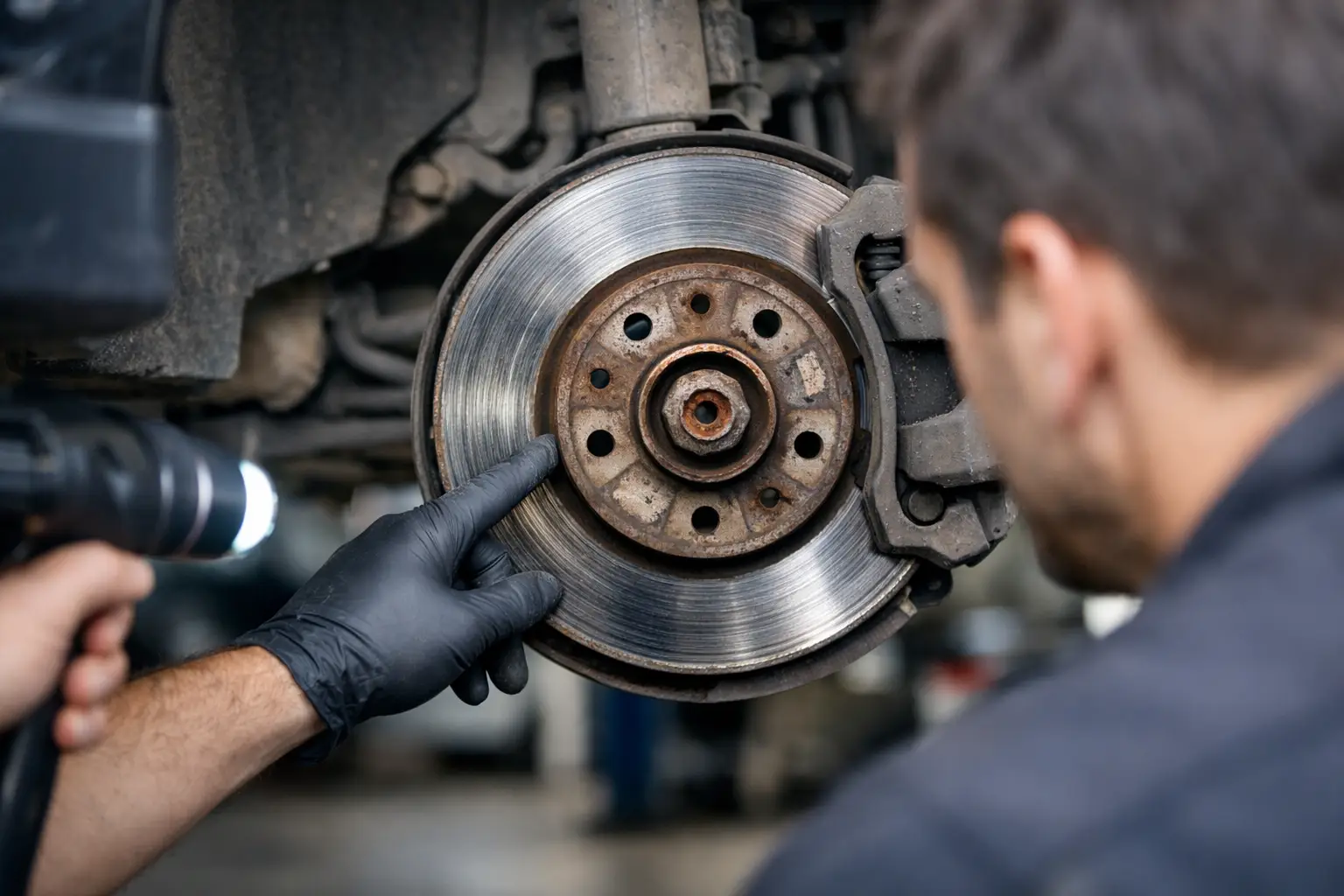
If you can see the rotor through the wheel, look for deep grooves, rough scoring, cracks, or blue spots from overheating. Light surface rust after sitting overnight is common and often clears off quickly. Heavy rust, deep damage, or obvious heat marks are more serious.
Brake pedal or braking feel has changed
If the pedal feels softer, harder, or less predictable than usual, do not assume it is normal wear. Rotor condition, pad wear, brake fluid issues, and caliper problems can all affect pedal feel. That is why a proper inspection matters.
What causes rotor problems in the first place?
Rotors wear down with normal use, but some driving conditions speed up the process. In North Houston, a lot of drivers spend time in traffic, make repeated short trips, and deal with long hot seasons. That combination creates a lot of brake heat.
Hard braking is one factor. So is towing, carrying heavy loads, or driving in a way that keeps the brakes working constantly. Cheap brake parts can also wear unevenly or transfer pad material poorly. In some cases, the issue is not the rotor alone. A sticking caliper can keep pressure on one side and create hot spots. Worn pads can chew into the rotor surface. Improper lug nut torque after wheel service can even contribute to rotor stress in certain cases.
That is why brake work should never be treated like a guess. The symptom may feel simple, but the cause is not always obvious without checking the full system.
How to tell brake rotor problems versus brake pad problems
This is where many drivers get stuck. Pads and rotors work together, so the symptoms often overlap.
Brake pads usually speak up first with squealing or chirping. If the pads are worn but the rotors are still in decent condition, you may not feel much vibration. Rotor issues are more likely to create pulsing, shaking, or uneven braking feel. If the pads have worn completely down, though, they can damage the rotors and create grinding too.
The short version is simple. Squealing alone may point more toward pads. Pulsing and shaking during braking lean more toward rotors. Grinding can mean both are already in bad shape. But there is enough overlap that a visual inspection is still the smart move.
Can you keep driving with bad rotors?
It depends on how bad the problem is, but this is not something to stretch for weeks if the symptoms are obvious.
If the issue is light surface rust after the car sat for a day or two, that may clear off once you drive and brake normally. If you have mild vibration that just started, you may still be able to drive short distances carefully while scheduling service. But if braking is noisy, shaky, or less effective, the risk goes up quickly.
Rotors do not heal themselves. Uneven wear tends to get worse. Damaged rotors can wear out fresh brake pads faster, reduce stopping performance, and add stress to other brake components. Safety is the first concern, but cost is close behind. Catching rotor trouble early usually gives you more repair options.
What a shop checks during a brake inspection
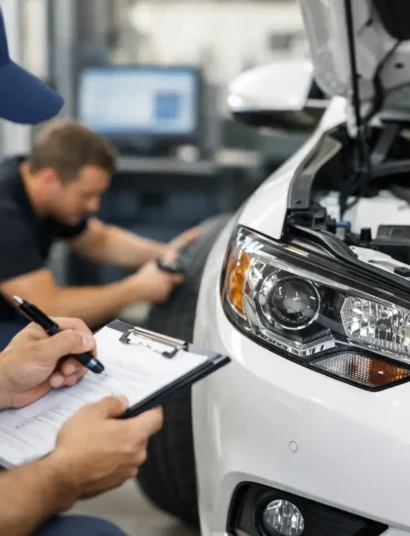
A proper brake inspection is about more than glancing at the pads. A technician should check rotor thickness, rotor surface condition, pad wear, caliper operation, hardware condition, and overall brake performance.
In some cases, rotors can be resurfaced if they meet manufacturer specs and the damage is minor. In many modern vehicles, replacement is the better option because rotors are thinner than older designs and may not have much usable material left. That is one of those areas where it depends on the vehicle, the rotor condition, and what will give you the safest, most reliable result.
A good shop should also explain why a rotor needs service instead of just recommending parts without context. For everyday drivers, clear answers matter just as much as the repair itself.
When to schedule brake service
If you notice vibration, grinding, visible damage, or a clear change in stopping performance, schedule an inspection soon. Waiting rarely saves money with brake issues. More often, it turns a smaller repair into a larger one.
For drivers who are not sure what they are feeling, trust the change. Your car has a normal braking feel, and when that changes, there is usually a reason. Even if it turns out to be minor, getting it checked gives you peace of mind and helps protect your vehicle.
At Firestone1960, we see a lot of brake concerns that started with a small shake, a little noise, or a feeling that something was just off. That instinct is often right.
Brake rotors do not need your attention every day, but they do deserve it when your car starts sending signals. If your braking feels rough, sounds wrong, or takes the confidence out of your drive, it is worth having a trusted technician take a look before a routine stop turns into a bigger problem.
Social Share:



No Comment Yet! You can post first response comment.