

06. 13. 2026
How to Read Tire Sidewall Numbers
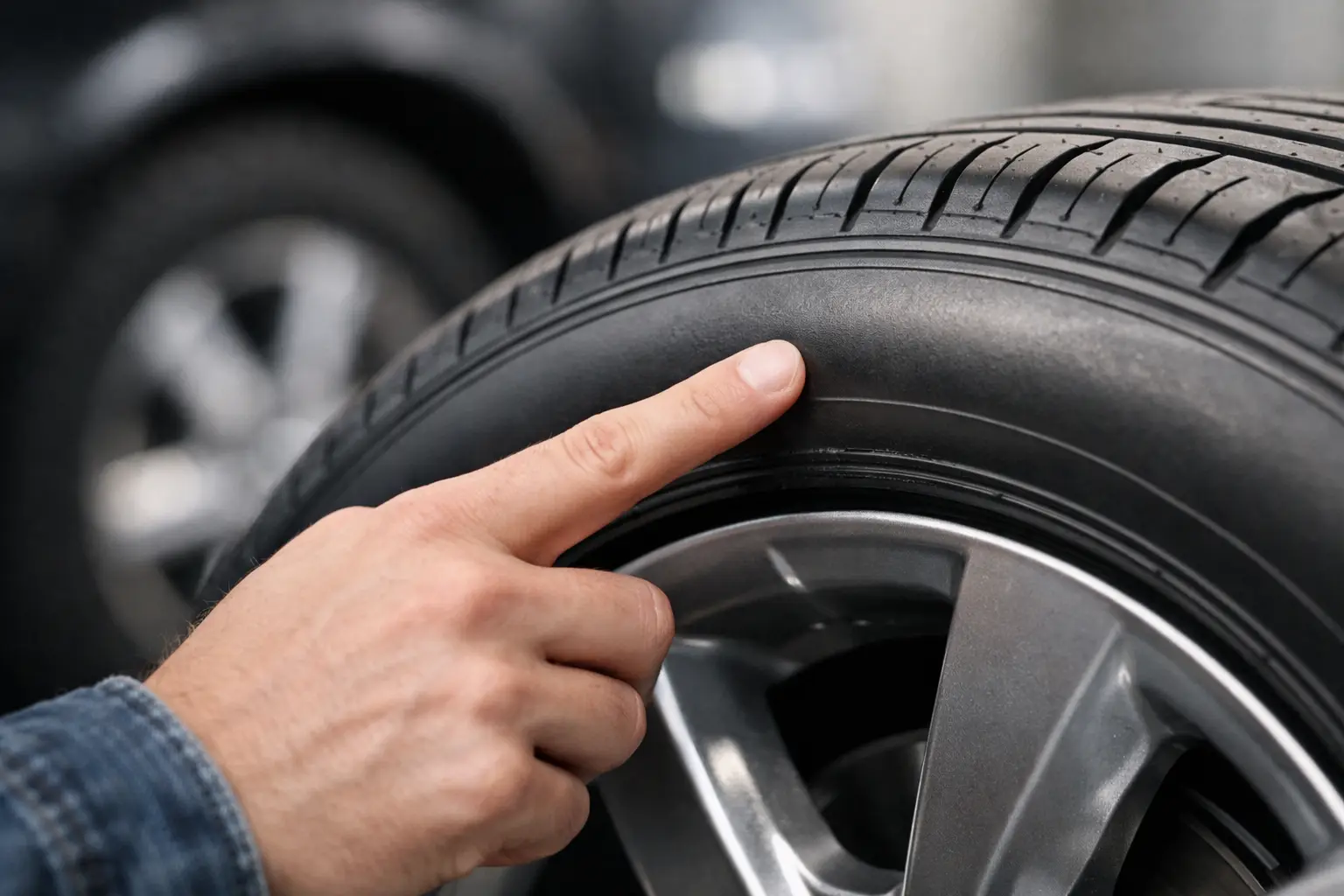
A tire tells you a lot before it ever leaves the parking lot. Those letters and numbers on the sidewall are not random – they describe the tire’s size, strength, speed capability, and even when it was made. If you’ve ever stood next to your car and wondered how to read tire sidewall numbers, you’re not alone. Most drivers only look at tread, price, and brand, but the sidewall is where the important fitment details live.
Knowing what those markings mean can save you from buying the wrong tire, mixing incompatible tires, or putting a heavier workload on your vehicle than the tire was built to handle. It also helps when you’re comparing quotes, checking what’s already on your car, or deciding whether a replacement matches the manufacturer’s recommendation.
How to read tire sidewall numbers at a glance
A common example looks like this: P215/65R16 98H. At first glance, it looks more complicated than it is. Once you break it into sections, it becomes pretty easy to read.
The first letter, if there is one, often tells you the tire type. The number that follows is the tire width in millimeters. The next number is the aspect ratio, which compares sidewall height to tire width. The letter after that tells you the tire construction, and the last number in that main sequence is the wheel diameter in inches. After that, you’ll usually see a load index and speed rating.
That string of characters gives your technician a quick snapshot of what the tire is built to do and whether it belongs on your vehicle.
Breaking down each part of the tire size
Tire type
You may see a letter before the size numbers. P means passenger vehicle tire. LT means light truck. ST is for special trailer use, and T can indicate a temporary spare.
Not every tire starts with a letter. Some metric tires leave it off entirely, but the rest of the code still works the same way. For most family sedans, SUVs, and crossovers around Houston, you’ll usually see P-metric or LT tires depending on the vehicle and its intended use.
Section width
In P215/65R16, the 215 is the tire width in millimeters. This is the measurement from one sidewall to the other at the tire’s widest point, not the tread width touching the road.
A wider tire can improve grip in some situations, but wider is not automatically better. It depends on your wheel size, suspension setup, fuel economy goals, and the manufacturer’s specifications.
Aspect ratio
The 65 in that example is the aspect ratio. It means the sidewall height is 65 percent of the tire’s width. A higher number means a taller sidewall. A lower number means a shorter sidewall.
This matters more than many drivers realize. Taller sidewalls often provide a softer ride, while lower-profile tires can sharpen handling but ride firmer and may be more vulnerable to pothole damage. Around North Houston, where road conditions can vary, that trade-off is worth paying attention to.
Construction type
The R means radial construction. That is the standard for modern passenger vehicles. You might occasionally see other construction letters on specialty tires, but radial tires are what most drivers have on the road today.
Wheel diameter
The 16 in P215/65R16 means the tire fits a 16-inch wheel. This number is always in inches, even though the width is listed in millimeters.
That mix of metric and imperial measurements trips people up all the time. The key thing to remember is simple: the wheel diameter must match exactly. A 16-inch tire does not fit a 17-inch wheel, even if the rest of the numbers look close.
What the load index and speed rating mean
After the tire size, you’ll often see something like 98H. These two markings are easy to overlook, but they matter.
Load index
The 98 is the load index. It represents how much weight the tire can safely carry when properly inflated. It is not written out in pounds on the sidewall, so you need a reference chart to convert it to an actual weight value.
What matters for most drivers is this: the replacement tire should meet or exceed the vehicle manufacturer’s required load capacity. Going lower can affect safety and durability, especially on heavier vehicles or those that carry passengers, cargo, or towing loads regularly.
Speed rating
The H is the speed rating. This indicates the maximum speed the tire is designed to sustain under specified conditions. Common ratings include S, T, H, V, and W.
This does not mean you should drive at that speed. It means the tire has been engineered to perform up to that level. Speed ratings also relate to handling, heat resistance, and ride feel. If you replace a tire with a lower speed rating than recommended, you may change how the vehicle handles or reduce the tire’s performance margin.
Other sidewall markings you should know
The main size code gets the most attention, but there are a few other markings that are helpful.
DOT code and tire age
Look for a DOT number on the sidewall. At the end of that code, you’ll find four digits that show when the tire was made. For example, 2523 means the tire was manufactured in the 25th week of 2023.
This is useful when buying tires or checking older ones that still have tread left. Tires age even if they are not driven much. Heat, sunlight, moisture, and time all affect rubber, which is especially relevant in Texas.
Maximum inflation and load
You may also see wording that lists the tire’s maximum load and maximum inflation pressure. These numbers are often misunderstood. They do not usually mean the tire should be inflated to that exact pressure for everyday driving.
For the correct tire pressure, check the sticker inside the driver’s door jamb or your owner’s manual. That pressure is based on your specific vehicle, not just the tire itself.
UTQG ratings
Some passenger tires also show UTQG ratings, which stand for treadwear, traction, and temperature. These can help when comparing tire models, but they are not a perfect apples-to-apples system across every brand.
They are useful as a general guide, especially if you want longer tread life or stronger wet traction, but they should be considered alongside your driving habits and the kind of roads you drive most often.
How to read tire sidewall numbers when replacing tires
When it’s time for a new set, many drivers assume matching the width and wheel size is enough. It’s not. You also want to match the aspect ratio, load index, and speed rating unless a qualified technician recommends an approved alternative.
Small changes can have bigger effects than expected. A different aspect ratio can alter ride height and speedometer accuracy. A lower load rating can reduce safety margins. A different tire type may affect comfort, fuel economy, or handling.
There are cases where a different size makes sense, like upgrading wheels or choosing a tire for a specific use, but those decisions should be made carefully. The best fit depends on the vehicle, how you drive, and whether you prioritize ride comfort, tread life, off-road capability, or sporty handling.
Common mistakes drivers make
One common mistake is reading only part of the code. Two tires might both say 225 and 17, but if one is 225/65R17 and the other is 225/55R17, they are not the same size.
Another mistake is ignoring tire age because the tread looks fine. Tires can look healthy on the outside and still be aging out.
Some drivers also rely on the number printed on the sidewall for inflation instead of the vehicle placard. That can lead to overinflation and uneven wear. Others mix tires with different load or speed ratings on the same vehicle, which can affect balance, traction, and braking feel.
When it’s worth asking a tire professional
Reading the sidewall gives you useful information, but it does not answer every fitment question. If your car came with staggered tire sizes, upgraded wheels, run-flat tires, or a performance package, details matter. The same goes for trucks and SUVs that tow, haul gear, or see rough roads regularly.
That’s where a local shop can help you sort through the options without guessing. At Firestone1960, we spend a lot of time helping drivers find the right tire for how they actually use their vehicle, not just what looks close on paper.
The next time you walk up to your car, take a quick look at the numbers on the sidewall. Once you know how to read them, you’re in a better position to choose wisely, ask better questions, and keep your vehicle riding smooth and safe.
Social Share:


No Comment Yet! You can post first response comment.