

09. 5. 2026
How to Tell If Struts Are Bad on Your Car

Your car may still start, stop, and get you to work with worn struts, but it will not handle the road the way it should. If you are wondering how to tell if struts are bad, pay attention to changes in ride comfort, steering control, tire wear, and braking behavior. Strut problems often develop gradually, so drivers can get used to the symptoms without realizing safety and handling have been affected.
Struts are more than parts that make your ride feel smooth. They are a key part of the suspension system, helping control the motion of your vehicle’s springs while also supporting the wheel assembly on many vehicles. When they wear out, your vehicle can bounce, dip, wander, and put extra strain on tires and other suspension components.
What Bad Struts Feel Like Behind the Wheel
The most noticeable sign is often a ride that feels less controlled than it used to. A vehicle with healthy struts should settle quickly after a bump. If yours continues bouncing after railroad tracks, potholes, or speed bumps, worn struts may be allowing too much suspension movement.
You may also feel the front end dip sharply when braking or rise noticeably when accelerating. This is sometimes called nose-diving or squatting. A small amount of movement can be normal, especially in larger vehicles, but dramatic motion is a reason to have the suspension inspected.
Bad struts can make everyday driving feel tiring. The vehicle may sway more than expected through turns, feel unsettled on uneven pavement, or seem to drift when crosswinds hit. Houston-area roads, construction zones, rough patches, and potholes can make these symptoms easier to notice.
8 Signs Your Struts May Be Bad
No single symptom confirms a bad strut. Tire condition, alignment, steering components, and even tire pressure can cause similar issues. Still, these warning signs are strong reasons to schedule a professional inspection.
- Excessive bouncing after bumps. Push down firmly on a corner of a parked vehicle, then let go. It should rebound and settle quickly. Repeated bouncing can point to worn struts, though this simple test is not a complete diagnosis.
- Nose-diving when braking. If the front of the vehicle drops hard during normal braking, worn front struts may be contributing to the problem. This can make the vehicle feel less stable during sudden stops.
- Body roll or swaying in turns. Your vehicle may lean more than usual when turning, changing lanes, or taking highway curves. Other suspension parts can cause this too, so it is worth checking before the issue gets worse.
- Uneven or cupped tire wear. Cupping creates uneven high and low spots around the tire tread. It can cause a humming sound and a rough ride. Worn struts may allow the tire to lose steady contact with the road, accelerating this type of wear.
- Fluid leaking from the strut. Many struts are hydraulic and contain fluid. A light film of grime is not always a concern, but visible wetness or fluid running down the strut body may mean the internal seal has failed.
- Clunking or knocking noises. A loose, damaged, or worn strut assembly can make noise over bumps or while turning. The sound may also come from mounts, sway bar links, ball joints, or other suspension parts, which is why accurate diagnostics matter.
- Steering that feels loose or unpredictable. If you are constantly correcting the steering wheel, especially at highway speeds, suspension wear could be affecting vehicle control. Do not assume an alignment alone will solve it.
- A harsh or choppy ride. Worn struts do not always create a soft, bouncy ride. In some cases, the vehicle may feel unusually stiff, jarring, or noisy over rough pavement because the strut is no longer controlling movement correctly.
How to Tell If Struts Are Bad or If It Is Something Else
Several vehicle issues can feel like bad struts. Low tire pressure can make handling feel vague. An out-of-balance tire can create vibration. Poor wheel alignment may cause pulling or uneven tread wear, while worn ball joints, control arm bushings, or tie rods can create clunks and loose steering.
That overlap is why replacing struts based on one symptom alone can be a costly guess. A proper inspection includes checking for leaks, damaged mounts, worn suspension joints, tire condition, and alignment-related wear. Your technician should explain what was found and why a repair is recommended.
It also helps to think about when the problem occurs. Bouncing after bumps points more toward damping concerns. A pull that happens mostly on a flat road may be related to alignment, tires, or brakes. A vibration that increases with speed is commonly tire- or wheel-related rather than a strut issue. The details you share can help narrow down the cause faster.
Why Worn Struts Are a Safety Concern
Struts do not usually fail all at once, which is part of the problem. As their performance declines, the change can be easy to overlook. But worn struts can reduce tire contact with the road, particularly on rough pavement, during emergency braking, or in wet conditions.
When the tire is not planted firmly, braking and steering response may suffer. Your anti-lock brake system and traction control can help in certain situations, but they cannot fully make up for a suspension that is not doing its job. Worn struts can also speed up tire wear, turning one suspension issue into an earlier tire replacement and possible alignment service.
For families, commuters, and anyone who spends time on busy North Houston roads, that extra control matters. A vehicle should feel stable when you brake, turn, merge, and drive through changing road conditions.
When Should You Replace Struts?
There is no one mileage number that applies to every vehicle. Driving habits, road conditions, vehicle weight, and the quality of the parts all affect strut life. Many vehicles begin showing wear somewhere around 50,000 to 100,000 miles, but mileage alone is not enough to make the call.
If one strut is worn or leaking, technicians commonly recommend replacing struts in pairs on the same axle. Replacing only one can leave the vehicle with uneven damping side to side, which may affect handling and ride quality. The same principle applies to shocks on vehicles that use separate shocks instead of struts.
A strut replacement may also be a good time to inspect mounts, bearings, bump stops, boots, springs, and related hardware. Reusing worn components can reduce the benefit of the repair or lead to another service visit sooner than expected. After strut replacement, an alignment is often recommended because the work can affect suspension angles.
What to Do If You Notice the Warning Signs
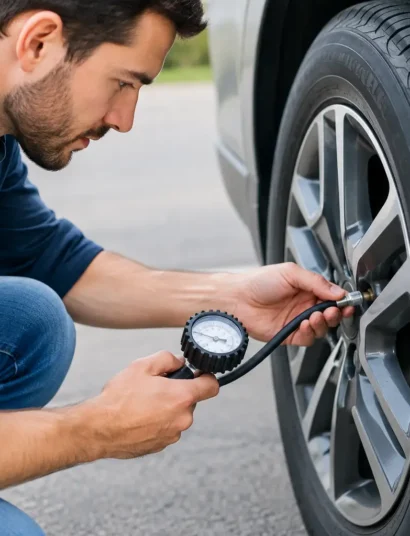
Start with a quick visual check of your tires. Look for uneven tread, cupping, bulges, or obvious low pressure. Then think about the driving changes you have noticed: Does the car bounce? Does it dive under braking? Is there a noise over bumps? These observations give a technician useful information.
Avoid delaying an inspection if the vehicle feels unstable, makes loud suspension noises, pulls suddenly, or has severe tire wear. Those symptoms may involve more than struts and deserve prompt attention. If the ride is only beginning to feel less controlled, scheduling a suspension and tire inspection now may help prevent extra wear and keep repair costs more manageable.
At Firestone1960, our team can inspect your suspension, tires, steering, and alignment to identify what is actually causing the problem. You deserve clear answers, practical recommendations, and a vehicle that feels confident on the road again.
A smooth ride is nice, but steady control is the real reason to pay attention to your struts. If your car is bouncing, dipping, swaying, or wearing tires unevenly, trust what you are feeling and have it checked before the next rough patch of road makes the issue worse.
Social Share:


No Comment Yet! You can post first response comment.