

06. 19. 2026
Can Low Oil Cause Engine Damage? Yes
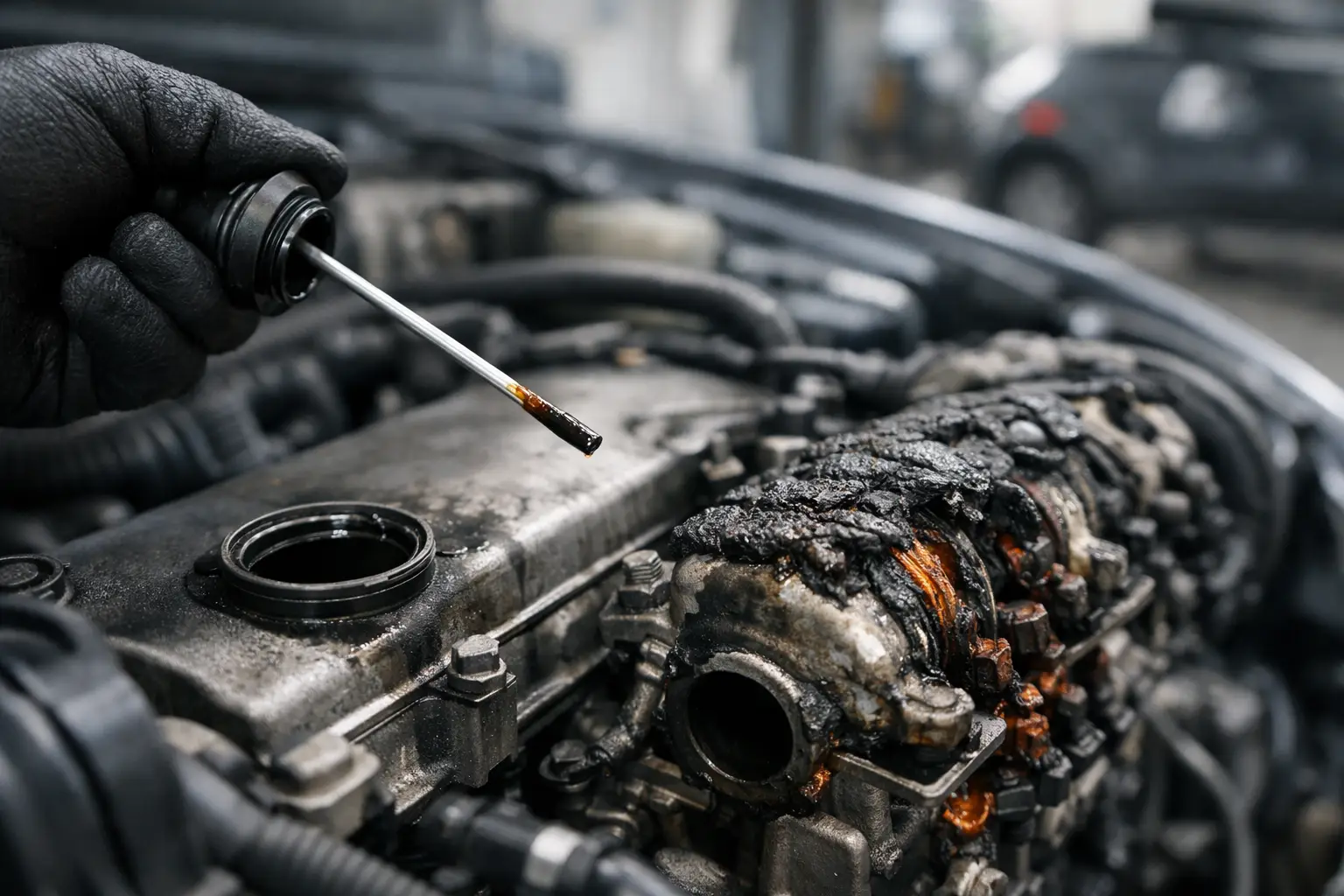
That oil light on the dash is easy to ignore when you are trying to get to work, pick up the kids, or make one more stop before heading home. But if you have ever wondered, can low oil cause engine damage, the short answer is yes – and it can happen faster than many drivers expect.
Engine oil does much more than keep parts slick. It lubricates moving components, helps carry heat away from critical areas, traps contaminants, and supports smooth engine operation under load. When the oil level drops too low, the engine starts losing that protection. At first, the damage may be minor and hard to notice. If the problem continues, it can turn into expensive repairs or even full engine failure.
Why low oil is such a serious problem
Inside your engine, metal parts move at high speed and under heavy pressure. The crankshaft, camshaft, pistons, bearings, and valve train all depend on a thin film of oil to keep them from grinding directly against each other. When there is not enough oil in the system, that protective layer breaks down.
Once that happens, friction increases. More friction means more heat, and more heat means faster wear. Bearings can start to score, internal surfaces can warp, and sludge can build up more quickly. In severe cases, the engine can seize, which usually means a major repair or replacement.
This is why low oil is not just a maintenance issue. It is a mechanical risk. A vehicle might still drive with low oil for a while, but that does not mean it is safe to keep driving.
Can low oil cause engine damage right away?
Sometimes yes, and sometimes it depends on how low the oil is and how the vehicle is being driven.
If the oil level is just a little low, the engine may still have enough circulation to avoid immediate damage. Even then, wear can increase over time, especially in hot weather, stop-and-go traffic, or long highway drives. That kind of damage tends to build gradually and show up later as noise, reduced performance, or higher oil consumption.
If the oil level is very low, damage can happen quickly. Hard acceleration, towing, idling for long periods, or driving in Houston heat can make the situation worse. The oil pump may start pulling in air instead of a steady supply of oil, which interrupts lubrication right when the engine needs it most.
So the honest answer is that low oil does not always destroy an engine instantly, but it absolutely can, and the risk rises the longer you wait.
What causes oil to get low?
For many drivers, low oil happens slowly enough that it goes unnoticed. You may not see a puddle in the driveway, and the vehicle may still feel normal. That is part of what makes it dangerous.
A common cause is simply overdue oil changes. As oil ages, it breaks down and the engine may consume more of it. Some vehicles also burn oil naturally as they get older, especially between service intervals. A small leak from a valve cover gasket, oil pan gasket, drain plug, or filter housing can also lower the level over time.
In other cases, low oil points to a larger issue. Worn piston rings, damaged seals, PCV system problems, or internal engine wear can all contribute to oil loss. If you have to keep topping off oil between changes, that is a sign worth having checked.
Warning signs your engine oil may be too low
The oil warning light is the most obvious sign, but it is not the only one. In fact, relying only on the dashboard light is risky because by the time it comes on, oil pressure may already be dangerously low.
Other warning signs include ticking or knocking noises from the engine, a hot or overheating engine, a burning oil smell, sluggish performance, or visible smoke from the exhaust. You may also notice oil spots where you park or find that the dipstick shows little to no oil during a check.
Some engines get louder when oil is low, especially during startup. Others may seem perfectly normal until the problem becomes serious. That is why routine oil checks matter, even if nothing feels wrong.
What kind of engine damage can low oil cause?
The first parts often affected are engine bearings. These components rely heavily on a steady supply of pressurized oil. When lubrication drops, bearings wear down quickly, and that can lead to knocking sounds and internal damage.
Camshafts and valvetrain components are also vulnerable. Without enough lubrication, metal-to-metal contact increases, which can wear lobes, lifters, and timing components. In some engines, timing chain tensioners depend on oil pressure too, so low oil can create timing-related issues.
Pistons and cylinder walls can suffer as well. Extra heat and friction can cause scoring, poor compression, and increased oil burning. If the engine gets hot enough, seals can harden, gaskets can fail, and warped components can create even bigger problems.
At the worst end of the scale, the engine can lock up entirely. That is the kind of breakdown no one wants because it often turns a routine maintenance issue into a major expense.
What to do if your oil is low
If you suspect low oil, the safest move is to check it as soon as possible. Park on level ground, turn the engine off, give it a few minutes to settle, and use the dipstick to confirm the level. If it is low, add the correct type and amount of oil listed for your vehicle.
If the oil warning light is on and the engine is making noise, overheating, or running poorly, do not keep driving unless you absolutely have to. Continuing to drive in that condition can turn a manageable repair into severe engine damage. It is better to stop, check the level, and have the vehicle looked at.
If you add oil and the level keeps dropping, there is likely a leak or consumption issue that needs attention. Topping it off may help in the moment, but it does not fix the root cause.
How often should you check your oil?
For most drivers, checking the oil once a month is a smart habit. It only takes a few minutes and can help catch a problem early. If your vehicle is older, has high mileage, or has a history of burning oil, check it more often.
This matters even more if you do a lot of commuting, sit in traffic regularly, or take frequent road trips. Heavy use puts more stress on the engine, and that makes oil condition and level even more important.
Routine oil changes matter too, of course. Fresh oil protects better, flows better, and helps your engine last longer. But even between oil changes, the level still needs to be monitored.
Can low oil damage be prevented?
Most of the time, yes. Prevention is usually straightforward and far less expensive than repair.
Stay on schedule with oil changes, use the correct oil grade, and pay attention to how your vehicle sounds and feels. If your car starts using oil faster than normal, have it inspected before it turns into a bigger issue. A small leak or minor consumption problem is usually much easier to deal with than a damaged engine.
For local drivers who want honest answers without the runaround, a trusted neighborhood shop can check for leaks, inspect oil-related components, and help you stay ahead of wear. At Firestone1960, that kind of practical maintenance is exactly what keeps everyday vehicles dependable.
When low oil means you should get service right away
There are times when this should move to the top of your to-do list. If the oil light stays on, the engine knocks, you smell burning oil, or the vehicle starts overheating, get it checked as soon as possible. Those are not symptoms to monitor for another week.
Even if the car still runs, the damage may already be starting. The sooner the issue is diagnosed, the better the chance of avoiding major repairs. That could mean finding a simple leak, correcting an oil consumption issue, or just getting overdue maintenance handled before it causes trouble.
A healthy engine depends on clean oil at the right level. It is one of the simplest things to maintain, but it protects some of the most expensive parts of your vehicle. If your car is due for service or showing signs of low oil, taking care of it now is one of the smartest ways to keep it reliable for the road ahead.
Social Share:





No Comment Yet! You can post first response comment.