

06. 23. 2026
How to Pass Vehicle Inspection
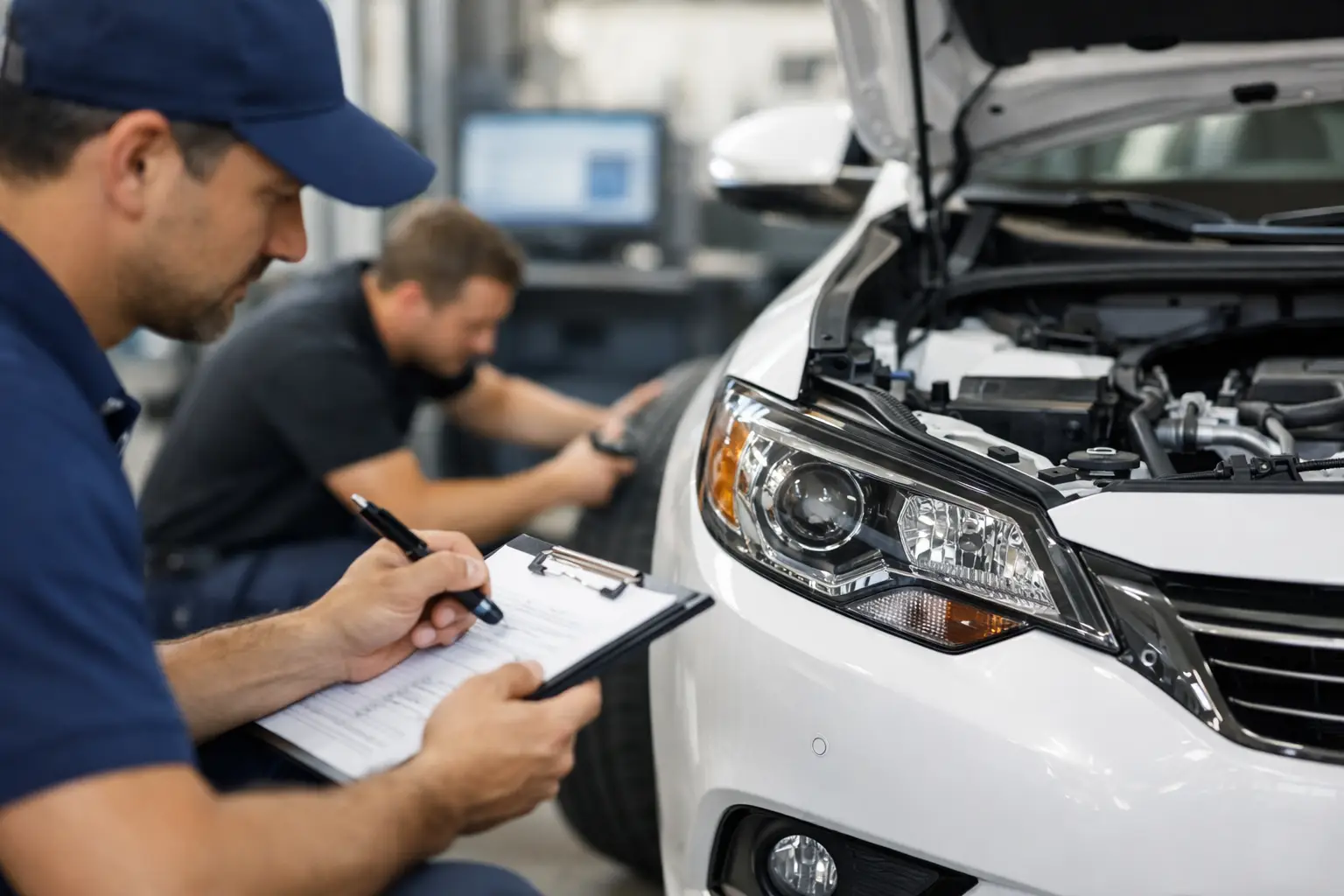
Nothing is more frustrating than pulling into an inspection station, expecting a quick visit, and leaving with a failed sticker over something small like a burned-out bulb or worn wiper blades. If you are wondering how to pass vehicle inspection without surprises, the good news is that most failures are preventable with a little preparation.
For drivers around Houston and nearby communities, inspections can feel like one more errand on an already packed schedule. But this is one of those tasks that gets much easier when you know what technicians are looking for. A pre-check at home can save time, stress, and the cost of a reinspection.
How to pass vehicle inspection before test day
The easiest way to improve your odds is to think like an inspector before you ever arrive. Vehicle inspections are designed to confirm that your car is safe to drive and, in many cases, that it meets emissions requirements. That means the focus is usually on the systems that affect visibility, braking, handling, and basic road safety.
Start with the simple items first. Turn on your headlights, high beams, brake lights, reverse lights, parking lights, and turn signals. If you have someone nearby, ask them to stand behind the vehicle while you press the brake pedal. Many drivers do not realize they have a bad bulb until inspection day.
Next, pay attention to your windshield and glass. Small chips may not be a problem, but large cracks in the driver’s line of sight can be. Wiper blades should clear the windshield well without streaking or tearing. If they chatter, skip, or leave heavy smears, replacing them is a low-cost fix that can make a difference.
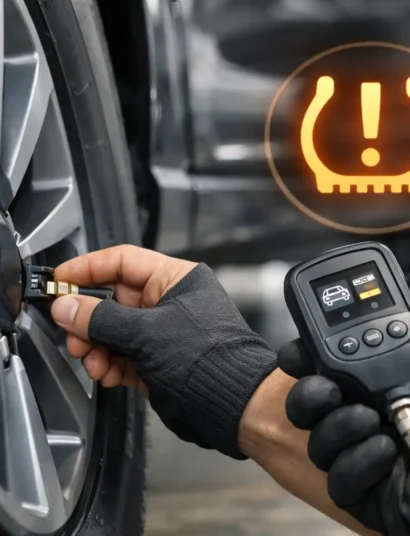
Your tires matter more than many people expect. Inspectors are looking for adequate tread depth and generally safe tire condition. Bald spots, cords showing, or severe sidewall damage can all cause trouble. Uneven wear can also point to alignment or suspension issues, which may not fail every inspection but should not be ignored.
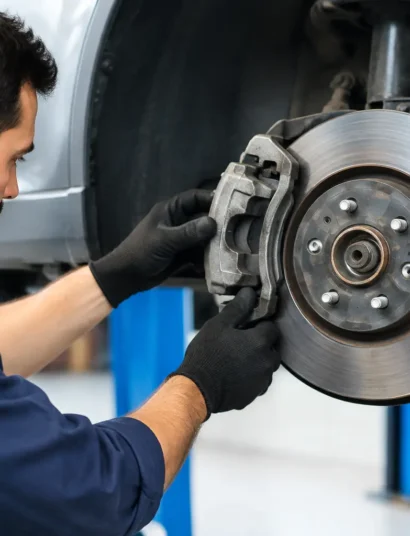
Brakes are another major factor. If your car pulls when stopping, grinds, squeals loudly, or has a soft brake pedal, get it checked before inspection. A brake warning light on the dash can be enough to raise concern, and obvious brake problems are not something to gamble on.
The most common reasons vehicles fail inspection
Most failed inspections are not caused by major engine problems. More often, it is the little things drivers put off because the car still seems to run fine. A check engine light is one of the biggest examples. If that light is on, there is a good chance your vehicle will not pass an emissions-related inspection.
The tricky part is that a check engine light does not always mean your car is in immediate danger. It could be a loose gas cap, a faulty sensor, or a larger emissions issue. Still, inspection stations do not judge the inconvenience level of the problem. If the system reports a fault, that can be enough to fail.
Other common issues include worn tires, nonworking lights, cracked windshields, damaged mirrors, weak parking brakes, and horn problems. Even a missing license plate light can create a problem. That is why a basic walkaround before your appointment is worth the effort.
There is also the paperwork side. Make sure your registration, insurance, and any other required documents are current and easy to access. Mechanical condition is only part of the process.
What to check if the check engine light is on
If your check engine light is on, do not assume it will somehow clear itself on the way to the station. It usually will not. Have the codes read and diagnosed first so you know whether the issue is minor, emissions-related, or part of a larger repair.
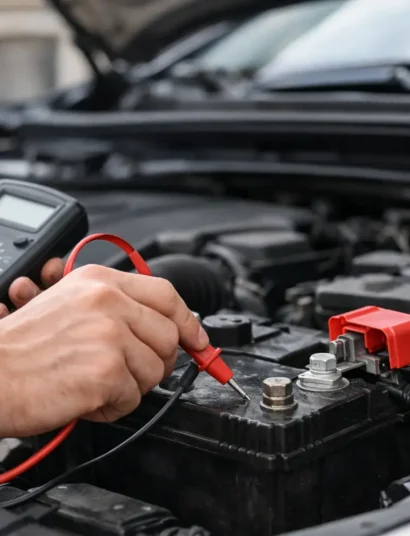
One mistake drivers make is disconnecting the battery to turn the light off. That might clear the warning temporarily, but it can also reset the vehicle’s readiness monitors. If those monitors have not completed their self-tests by inspection time, your car may still not pass. This is one of those situations where a shortcut can cost more time than it saves.
A proper diagnosis matters because it tells you what actually needs attention. Sometimes the repair is simple and affordable. Other times, there are trade-offs. If the car is older, you may need to decide whether to repair it now, make only the necessary corrections, or plan for broader maintenance.
How tires, brakes, and suspension affect inspection results
Drivers often focus on lights and dashboard warnings, but ride quality issues can point to inspection problems too. If your steering wheel shakes, the vehicle drifts, or the ride feels unstable, there may be a tire, alignment, or suspension concern in the background.
A tire with enough tread can still be unsafe if it has a bubble in the sidewall or serious irregular wear. Likewise, brakes may technically stop the car, but severe wear or obvious damage can still become an issue. Suspension wear is similar. Not every worn component causes an immediate failure, but if the condition affects safe operation, it deserves attention before the test.
This is where a professional pre-inspection can help. A shop can often catch things the average driver may miss, especially if the vehicle has been making noises for weeks and you have gotten used to them.
How to pass vehicle inspection with an older car
Older vehicles can still pass inspection reliably, but they usually need a little more attention ahead of time. Rubber parts wear out, sensors age, and small leaks or electrical issues become more common. That does not mean the car is unreliable. It just means preventive maintenance matters more.
If your car is ten years old or older, give yourself extra time before your inspection deadline. Do not wait until the last day, especially if you already know the tires are marginal or the check engine light has come on before. Older cars are more likely to need at least one repair or adjustment.
It also helps to be realistic. If your vehicle has multiple warning signs at once, like poor braking, uneven tire wear, and a warning light on the dash, trying to squeeze through inspection without repairs usually backfires. Address the obvious issues first. It is almost always cheaper than dealing with a failed inspection, reinspection, and a rushed repair.
A smart pre-inspection routine for busy drivers
For most people, the best approach is simple. Check your lights, tires, windshield, wipers, mirrors, horn, and dashboard warning lights a few days before the appointment. Drive the vehicle enough that it reaches normal operating temperature, especially if emissions testing applies. Make sure your gas cap is tight and your documents are current.
If anything seems off, handle it before inspection day. A quick bulb replacement is easy. A brake issue, tire concern, or engine light deserves professional attention. Waiting rarely helps.
For local drivers who depend on one vehicle for work, school runs, and daily errands, convenience matters. That is why many people choose to have a trusted shop look things over first instead of rolling the dice. At Firestone1960, that kind of preventive approach fits how we believe auto care should work – honest answers, practical repairs, and no unnecessary pressure.
When a failed inspection is actually helpful
Nobody wants to fail, but sometimes an inspection catches a safety issue before it becomes a roadside problem. A weak brake system, bad tire, or hidden lighting issue may not seem urgent until weather, traffic, or a long commute puts extra stress on the car.
That is why it helps to see inspection prep as part of basic vehicle care, not just a state requirement. A passing result is the goal, but the bigger win is knowing your vehicle is safer and more dependable for the miles ahead.
If you want the process to go smoothly, give yourself time, check the basics, and do not ignore warning signs your car has already been giving you. A little attention now can save a failed inspection later, and more importantly, help you drive away with confidence.
Social Share:


No Comment Yet! You can post first response comment.