

07. 7. 2026
Tire Pressure Monitoring Reset Explained
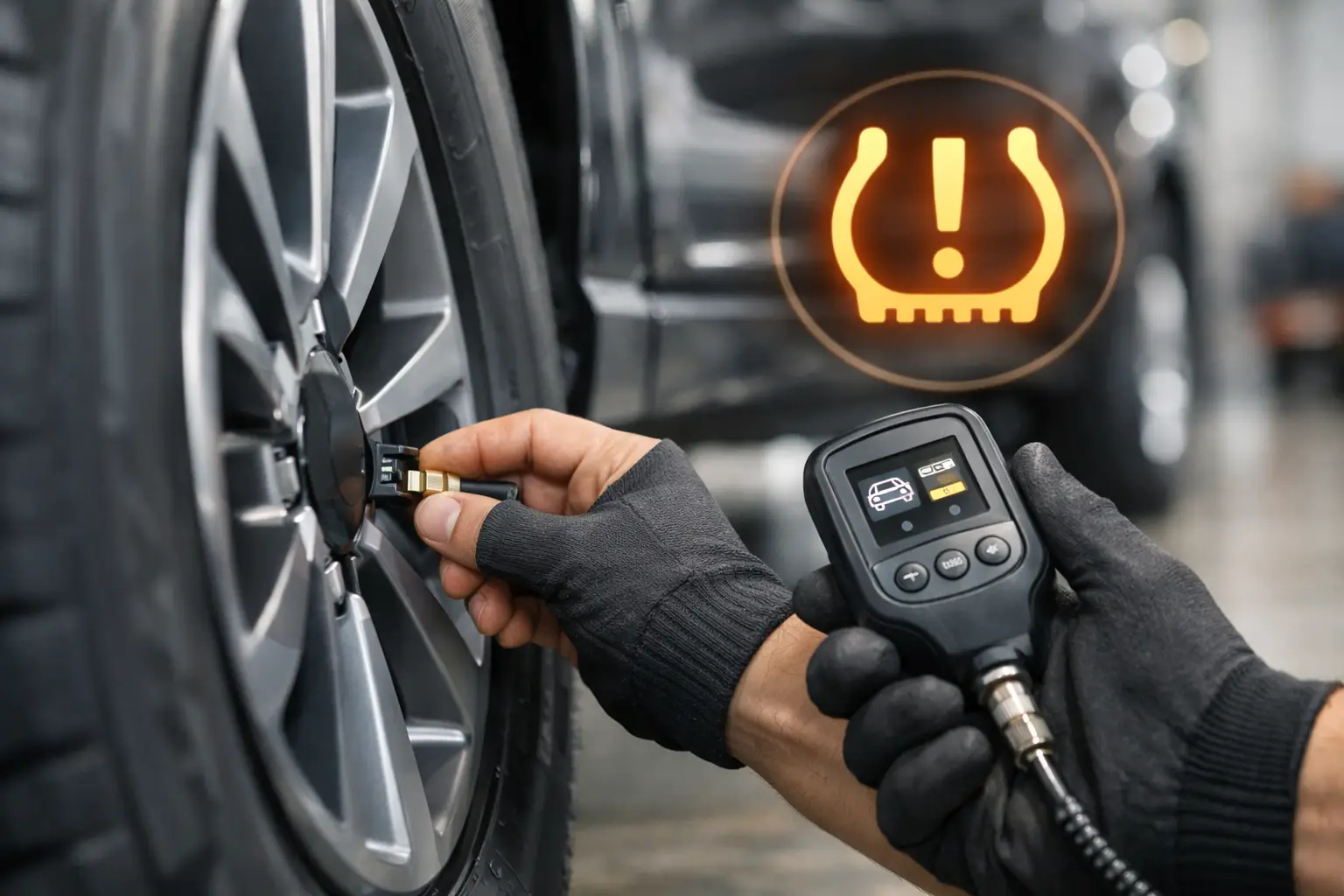
You top off a low tire, start the car, and the warning light is still staring back at you. That is usually when drivers start searching for a tire pressure monitoring reset. Sometimes the system just needs a reset after air is added. Other times, that light is telling you something more than a simple pressure change.
A TPMS warning is easy to ignore when the vehicle still feels normal, but it is there for a reason. Tire pressure affects braking, handling, tire wear, fuel economy, and overall safety. If the warning stays on after you have checked and adjusted the tires, the next step is understanding whether the system needs to be reset or diagnosed.
What a tire pressure monitoring reset actually does
Your TPMS, or tire pressure monitoring system, tracks pressure readings from each tire or monitors wheel speed to detect pressure loss. When the system sees a tire outside the expected range, it turns on the warning light.
A tire pressure monitoring reset tells the vehicle to recognize the current tire pressures as the new baseline, or it prompts the system to relearn sensor positions depending on the make and model. On some vehicles, this is a simple button press. On others, it requires driving procedures, an onboard menu reset, or a scan tool.
That is why there is no single reset method that works for every car, truck, or SUV. The system design matters. The year, make, and model matter. Even something as routine as rotating tires can change what the vehicle needs to relearn.
Why the TPMS light stays on after adding air
This is where many drivers get frustrated. They fix the obvious issue, but the light stays on anyway. In some cases, the problem is timing. The vehicle may need a few minutes of driving before the system updates. In other cases, one tire may still be a few pounds off from the recommended pressure listed on the driver door sticker.
Temperature also plays a role. A cold morning in Houston can drop tire pressure enough to trigger the light, and then warmer afternoon temperatures may change the reading again. If the tires were adjusted when they were hot from driving, the pressure may not actually be correct once they cool down.
Then there are the more mechanical causes. A sensor battery may be weak. A sensor may have been damaged during tire service. A wheel replacement or tire rotation may have left the system needing a relearn procedure. If the light flashes first and then stays on, that often points to a system fault instead of low air pressure.
When a tire pressure monitoring reset is the right move
A reset is often appropriate after correcting tire pressure, rotating tires, replacing a sensor, or installing new tires. It can also be needed after some battery disconnects or certain repair procedures that interrupt vehicle memory.
Still, a reset should not be used to cover up an active problem. If a tire keeps losing air, the issue is not the warning light. It is the leak. If a sensor has failed, the answer is not repeated resets. It is replacing the faulty part and making sure the system communicates correctly again.
That distinction matters because a TPMS warning is only useful if the system is working as intended. A reset is helpful when the system needs to recognize a completed correction. It is not a substitute for tire repair or diagnosis.
Common ways to reset the TPMS
Some vehicles have a dedicated TPMS reset button, usually under the dash or in the glove box area. Others let you reset the system through the instrument cluster menu or infotainment screen. You may see options like Tire Reset, TPMS Calibration, or Set Pressure.
Some models require a drive cycle after pressures are set correctly. That may mean driving at a certain speed for several minutes so the system can relearn. Other vehicles, especially those with direct TPMS sensors in each wheel, may need a relearn tool to register sensor positions.
The challenge is that using the wrong procedure can waste time and still leave the light on. If you are not working from the correct instructions for your exact vehicle, it is easy to think the system is broken when it simply has not been reset the right way.
Before you try a reset
Start with the basics. Check all four tires when they are cold, and do not forget the spare if your vehicle uses TPMS on the spare. Inflate each tire to the manufacturer specification on the driver door placard, not the maximum pressure listed on the tire sidewall.
Look closely for uneven wear, visible punctures, or one tire that is consistently lower than the others. If one tire is down more than the rest, there is a good chance you are dealing with a leak instead of a reset issue.
If you recently had tire work done, keep that in mind too. New tires, wheel swaps, and rotations are common times for sensor relearn issues to show up.
DIY reset or shop visit?
For some drivers, a tire pressure monitoring reset is a quick driveway fix. If your owner’s manual outlines a clear procedure and the light came on because of a known pressure change, it may be straightforward.
But there is a trade-off. TPMS systems are not all equally simple, and guessing can lead to more confusion. If the light returns after a reset, flashes when the car starts, or stays on even with correct pressure, that usually means you are past the do-it-yourself stage.
A shop can verify actual tire pressures, inspect for slow leaks, test the sensors, and confirm whether the system is receiving the right signal. That matters because replacing the wrong sensor or ignoring a damaged tire costs more in the long run.
Signs the issue is more than a reset
A steady light usually points to low pressure, but not always. A flashing TPMS light that becomes solid often suggests a system malfunction. That could mean a dead sensor battery, sensor communication issue, or a fault in the control module.
You may also have a bigger issue if the warning keeps returning after you add air. Tires do not lose significant pressure for no reason. Nail punctures, bead leaks, valve stem issues, and wheel damage are all common causes.
Another red flag is when the system shows the wrong tire location after a rotation. That can happen when sensor IDs were not relearned. It may not sound serious, but it defeats the purpose of the warning system if the dashboard points you to the wrong wheel.
How long TPMS sensors last
Most direct TPMS sensors are battery-powered, and those batteries do not last forever. A typical life span is around 5 to 10 years, depending on driving habits and conditions. Once the battery weakens, the sensor usually has to be replaced as a complete unit.
That is why TPMS problems tend to show up more often as vehicles age. It is not unusual for one sensor to fail first and the others to follow over time. In some cases, it makes sense to replace all of them together during tire service. In other cases, replacing only the failed sensor is the more budget-friendly choice. It depends on the vehicle, the age of the sensors, and how long you plan to keep the car.
Why this matters for safety and tire life
A lot of drivers think of TPMS as just another dashboard annoyance, but proper tire pressure affects much more than warning lights. Underinflated tires can wear faster on the edges, run hotter, and reduce fuel efficiency. They can also change how your vehicle responds in sudden stops or quick lane changes.
Overinflated tires have their own problems. They can create a harsher ride, reduce the tire’s contact patch, and wear the center tread faster. The goal is not just making the light turn off. The goal is keeping the tires at the pressure your vehicle was designed to run.
That is one reason routine tire checks still matter, even with modern monitoring systems. TPMS is a useful safety backup, but it is not a replacement for regular maintenance.
Getting the reset and the diagnosis right
When a tire pressure monitoring reset works, it should restore the system after the real issue has been corrected. When it does not, the next step should be proper testing, not repeated guesswork. The best outcome is not simply clearing a light. It is knowing your tires, sensors, and warning system are all doing their job.
At Firestone1960, that is how we approach it – straightforward answers, accurate diagnostics, and repairs that make sense for how you use your vehicle every day. If your TPMS light keeps coming back, treat it like the early warning it is. A little attention now can save you from tire damage, uneven wear, or a roadside headache later.
Social Share:




No Comment Yet! You can post first response comment.