

07. 4. 2026
Engine Diagnostic Scanner Review for Drivers
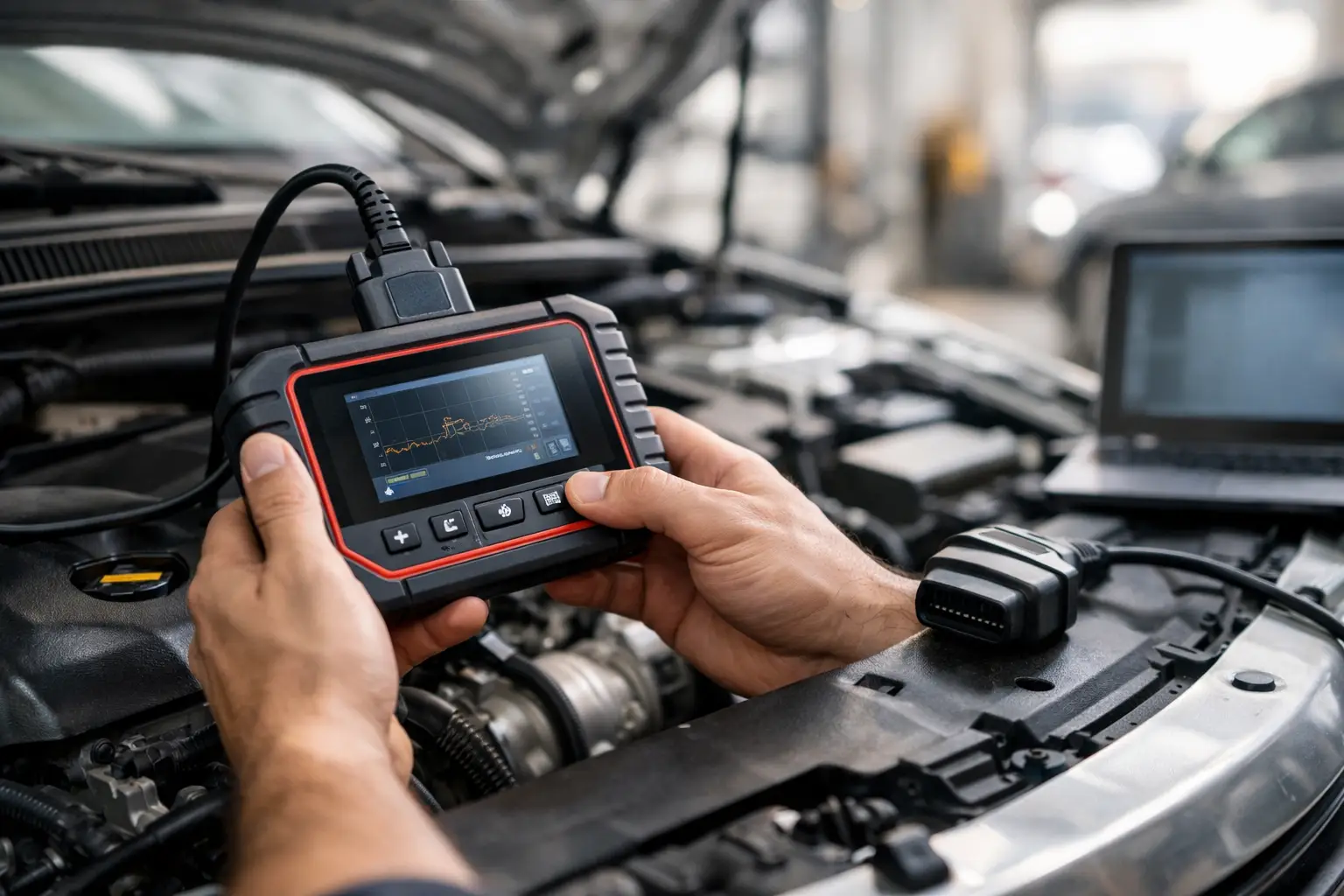
That check engine light has a way of showing up at the worst possible time – on the way to work, before a road trip, or right after payday. An engine diagnostic scanner review can help you understand what these tools actually do, what they miss, and whether buying one makes sense for your vehicle and your budget.
For many drivers, a scanner feels like a shortcut to answers. Plug it in, read a code, and know what is wrong. Sometimes it works that way. More often, it gives you part of the story, not the whole story. That difference matters if you are trying to avoid wasting money on parts you do not need.
Engine diagnostic scanner review: what these tools do well
At the most basic level, an engine diagnostic scanner communicates with your vehicle’s onboard computer system. When the system detects a problem, it stores a diagnostic trouble code. A scanner reads that code and gives you a starting point.
That starting point can be genuinely useful. If your gas cap is loose, an oxygen sensor is acting up, or the system detects a cylinder misfire, a scanner can point you in the right direction quickly. For drivers who like to stay ahead of problems, even a basic code reader can provide peace of mind.
Modern scanners can do more than pull generic check engine codes. Mid-range and advanced tools may show live data, freeze frame information, readiness monitors, and manufacturer-specific codes. That means you can sometimes see how the engine was performing when the fault happened, which can make diagnosis faster.
For a shop, scanner data is one part of a larger process. For a vehicle owner, the value depends on expectations. If you want a quick look at why the warning light came on, a scanner may be worth having. If you expect it to replace hands-on testing by an experienced technician, that is where problems start.
Not all scanners are built for the same driver
The biggest mistake people make in an engine diagnostic scanner review is treating every scanner like it serves the same purpose. It does not. There is a major difference between a simple consumer code reader and a professional-grade scan tool.
A basic code reader usually reads and clears generic powertrain codes. It is affordable, easy to use, and often enough for someone who just wants to know why the check engine light came on. The trade-off is limited detail. It may not read ABS, airbag, transmission, or body control system codes.
A mid-level scanner gives more information and often covers more vehicle systems. It may include live sensor data, battery testing support, emissions readiness, and some service functions. For a serious DIY owner, this is usually the sweet spot.
Professional scan tools go much further. They can access deeper vehicle systems, run active tests, perform relearns, and provide bidirectional controls. Those tools are expensive for a reason. They are designed for trained technicians who know how to interpret the data and use it alongside electrical testing, visual inspection, and service information.
That is why the best scanner for one driver may be the wrong scanner for another. If you own one vehicle and mainly want basic code information, buying the most advanced tool on the market may not be practical. On the other hand, buying the cheapest option available can leave you with very limited answers.
What a scanner can tell you – and what it cannot
This is where a lot of frustration starts. A scanner reads codes. It does not always tell you the failed part.
Take a code related to an oxygen sensor. Many people assume they need a new oxygen sensor right away. Sometimes they do. Sometimes the real issue is wiring damage, an exhaust leak, a fuel delivery problem, or another condition causing the sensor to report unusual readings. Replacing the sensor without confirming the cause can turn into guesswork.
The same goes for misfire codes. A scanner may identify which cylinder is misfiring, but that does not mean the spark plug is automatically to blame. It could be an ignition coil, injector problem, vacuum leak, compression issue, or internal engine condition.
That is the main limit of scanner ownership. It gives clues, not always conclusions. For drivers trying to save money, that is worth remembering. The code is useful. The interpretation is where experience matters.
Features worth paying for in an engine diagnostic scanner review
If you are comparing tools, look beyond the marketing language. The most useful features are usually the ones that help you make sense of the problem instead of just reading a number off the screen.
Live data matters because it shows what sensors are doing in real time. Freeze frame data helps because it captures operating conditions when the code set. Readiness monitors are helpful if you are preparing for a state inspection or emissions check. VIN auto-detect can save time and reduce mistakes.
Vehicle coverage is another big one. Some scanners work well on domestic vehicles but offer weaker support for imports, hybrids, or newer models. Before buying, it is smart to check compatibility with your specific year, make, and model.
Update support also matters. Cars keep changing, and a tool that cannot stay current may become less useful over time. Some scanners require paid updates, while others include them for a limited period. That cost can affect the long-term value more than the sticker price.
Ease of use should not be overlooked either. A scanner can have every feature on paper, but if the menus are confusing or the data is hard to read, most everyday drivers will not get much benefit from it.
When buying a scanner makes sense
A scanner can be a smart purchase if you own older vehicles, do your own maintenance, or simply want a better understanding of your car before coming into a shop. It can also help if you want to monitor recurring issues, check whether a repair solved a problem, or see if the vehicle is ready for inspection after the battery has been disconnected.
For households with multiple cars, the value goes up. Even a modestly priced scanner can pay for itself over time if it helps you catch a small issue early or avoid unnecessary parts swapping.
There is also peace of mind in knowing whether a warning light points to something minor or something that needs immediate attention. That said, peace of mind should not become false confidence. If the vehicle is running rough, stalling, overheating, or showing multiple warning lights, a scanner reading alone is not enough.
When a shop diagnosis is the better move
There are times when a professional diagnosis saves time and money, even if you already have a scanner at home. If the same code keeps returning, if the problem only happens under certain conditions, or if several systems are involved, proper testing becomes more important than code reading.
Electrical issues are a good example. A scanner might show a communication fault or sensor issue, but tracking down the cause may require wiring diagrams, voltage drop testing, smoke testing, or component activation. Those are shop-level tasks.
Intermittent problems are another challenge. A vehicle may behave normally in the driveway and act up only during acceleration, in wet weather, or after warming up. That is where technician experience and proper equipment make a real difference.
At Firestone1960, we see this often with check engine lights that led drivers to replace a part on their own, only to find the original problem was somewhere else. There is nothing wrong with wanting to be informed. In fact, that is a good thing. The key is knowing when information becomes diagnosis and when it does not.
A practical recommendation for everyday drivers
If you want a scanner for your own vehicle, keep your goal simple. Buy one that reads and clears codes, shows live data, and works reliably with your make and model. That will cover the needs of most drivers without overspending on features they may never use.
Do not buy based only on the number of functions listed on the box. Buy based on whether the tool helps you understand your vehicle and whether the information is clear enough to act on responsibly. A scanner that gives useful, readable data is better than one packed with features you will never touch.
And if the car is showing serious symptoms, trust what the vehicle is telling you. Warning lights, strange noises, poor performance, and repeated faults deserve more than a quick code check.
The best use of a scanner is not pretending to be your own technician. It is becoming a more informed vehicle owner, asking better questions, and making smarter decisions before a small issue turns into a bigger repair bill.
Social Share:





No Comment Yet! You can post first response comment.