

07. 21. 2026
How to Know Engine Misfire Symptoms Early
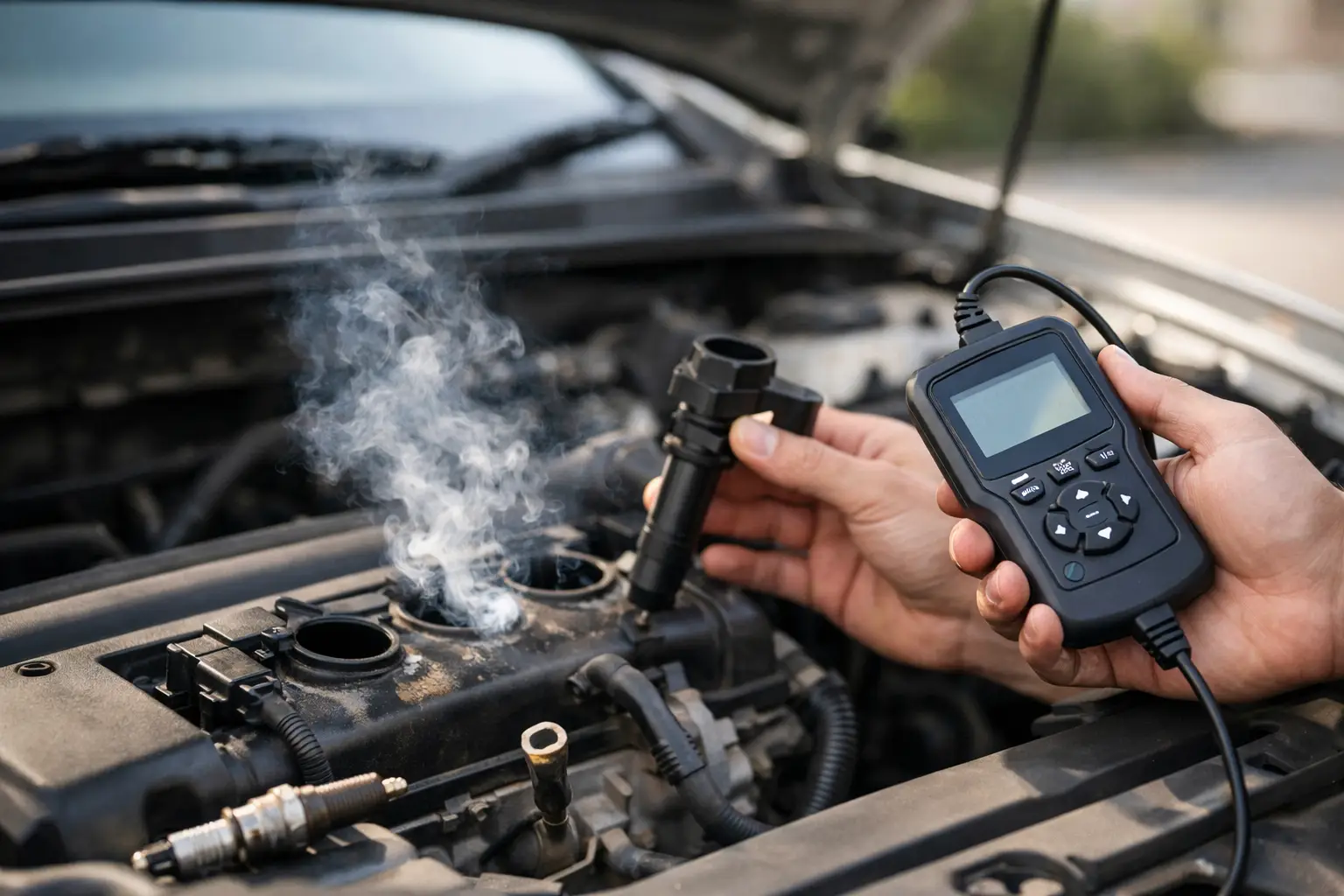
A misfire rarely starts with a dramatic breakdown. More often, it begins at a stoplight with an idle that feels a little uneven, a hesitation when you accelerate onto the freeway, or a check engine light that was not there yesterday. Knowing how to know engine misfire symptoms early can help you avoid wasted fuel, poor performance, and damage to more expensive engine components.
An engine needs the right mix of air, fuel, compression, and spark in each cylinder. When one cylinder does not fire correctly, the engine loses power for that moment. It may recover quickly, happen only under acceleration, or become constant. The sooner the cause is diagnosed, the better the chance of keeping the repair straightforward.
What an Engine Misfire Feels Like Behind the Wheel
A misfire can feel different depending on the vehicle, the engine, and the reason it is happening. Some drivers notice a clear shaking sensation. Others only realize something is wrong when fuel economy drops or the vehicle feels slower than usual.
At idle, a misfiring engine may rumble, vibrate, or sound uneven. You might feel the steering wheel, seat, or dashboard shake more than normal while waiting in traffic. The engine speed may rise and fall slightly instead of holding steady.
When driving, the most common feeling is hesitation. Pressing the gas pedal may produce a stumble before the vehicle picks up speed. In more serious cases, the car can jerk, surge, or feel as if it is briefly losing power. This is especially noticeable when merging, climbing an overpass, carrying passengers or cargo, or running the air conditioning during a Houston summer.
A misfire does not always mean the vehicle will stall. Still, if the engine is shaking heavily, struggling to accelerate, or losing power in traffic, it should be inspected promptly rather than driven as usual.
How to Know Engine Misfire Symptoms From Warning Signs
The check engine light is one of the clearest signs that the vehicle’s computer has detected an engine problem. A steady check engine light can point to many issues, including a minor or intermittent misfire. A flashing check engine light is more urgent.
When the light flashes, the engine may be misfiring badly enough to send unburned fuel into the exhaust system. That fuel can overheat and damage the catalytic converter, which is a costly repair. Reduce speed, avoid hard acceleration, and arrange for a diagnostic inspection as soon as it is safe to do so.
Other signs that often appear with a misfire include:
- Rough or shaky idling at a stop
- Sluggish acceleration, stumbling, or jerking under load
- Reduced gas mileage without another obvious explanation
- A popping sound from the engine or exhaust
- A gasoline smell around the vehicle
- Hard starting, extended cranking, or occasional stalling
These symptoms can also be caused by other concerns, so they are not a substitute for professional testing. For example, a rough idle could come from a vacuum leak, dirty throttle body, fuel delivery problem, or a worn engine mount. The goal is not to guess at parts. It is to identify the actual cause before the problem grows.
Common Reasons an Engine Starts Misfiring
Spark plugs are a frequent source of misfires. Plugs wear over time, and their electrodes can become too worn to create a consistent spark. A damaged ignition coil, aging spark plug wire on older vehicles, or a poor electrical connection can create the same result.
Fuel-related issues are another possibility. A clogged or failing fuel injector may not deliver enough fuel to one cylinder. Low fuel pressure, contaminated fuel, or a weak fuel pump can affect multiple cylinders, often making the vehicle feel especially weak during acceleration.
Air leaks can cause trouble as well. If extra air enters the engine through a cracked hose, worn intake gasket, or other leak, the air-fuel mixture may be too lean for reliable combustion. On modern vehicles, sensor issues involving airflow, oxygen, crankshaft position, or camshaft position can also lead to misfire-related trouble codes.
Then there are mechanical causes. Low compression from a leaking valve, worn piston rings, timing concerns, or a head gasket problem can prevent a cylinder from firing properly. These repairs may be more involved, but a proper diagnostic process helps separate a simple ignition issue from a deeper engine concern.
When the Problem Happens Matters
Paying attention to when you notice the symptom can give your technician useful information. A misfire that is strongest at idle may have a different cause than one that only happens while accelerating. A concern that appears after a cold start can differ from one that begins after the engine has fully warmed up.
For example, a worn spark plug or weak coil may act up most under hard acceleration because the ignition system needs more voltage under load. A vacuum leak may be more noticeable at idle. An injector issue may cause a persistent roughness and reduced fuel economy. These are patterns, not guarantees, but they help guide efficient testing.
If possible, make a quick note of the conditions. Did the issue begin after filling up with fuel? Does it happen only when the engine is cold? Is the check engine light steady or flashing? Does the vehicle shake in Drive but smooth out in Park? Clear details can save time and help the shop pinpoint the issue faster.
Why You Should Not Ignore a Misfire
It is tempting to keep driving when a vehicle still starts and moves normally most of the time. But a misfire places stress on parts that were not designed to handle incomplete combustion. Unburned fuel can harm the catalytic converter. Ongoing rough operation can affect engine mounts and make the vehicle less dependable when you need it most.
There is also a safety and comfort factor. Hesitation when entering traffic or passing another vehicle can be more than frustrating. It can leave you without the response you expect from the gas pedal. Families, commuters, and drivers who depend on their vehicle every day should treat a noticeable performance change as a reason to schedule service.
The cost of waiting depends on the cause. Replacing worn spark plugs early is typically far less involved than replacing a catalytic converter damaged by an ongoing severe misfire. On the other hand, not every rough-running issue needs a major repair. That is why an accurate diagnosis matters before approving any work.
What a Professional Misfire Diagnosis Includes
A reliable diagnosis starts with listening to the driver’s concern and checking the vehicle for stored diagnostic trouble codes. Those codes can identify the affected cylinder or show whether the issue is random or occurring across multiple cylinders. They do not automatically identify the failed part, but they give technicians a useful starting point.
From there, a technician may inspect the spark plugs, ignition coils, wiring, air intake system, fuel system, and engine sensors. Testing may include checking live engine data, fuel pressure, injector operation, spark quality, and compression. The right steps depend on the vehicle and the symptoms.
At Firestone1960, the goal is to explain what testing found in plain language, recommend the repair that addresses the problem, and help you understand which service is urgent and which maintenance can be planned. Honest diagnostics help prevent the frustration of replacing parts without fixing the real issue.
What to Do Before Your Appointment
If the check engine light is flashing or the engine is running very rough, avoid unnecessary driving and do not continue pushing the vehicle under heavy acceleration. If you smell strong fuel, experience severe power loss, or the vehicle stalls repeatedly, arrange safe transportation rather than taking chances on the road.
For a steady check engine light and mild symptoms, schedule a diagnostic visit soon. Avoid disconnecting the battery or clearing codes before the appointment unless instructed to do so. Clearing the information can make an intermittent misfire harder to trace.
Your vehicle is usually telling you something before a small issue becomes a major interruption. If it shakes at idle, hesitates under acceleration, or turns on the check engine light, give it the attention it deserves. A timely inspection can restore a smoother ride, protect your engine, and help you get back to the road with confidence.
Social Share:



No Comment Yet! You can post first response comment.