

10. 9. 2026
Best Brake Service Warning Signs to Watch For
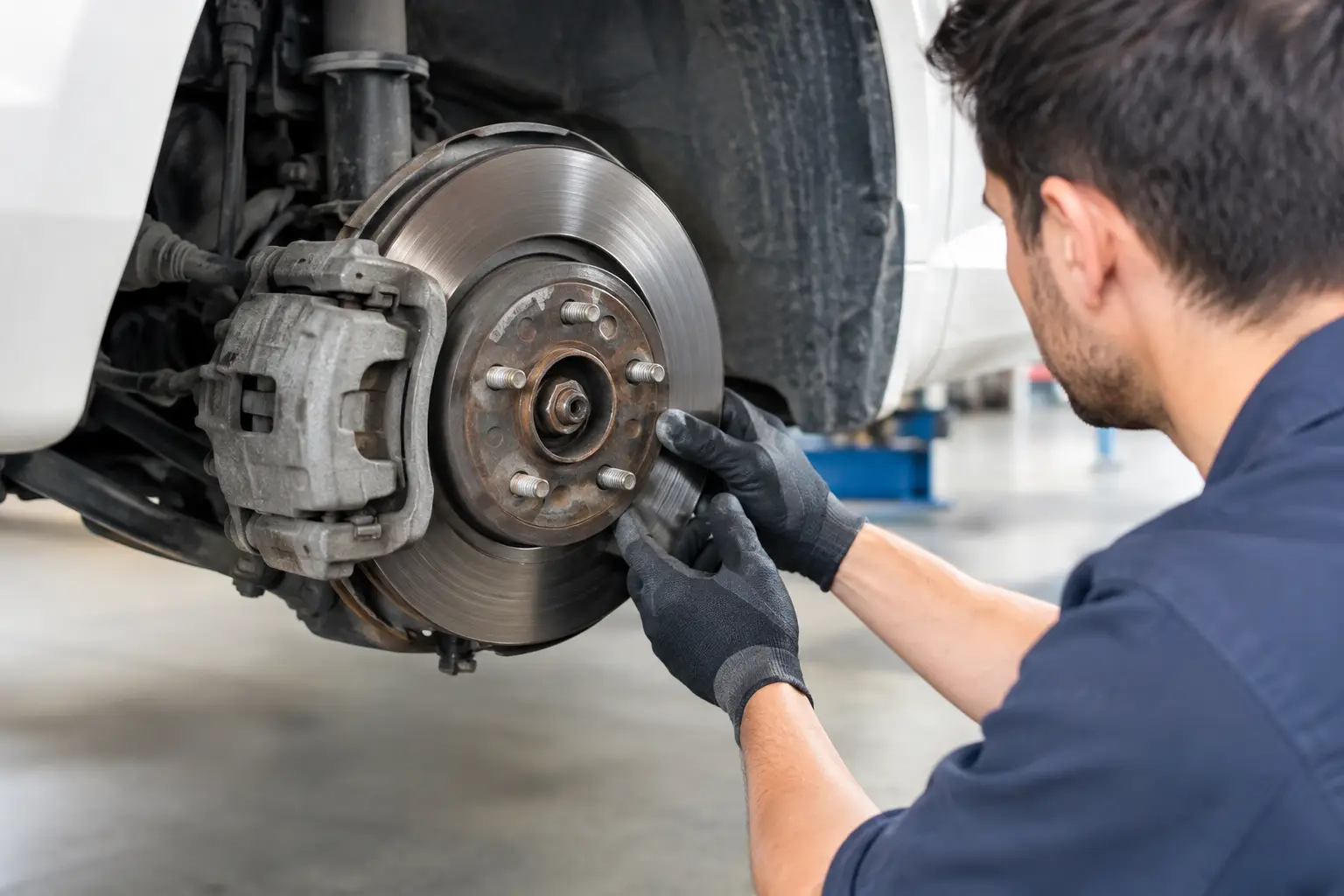
That quick squeal at the school drop-off, a steering wheel that shakes on Beltway traffic, or a brake pedal that suddenly feels different should not be brushed off as normal wear. Knowing the best brake service warning signs helps you act before a small repair becomes a longer stopping distance, damaged parts, or an unsafe drive for your family.
Your braking system works as a team. Brake pads create friction against rotors, brake fluid transfers pressure from your foot to the brakes, and calipers apply the force that slows the vehicle. When one part begins to wear or fail, your car usually gives you a clue. The key is knowing which clues need prompt attention and which ones mean you should stop driving and arrange service right away.
Best Brake Service Warning Signs You Should Not Ignore
Squealing, scraping, or grinding noises
A high-pitched squeal when you apply the brakes often means the pads are wearing down. Many brake pads include a small wear indicator designed to make noise when the friction material becomes thin. It is a useful early warning, not something to wait out.
Grinding is more serious. It can mean the pad material has worn away and metal is contacting the rotor. Continuing to drive may turn a straightforward pad replacement into a repair that also requires new rotors and possibly caliper work. If your brakes grind, schedule an inspection as soon as possible and avoid unnecessary driving.
Not every brake noise means immediate failure. Light surface rust can form on rotors after rain, a car wash, or a humid Houston morning, and it may clear after a few normal stops. Noise that continues, gets louder, or happens during regular braking deserves a professional look.
A soft, spongy, or sinking brake pedal
Your brake pedal should feel firm and predictable. If it feels spongy, travels much farther than usual, or slowly sinks toward the floor while you hold pressure at a stop, the system may have air in the brake lines, low brake fluid, or a hydraulic problem.
This is not a symptom to monitor for a few weeks. Hydraulic brake concerns can affect how quickly your vehicle stops. If the pedal feels unusually soft or the vehicle needs more distance to slow down, have it inspected promptly. If the pedal goes nearly to the floor or braking power is noticeably reduced, do not continue driving unless necessary to get safely out of traffic.
Vibration or pulsing when braking
A vibration in the steering wheel, seat, or brake pedal during braking commonly points to uneven rotor surfaces or brake components that are not operating evenly. Drivers often notice it most at highway speeds or when slowing down an exit ramp.
The repair depends on the cause. Rotors may need replacement, but vibration can also be related to a sticking caliper, worn suspension components, wheel balance concerns, or tire issues. A complete inspection matters because replacing one part without addressing the underlying issue can allow the problem to return.
The vehicle pulls to one side
If your vehicle pulls left or right when you press the brake pedal, do not assume it is only an alignment issue. Uneven braking force can be caused by a sticking caliper, worn pads, a restricted brake hose, uneven tire condition, or suspension wear.
A slight drift on a strongly crowned road can be normal. A consistent pull during braking is different, especially if it feels sudden or requires you to correct the steering wheel. This symptom can make emergency stops harder to control, so it is worth scheduling brake and steering system diagnostics soon.
A burning smell or smoke near a wheel
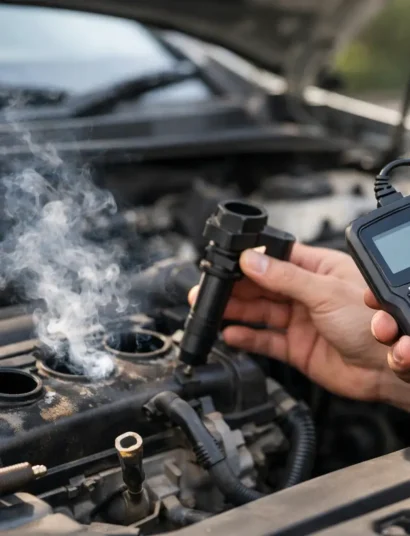
A sharp burning odor after routine driving, or smoke coming from one wheel, can signal an overheated brake. A seized caliper or dragging brake pad may keep pressure on the rotor even when your foot is off the pedal. Besides creating excessive heat, this can quickly wear pads and rotors and may damage nearby components.
Pull over safely, allow the vehicle to cool, and avoid touching the wheel or brake parts. Do not spray water on hot brakes. If smoke is present or a wheel is extremely hot, arrange for professional help rather than driving farther.
Warning lights on the dashboard
A red brake warning light can mean the parking brake is engaged, brake fluid is low, or there is a concern within the hydraulic brake system. An ABS warning light means the anti-lock braking system may not function correctly, even though the vehicle may still have basic braking ability.
Treat both lights as a reason for an inspection. If the red brake warning light appears along with a soft pedal, poor stopping performance, or fluid leaking under the vehicle, pull over when safe and do not keep driving. Warning lights are there to tell you the vehicle needs attention before conditions get worse.
Changes You Can Feel Behind the Wheel
Brake trouble is not always noisy. Sometimes the first sign is simply that your car no longer feels familiar. You may need to press harder than usual to stop, braking may feel delayed, or your vehicle may take longer to slow down in everyday traffic.
Pay attention to changes in normal driving habits. If you find yourself leaving more room because the car does not stop with the same confidence, that is a practical warning sign. Modern vehicles are good at masking gradual wear, so comparing today’s pedal feel and stopping response with what you are used to can help catch a problem early.
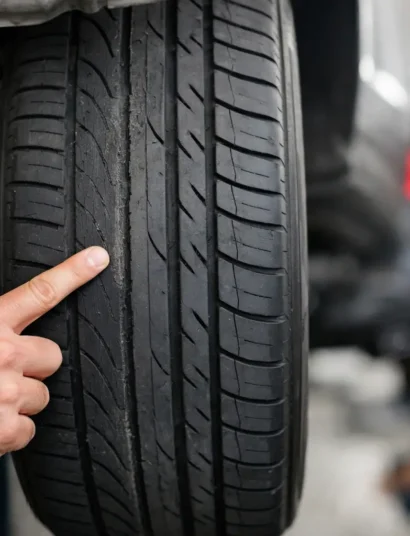
Also watch for uneven tire wear, a steering wheel that is off-center, or a vehicle that wanders. These are not always brake problems, but tires, alignment, suspension, and brakes all affect control and stopping performance. A one-stop inspection can help identify whether the concern is isolated or part of a larger maintenance need.
When Brake Service Cannot Wait
Some brake concerns call for an appointment soon. Others call for immediate caution. Do not delay if you notice metal-on-metal grinding, a pedal that drops close to the floor, significantly reduced stopping power, smoke from a wheel, a major fluid leak, or a red brake light paired with braking changes.
If you are unsure whether your vehicle is safe to drive, choose the cautious option. A quick inspection costs far less than risking an accident or turning worn pads into a more extensive brake repair. For North Houston commuters, that matters when daily traffic, sudden stops, and wet roads can put extra demand on every part of the braking system.
What a Professional Brake Inspection Looks For
A proper brake inspection is more than a quick look through the wheel. A technician should check pad thickness, rotor condition, caliper operation, brake fluid level and condition, brake hoses, hardware, and signs of leaks or uneven wear. They may also inspect tires and suspension components if vibration, pulling, or steering concerns are part of the complaint.
This approach helps avoid guesswork. For example, replacing pads may quiet a squeal, but it will not solve a sticking caliper that caused one pad to wear much faster than the other. Clear recommendations should explain what is worn, what needs attention now, what can be monitored, and why the suggested repair makes sense.
At Firestone1960, drivers can expect brake concerns to be explained in plain language, with service recommendations focused on safety and the real condition of the vehicle. Whether you drive a family SUV, a work truck, or a daily commuter, the goal is the same: dependable stopping power without pressure or surprises.
Help Your Brakes Last Longer
Brake pads and rotors are wear items, but driving habits and routine maintenance influence how long they last. Leave extra following distance so you can brake gradually instead of stopping hard whenever possible. Avoid riding the brake pedal downhill, and have tire rotations, alignment concerns, and suspension issues addressed before they affect handling and brake wear.
There is no single mileage point when every vehicle needs new brakes. Stop-and-go commuting, vehicle weight, driving style, road conditions, and the type of pads installed all make a difference. The better approach is to have the brakes checked during regular maintenance and act when symptoms appear.
Your brakes do not need to make a dramatic noise before they deserve attention. If something feels, sounds, or smells different when you stop, trust that signal and have it checked while the repair is still simple.
Social Share:


No Comment Yet! You can post first response comment.