

08. 27. 2026
The Future of Vehicle Diagnostics Is Here

A warning light on the dashboard used to mean one thing: something was wrong, but finding it could take time. The future of vehicle diagnostics is changing that experience. Modern vehicles can report more detail than ever before, helping technicians identify concerns sooner and helping drivers avoid the stress of a surprise breakdown on a busy Houston commute.
That does not mean a scan tool will replace an experienced technician. It means the right technology, used by someone who understands how your vehicle operates, can lead to clearer answers and more efficient repairs. For drivers who depend on their cars every day, that difference matters.
Why Vehicle Diagnostics Are Becoming More Important
Cars and trucks have become rolling computer networks. A late-model vehicle may have dozens of control modules managing the engine, transmission, brakes, steering, airbags, climate control, cameras, and driver-assistance features. Even everyday systems such as tire pressure monitoring and battery charging rely on sensors and electronic communication.
When one part begins to fail, the symptoms are not always obvious. A rough idle could be caused by an ignition issue, a fuel delivery problem, an air leak, a sensor reading, or an electrical connection. A vehicle that will not start may have a weak battery, but it could also have a charging-system concern, corroded cables, or a problem communicating with a control module.
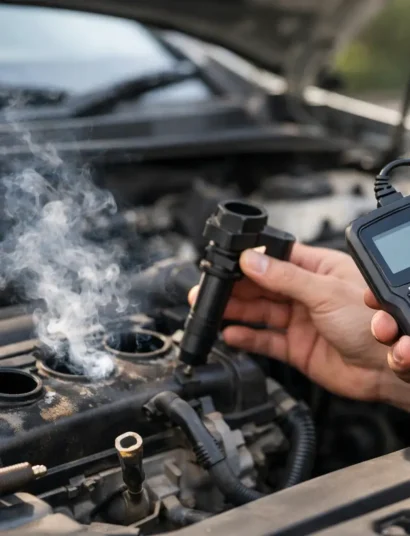
Better diagnostic equipment helps narrow the possibilities quickly. It can read fault codes, monitor live sensor data, test system performance, and show whether different modules are communicating correctly. This can reduce guesswork, but it does not eliminate the need for hands-on testing and a careful repair process.
The Future of Vehicle Diagnostics: Faster, Smarter Answers
The biggest change ahead is not simply that vehicles will generate more data. It is that diagnostic information will become more useful. Newer systems can capture conditions that existed when a warning light came on, such as vehicle speed, engine temperature, battery voltage, or fuel-trim readings. That snapshot gives technicians a better starting point than a code alone.
Some vehicles can also perform self-checks in the background. They may recognize a weak sensor signal, a misfire trend, battery deterioration, or a brake-system concern before the driver notices a major change. Connected-car technology may eventually make it possible for some drivers to receive maintenance alerts through an app or schedule service before a small concern becomes a roadside problem.
For North Houston drivers, early detection can be especially valuable. Summer heat puts added strain on batteries, cooling systems, tires, and air conditioning. Stop-and-go traffic can expose issues that may not show up during a quick trip around the neighborhood. A diagnostic check can catch a developing problem while repair options are still simpler and more affordable.
There is a practical limit, though. Alerts can be helpful, but they are not a final diagnosis. A message saying “check engine” or “service charging system” identifies the area that needs attention. It does not automatically tell you which part should be replaced. Accurate repair still requires testing the vehicle, confirming the cause, and checking for related concerns.
Remote Diagnostics Will Help, but Not Fix Every Problem
Remote diagnostics are likely to become more common as connected vehicles grow. In some cases, a manufacturer or service provider may be able to see certain fault information without the vehicle being in the shop. This could help drivers understand whether a warning deserves immediate attention or whether an appointment can be scheduled soon.
That convenience has trade-offs. Not every vehicle supports the same features, and access to diagnostic data may vary by make, model, subscription, and software system. Privacy also matters. Drivers should understand what information their vehicle shares and who can access it.
More importantly, remote data cannot replace a road test, visual inspection, or physical measurements. A code for a sensor circuit may be caused by the sensor itself, damaged wiring, a loose connector, low voltage, or an issue elsewhere in the system. The vehicle still needs a trained technician to verify the repair before parts are installed.
Artificial Intelligence Will Support Technician Decisions
Artificial intelligence is also beginning to influence vehicle service. Diagnostic software can compare fault patterns, service history, and live readings to suggest possible causes. This may help technicians find known patterns faster, particularly with complicated electronic systems.
Used well, this technology can save time. Used carelessly, it can encourage parts swapping. A recommendation from software should be treated as a useful lead, not proof. A trustworthy shop will explain what testing found, why a repair is recommended, and what options make sense for your vehicle and budget.
The goal should always be the same: fix the actual problem, not just clear a code or replace the most common part associated with it.
Electric and Hybrid Vehicles Change the Diagnostic Process
Electric and hybrid vehicles add another layer to the future of vehicle diagnostics. These vehicles still need tires, brakes, alignments, suspension work, cabin filters, and routine inspections. But they also use high-voltage batteries, inverters, electric drive motors, regenerative braking systems, and specialized cooling circuits.
Diagnosing these systems requires the correct tools, repair information, and safety procedures. High-voltage components should never be treated like a conventional 12-volt battery or standard engine electrical system. The right technician needs to know how to isolate power safely and test the system according to manufacturer procedures.
For owners, the message is simple: choose a shop that is prepared for the type of vehicle you drive. As the vehicle fleet changes, service providers must keep investing in training and equipment. That commitment helps protect both vehicle reliability and driver safety.
What Drivers Can Do Before a Warning Light Becomes a Repair
The technology inside your car is getting smarter, but routine care still makes diagnostics easier and repairs less stressful. Pay attention to changes in how your vehicle starts, stops, steers, shifts, or sounds. A light that comes and goes, dimming headlights, slow cranking, reduced fuel economy, or a new vibration are all worth mentioning during a visit.
When you bring your vehicle in, share the details you have noticed. Let the technician know when the symptom happens, whether it occurs only when the engine is cold, whether it is worse in traffic, and whether a warning light flashed or stayed on. Those observations can be just as helpful as a stored code.
Keep up with the basics as well. Proper tire pressure, regular oil changes, battery checks, brake inspections, wheel alignments, and fluid services help prevent conditions that can trigger larger issues later. Preventive maintenance is not separate from diagnostics. It creates a better picture of your vehicle’s health over time.
Why Honest Communication Matters More Than Ever
As vehicles become more technical, repair explanations need to become clearer, not more confusing. You should not feel pressured to approve a repair simply because a dashboard light appeared or a scanner found a code. Ask what was tested, what the results mean, and whether the repair is urgent, recommended soon, or something to monitor.
A good diagnostic visit should give you a practical path forward. Sometimes the answer is a straightforward repair. Sometimes more testing is needed because the concern is intermittent. In other cases, a technician may find maintenance needs that are not causing the current issue but could affect safety or reliability later. Clear priorities help you make informed decisions without unnecessary surprises.
At Firestone1960, that approach means combining up-to-date diagnostic capability with the honest, personal service local drivers expect. Technology can identify more information than ever, but trust is built by explaining that information in plain language and treating every vehicle with care.
The next time your dashboard light comes on or your vehicle starts acting differently, do not wait for a small signal to become a larger interruption. A timely diagnostic check can give you answers, protect your budget, and help keep your daily drive safe and dependable.
Social Share:


No Comment Yet! You can post first response comment.