

09. 7. 2026
Why Your Car Pulls While Braking and What to Do
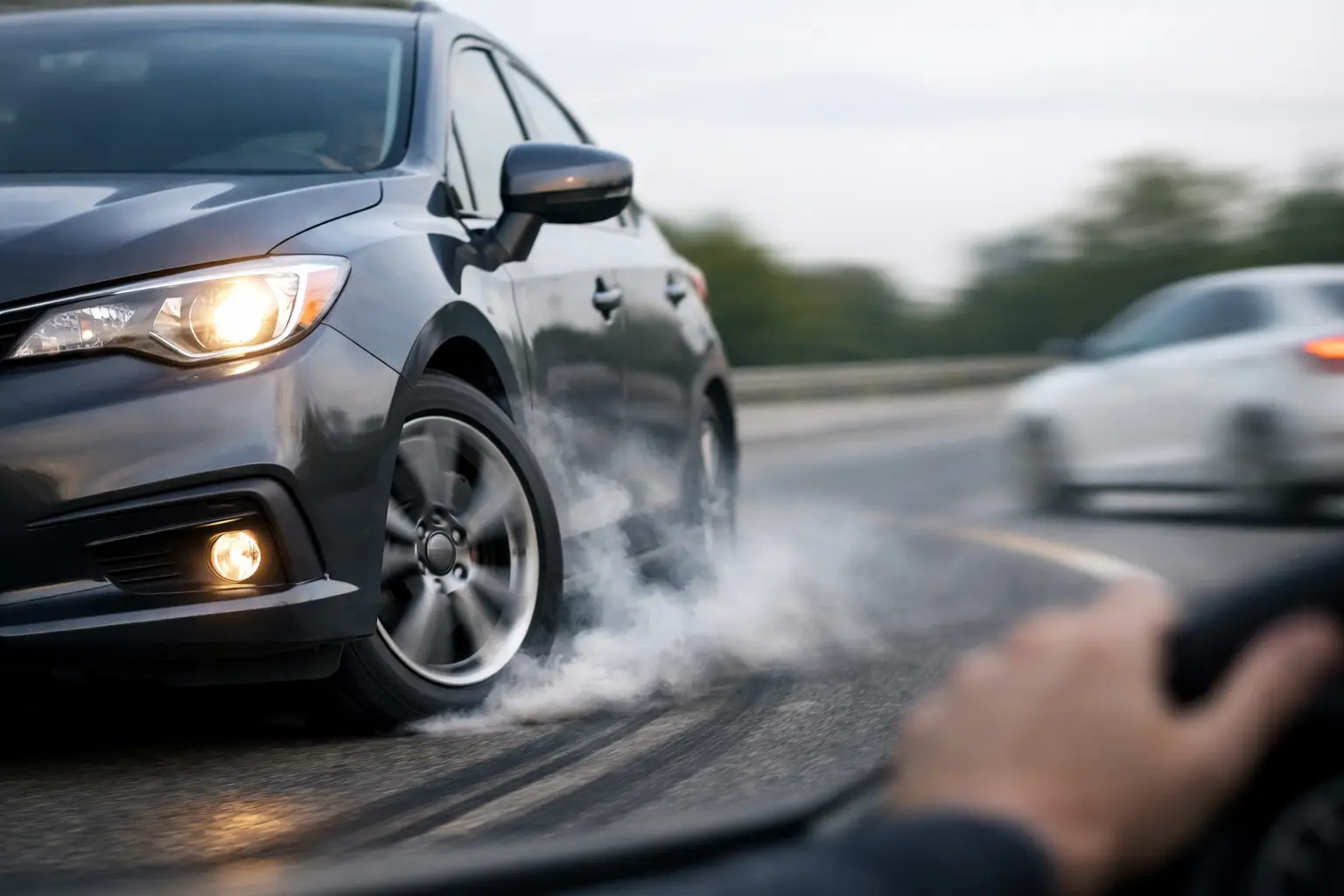
A car that changes direction when you press the brake pedal is not just annoying on a busy Houston commute. When your car pulls while braking, it can make emergency stops harder to control, wear out parts faster, and leave you wondering whether the problem is in the brakes, tires, or suspension. The direction of the pull is a useful clue, but it is not a diagnosis by itself.
The safest move is to have the vehicle inspected soon, especially if the pull is sudden, severe, or paired with noise, vibration, a warning light, or a soft brake pedal. A qualified technician can identify the actual cause before a minor repair turns into a bigger safety issue.
Why a Car Pulls While Braking
Your brakes should apply even force at all four wheels. If one wheel slows down more aggressively than the wheel on the other side, the vehicle naturally moves toward the side creating more braking force. That is why a car often pulls to the left or right only when the brakes are applied.
The cause can range from worn brake components to a tire issue that becomes more noticeable under braking. Houston heat, stop-and-go traffic, potholes, standing water, and long highway drives can all add stress to the systems that keep your vehicle tracking straight.
A sticking brake caliper is a common cause
On many vehicles, a brake caliper uses hydraulic pressure to squeeze the brake pads against the rotor. The caliper needs to apply smoothly and release fully after you take your foot off the pedal. If a caliper piston sticks, or the caliper slide pins corrode and bind, that wheel may brake harder than the other side.
A sticking caliper can cause a pull during braking, but it may also create a burning smell, excessive heat at one wheel, reduced fuel economy, or a vehicle that feels like it is dragging even when you are not braking. Ignoring it can quickly wear down pads and rotors.
Uneven pads or damaged rotors can change braking force
Brake pads do not always wear evenly. One pad may be much thinner because of a seized slide pin, a sticking caliper, or previous hardware problems. Contaminated pads can also lose their ability to grip consistently.
Rotors may develop uneven surfaces, heat spots, deep grooves, or excessive runout. A warped-feeling rotor more commonly causes a pulsing sensation in the brake pedal or steering wheel, but rotor and pad problems can contribute to uneven braking and a pull. The technician should inspect the entire brake assembly rather than replacing only the most visibly worn part.
A restricted brake hose may be the hidden problem
Brake hoses carry fluid from the hard brake lines to the moving brake components at each wheel. Over time, a hose can deteriorate internally. In some cases, the inner lining acts like a one-way valve, allowing pressure to reach the caliper but preventing it from releasing normally.
This issue can be difficult to spot from the outside. It is one reason a proper brake diagnosis matters. Replacing pads alone will not fix a hydraulic restriction.
Tire condition and pressure matter more than many drivers expect
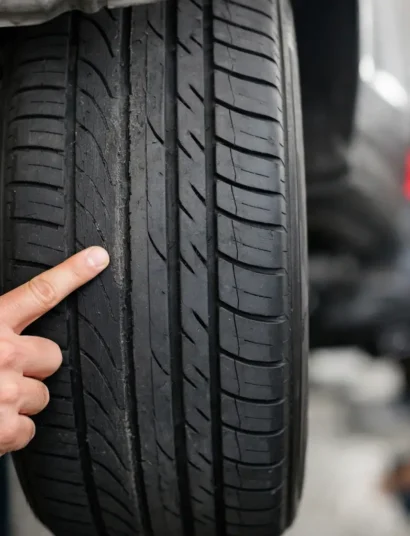
A low tire, uneven tread wear, separated tire belt, or mismatched tires can make a vehicle pull or wander. Sometimes the problem is most obvious when braking because the vehicle’s weight shifts forward and increases the load on the front tires.
Check tire pressure when the tires are cold and use the pressure listed on the driver’s door placard, not the maximum pressure printed on the tire sidewall. If one tire is visibly low, damaged, bulging, or losing air repeatedly, do not assume it is a simple brake concern. It needs attention right away.
Alignment and suspension issues can amplify the pull
Wheel alignment does not usually cause a pull only during braking. If your vehicle pulls while cruising down a flat road as well as while braking, alignment, tire wear, or suspension components may be involved.
Worn ball joints, control arm bushings, tie rods, struts, or other steering and suspension parts can let the wheel angles shift under braking force. A pothole or curb strike may also knock alignment out of specification. The vehicle may still stop, but it will not feel planted or predictable when you need it most.
When Pulling While Braking Becomes Urgent
A mild drift that has been present for months still deserves an inspection, but some symptoms call for immediate service. Do not delay if the vehicle suddenly jerks hard to one side, the steering wheel shakes aggressively, the brake warning light comes on, or the pedal sinks toward the floor.
You should also stop driving and arrange service if you smell burning near a wheel, see smoke, hear metal-on-metal grinding, or notice one wheel is much hotter than the others after a short drive. These signs can point to a dragging brake or severely worn braking components.
If the pull happens only on wet roads, do not dismiss it. Tire tread depth, tire compound, brake balance, and road surface all affect traction in the rain. A vehicle that feels manageable on dry pavement can become difficult to control when water reduces grip.
What a Proper Brake Pull Inspection Should Include
A good inspection starts with a road test when conditions allow. The technician listens to your description of when the pull occurs: light braking, hard braking, highway speeds, downhill stops, or only after the vehicle has warmed up. Those details help narrow the diagnosis.
Next comes a visual inspection of the brake pads, rotors, calipers, hardware, hoses, and fluid condition. The technician should compare pad thickness from side to side, check for fluid leaks, inspect caliper movement, and look for signs of overheating. Tire pressure, tread wear, and tire damage should be checked at the same time.
If the braking system appears sound, the inspection may extend to steering, suspension, and alignment angles. This matters because multiple small issues can create one noticeable symptom. For example, uneven tire wear plus weak struts may make a minor brake imbalance feel much worse.
The repair should match the cause. A brake job may require pads and rotors on both sides of an axle, not just one worn pad. A stuck caliper may require a caliper replacement, brake hose repair, fresh brake fluid, and new pads or rotors if heat damage occurred. If the tires or suspension are the real source, brake replacement alone will not solve the pull.
What You Can Check Before Your Appointment
You do not need to diagnose the vehicle yourself, and you should never touch hot brake components. Still, a few observations can help your service advisor and technician.
Pay attention to which way the vehicle pulls and whether it happens during gentle stops, firm stops, or both. Notice if the steering wheel vibrates, if the brake pedal pulses, or if there is a squeal, scrape, clunk, or burning odor. Check for a visibly low tire and look for uneven tread, bulges, or obvious sidewall damage.
Avoid testing the problem by making repeated hard stops. Extra braking can overheat a failing component and make the condition worse. If the pull is strong, keep speeds low, leave more following distance, and have the vehicle inspected as soon as possible.
Protect Your Brakes, Tires, and Peace of Mind
Routine brake inspections, tire rotations, pressure checks, and wheel alignments give technicians a chance to catch uneven wear before it affects handling. There is no single mileage interval that fits every driver. A family SUV in daily traffic may need attention sooner than a lightly driven vehicle, while towing, performance driving, rough roads, and frequent short trips can all change wear patterns.
At Firestone1960, our team can inspect the brake, tire, steering, and suspension systems together and explain what we find in clear terms. You deserve to know what needs repair now, what can be monitored, and why the recommendation matters.
A vehicle that stops straight inspires confidence every time you approach a red light, school zone, or crowded parking lot. If your car is pulling under braking, trust that feeling, schedule an inspection, and get back to driving with steady control.
Social Share:




No Comment Yet! You can post first response comment.