

09. 21. 2026
All Season Tire Review for Houston Drivers
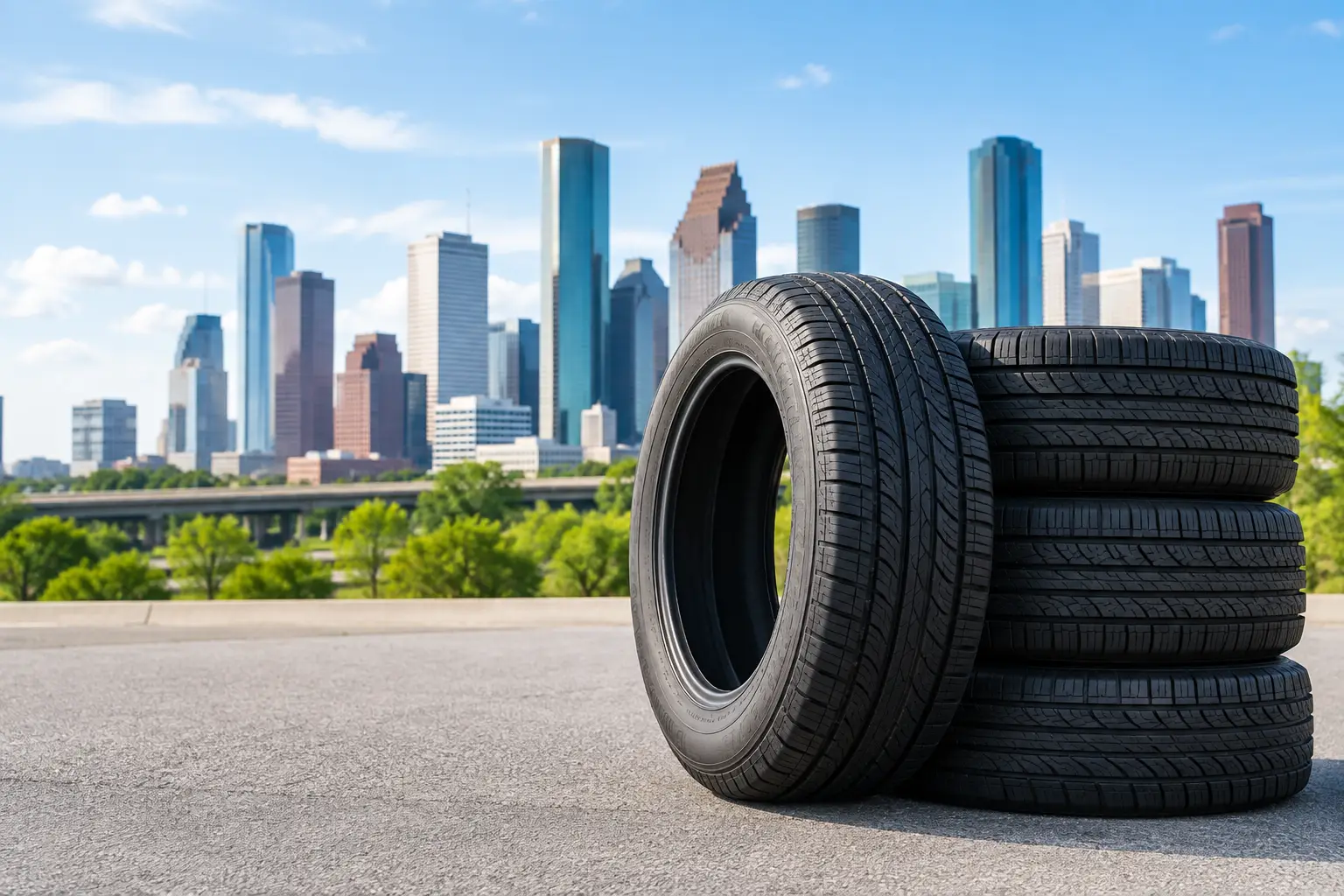
A good all season tire review should answer a simple question: will these tires keep your daily drive safe, comfortable, and affordable through Houston heat, heavy rain, and long commutes? For most North Houston drivers, the answer is yes, but only when the tire fits the vehicle, driving habits, and road conditions.
All-season tires are designed to handle a broad range of everyday conditions instead of excelling in one extreme. That makes them a practical choice for families, commuters, and drivers who want dependable traction without changing tires when the seasons shift. Still, the all-season label alone does not guarantee the same ride quality, wet-weather grip, or tread life from one model to the next.
What an All Season Tire Is Built to Do
All-season tires use tread patterns and rubber compounds intended to work across dry pavement, rain, mild cold, and occasional light winter conditions. Their tread typically includes channels that move water away from the contact patch, helping reduce the chance of hydroplaning. The rubber is also designed to remain flexible through a wider temperature range than a summer-only tire.
For Houston-area driving, that balance makes sense. We see intense heat, sudden downpours, standing water, busy highways, and plenty of stop-and-go traffic. Most drivers do not need a dedicated winter tire for local roads, and a summer performance tire can wear faster or provide less confidence when rain arrives.
The trade-off is specialization. An all-season tire usually will not stop as sharply as a high-performance summer tire on dry roads, nor will it provide the snow and ice traction of a true winter tire. For everyday Texas driving, though, a quality all-season tire is often the sensible middle ground.
All Season Tire Review: What Matters Most
When comparing all-season tires, do not start and end with the price tag. The lowest-priced tire may feel like a bargain at installation, but shorter tread life, more road noise, or weaker wet braking can make it the more expensive choice over time.
Wet traction deserves special attention in our area. Houston rain can turn a familiar commute into a low-visibility drive with slick pavement in minutes. Look for a tire with wide circumferential grooves and well-designed sipes, which are small cuts in the tread that help the tire grip wet surfaces. Strong wet traction is especially valuable if you spend time on freeways or drive early in the morning and late at night.
Tread life is the next practical consideration. A longer treadwear warranty can be useful, but it is not a promise that every driver will get the advertised mileage. Aggressive acceleration, hard braking, poor alignment, underinflation, and missed rotations all shorten tire life. A tire with a moderate warranty that is maintained properly can outlast a higher-rated tire that is neglected.
Ride comfort and road noise matter more than many drivers expect. If your vehicle is used for daily commuting, school drop-offs, or road trips, a quieter tire with a smoother ride can make a noticeable difference. Touring all-season tires often prioritize comfort and long tread life, while performance all-season tires usually favor steering response and cornering grip.
Touring, Performance, and Truck All-Season Tires
Not every all-season tire serves the same driver. Touring all-season tires are a strong fit for many sedans, minivans, crossovers, and family SUVs. They generally focus on a composed ride, dependable wet traction, and longer tread life. For a daily commuter, this is often the category that offers the best overall value.
Performance all-season tires are designed for drivers who want quicker steering response and more confidence in corners. They can be a good match for sport sedans, coupes, and performance-oriented SUVs. The compromise may be a firmer ride, more tire noise, and faster wear than a touring tire.
Truck and SUV all-season tires need to account for higher vehicle weight and, in some cases, light towing or hauling. A highway all-season tire can provide a quieter, more fuel-efficient ride for a pickup that stays on pavement. An all-terrain tire may be better for drivers who regularly encounter job sites, gravel roads, or unpaved property, although it can be louder and may reduce fuel economy.
Choosing the category before choosing the brand keeps the decision focused on how you actually use your vehicle, not just on a sale price or a familiar name.
The Houston Weather Factor
Hot pavement is hard on tires. Summer heat raises road temperatures, which can accelerate wear and increase stress on an underinflated tire. Check tire pressure at least once a month and before a long trip, using the pressure listed on the driver-side door placard rather than the number molded into the tire sidewall.
Rain creates a different concern. Tread depth is what allows a tire to clear water and hold the road. As tread wears down, wet grip declines well before a tire looks completely bald. If you notice longer stopping distances, frequent slipping on wet turns, visible cracking, or tread worn close to the wear bars, it is time for a professional inspection.
Houston drivers who travel north for winter trips should think beyond local weather. If your vehicle will see regular snow, mountain roads, or freezing conditions, a tire with the three-peak mountain snowflake symbol may be worth considering. That designation indicates stronger snow performance than a standard all-season tire. For occasional cold weather in North Houston, a quality standard all-season tire is generally enough.
Price, Value, and the Cost of Waiting
A better tire is not always the most expensive one. The right value is a tire that meets your safety needs, lasts appropriately for your driving, and fits your budget without sacrificing essential wet-weather performance. It is also wise to compare the full installed cost, including mounting, balancing, disposal, and any available road-hazard coverage.
Replacing tires before they become unsafe can prevent larger expenses. Worn tires make it harder to stop, especially on wet roads, and they can contribute to poor handling. Driving too long on damaged or unevenly worn tires may also hide an alignment, suspension, or wheel issue that should be addressed before a new set is installed.
If only two tires need replacement, the new pair should generally be installed on the rear axle to help maintain stability in wet conditions. Your technician can confirm the best approach for your vehicle, tire condition, and drivetrain.
Get the Most From a New Set of Tires
Even an excellent tire will not perform as intended without basic maintenance. Regular tire rotations help the tread wear more evenly. Wheel alignments protect against edge wear and help the vehicle track straight. Proper balancing reduces vibration and supports a smoother ride.
Pay attention to changes behind the wheel. A pull to one side, steering-wheel vibration, uneven tread wear, or a new thumping sound should not be ignored. These symptoms may point to a tire issue, but they can also signal alignment, wheel, brake, or suspension concerns.
At Firestone1960, a tire inspection can help separate normal wear from a problem that needs attention. Clear recommendations and the right tire choice can protect both your vehicle and your budget.
The best all-season tire is not the one with the loudest advertising. It is the one that matches your vehicle, handles the roads you drive every day, and gives you confidence when the next Houston rainstorm rolls in.
Social Share:



No Comment Yet! You can post first response comment.