

10. 11. 2026
When Tire Repair Is Safe and When to Replace
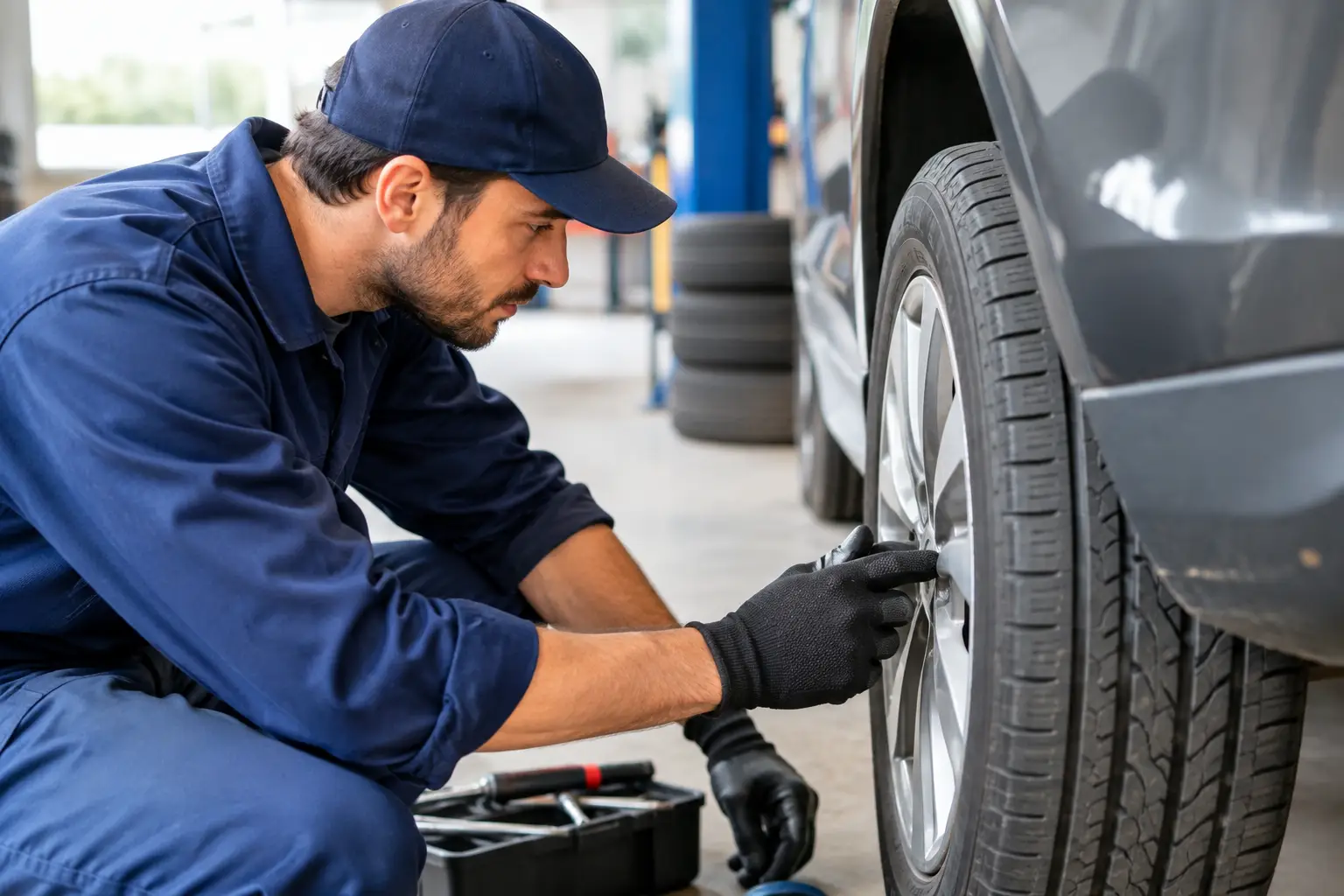
A nail in the tread can turn an ordinary Houston commute into a stressful morning. The good news is that tire repair is often a safe, practical option when the damage is caught early and falls within industry repair guidelines. The key is knowing that not every flat is repairable, even when the tire still appears to hold air.
A professional inspection takes the guesswork out of the decision. It protects your safety, helps preserve your tires, and can prevent a small puncture from becoming a roadside breakdown.
What Makes a Tire Repair Safe?
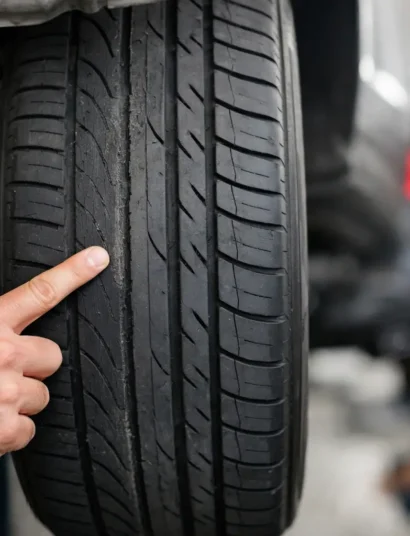
A proper repair depends on where the damage is located, how large it is, and what happened to the tire after it lost air. In many cases, a small puncture in the center portion of the tread can be repaired. This is the area designed to meet the road and is supported by the tire’s internal structure.
For a lasting repair, the tire should be removed from the wheel and inspected from the inside. A qualified technician can look for hidden damage, moisture, broken cords, or signs that the tire was driven while flat. The standard professional approach is an internal patch-and-plug repair: the plug fills the puncture channel, while the patch seals the inner liner.
An external plug alone may seem like a quick fix, but it does not allow anyone to inspect the inside of the tire. It can be useful in a true emergency, but it should not replace a full inspection and professional repair.
The Puncture Location Matters Most
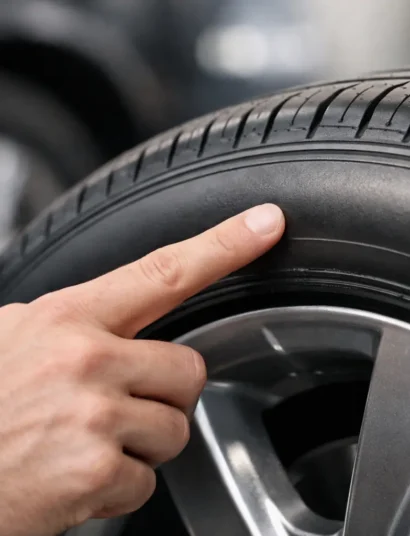
The repairable portion of a tire is generally the central tread area. Damage in the shoulder or sidewall usually calls for replacement. These areas flex far more as you drive and cannot reliably support a repair.
Sidewall cuts, bulges, and cracks deserve immediate attention. The sidewall carries a major part of the tire’s structural load. A patch may stop air from escaping temporarily, but it cannot restore compromised internal cords or make a weakened sidewall safe at highway speed.
When Replacement Is the Safer Choice
A tire is not repairable simply because the puncture looks small. A technician may recommend replacement when the hole is too large, the tire has multiple nearby punctures, or the damage reaches a non-repairable area. That recommendation is about protecting the tire’s structure, not selling a tire you do not need.
Replacement is also usually necessary when a tire has been driven flat or severely underinflated. Even a short drive on a flat can pinch and damage the internal sidewall. The outside may look normal after air is added, while the inside has already been weakened.
Watch for these signs that should not wait:
- A bubble or bulge on the sidewall or tread
- A deep cut, split, or exposed tire cords
- Repeated air loss after inflation
- Heavy vibration, thumping, or pulling after a tire incident
Low tread depth can change the calculation, too. Repairing a nearly worn-out tire may not be the best value, especially with Houston’s heavy rain, sudden storms, and hot pavement. A tire needs enough tread to move water away from the contact patch and maintain dependable traction.
Why a Slow Leak Should Never Be Ignored
Slow leaks are easy to put off. You add air once every week or two, the tire looks fine, and the vehicle keeps moving. But low tire pressure creates excess heat and makes the tire flex more than it should. Over time, that can reduce tire life, affect fuel economy, and make the vehicle feel less stable.
The source may be a nail, screw, valve stem issue, damaged wheel, or a poor seal between the tire and rim. A professional inspection identifies the actual cause instead of treating every leak as a puncture. In some cases, cleaning corrosion from the wheel bead or replacing a valve component solves the problem without a tire repair.
If your tire pressure warning light comes on, check the pressure as soon as you can. The warning is not always a reason to panic, but it is a reason to act. Inflate the tire to the pressure listed on the driver’s door-jamb label, not the maximum number printed on the tire sidewall, then arrange an inspection if the light returns.
What to Do When You Find a Nail or Screw
If you see a nail or screw in the tread and the tire is still holding air, leave it in place until a technician can inspect it. Pulling it out may turn a slow leak into a rapid one, leaving you unable to drive safely.
Avoid using sealant unless you are stranded and have no better option. Some sealants can make a tire messier to inspect and repair, and they may affect tire pressure monitoring system components. If you do use one, tell the service team when you arrive so they can handle the tire appropriately.
When the tire is visibly flat, do not continue driving on it. Use a spare if you have one and know it is safe to install, or arrange assistance. A repairable puncture can become an unrepairable tire once the sidewall has been driven on without enough air.
Tire Repair and Your Vehicle’s Handling
Tires work as a set. One damaged tire can affect braking, steering response, road noise, and ride comfort. After a repair, the tire should be inflated correctly and checked for balance if needed. If you noticed a shake before or after the flat, ask for the wheel and tire assembly to be evaluated.
Alignment matters as well. A nail does not cause an alignment problem, but uneven wear can reveal an existing alignment issue. If one edge of your tire is wearing faster than the rest, repairing the puncture alone will not stop the wear pattern. Addressing the alignment can help protect the repaired tire and the rest of the set.
For all-wheel-drive vehicles, tire matching is especially important. A large difference in tread depth between tires can place extra strain on drivetrain components. If replacement is necessary, a technician can help you understand whether one tire, a pair, or a full set makes the most sense for your vehicle.
How to Help Your Tires Last Longer
Most flats cannot be prevented, but regular tire care reduces the chance that a small issue becomes an expensive one. Check tire pressure monthly and before long drives. Pressure changes with temperature, and Houston weather can swing enough to trigger a warning light or leave a tire underinflated.
Routine rotations help tires wear more evenly, while wheel alignments protect against premature edge wear. It is also smart to look over your tires while fueling up or washing the vehicle. A quick glance can reveal embedded objects, uneven wear, cracking, or a developing bulge before it creates a bigger problem.
Do not forget your spare tire. Many drivers discover it is low, damaged, or missing only when they need it. Check its pressure and condition as part of your regular maintenance routine.
Get Clear Answers Before You Commit
When you bring in a damaged tire, you deserve a straightforward explanation. Ask whether the puncture is in the repairable tread area, whether the tire shows internal damage, and whether its remaining tread makes repair worthwhile. A good shop will show you the issue and explain the recommendation in plain language.
At Firestone1960, the goal is to help North Houston drivers make the safe, sensible choice for their vehicle and budget. Sometimes that means a quick repair. Other times, replacement is the responsible answer. Either way, addressing a flat early gives you more options and helps keep the next drive smooth, safe, and worry-free.
Social Share:


No Comment Yet! You can post first response comment.