

10. 13. 2026
How to Tell If Brakes Are Overheating Safely
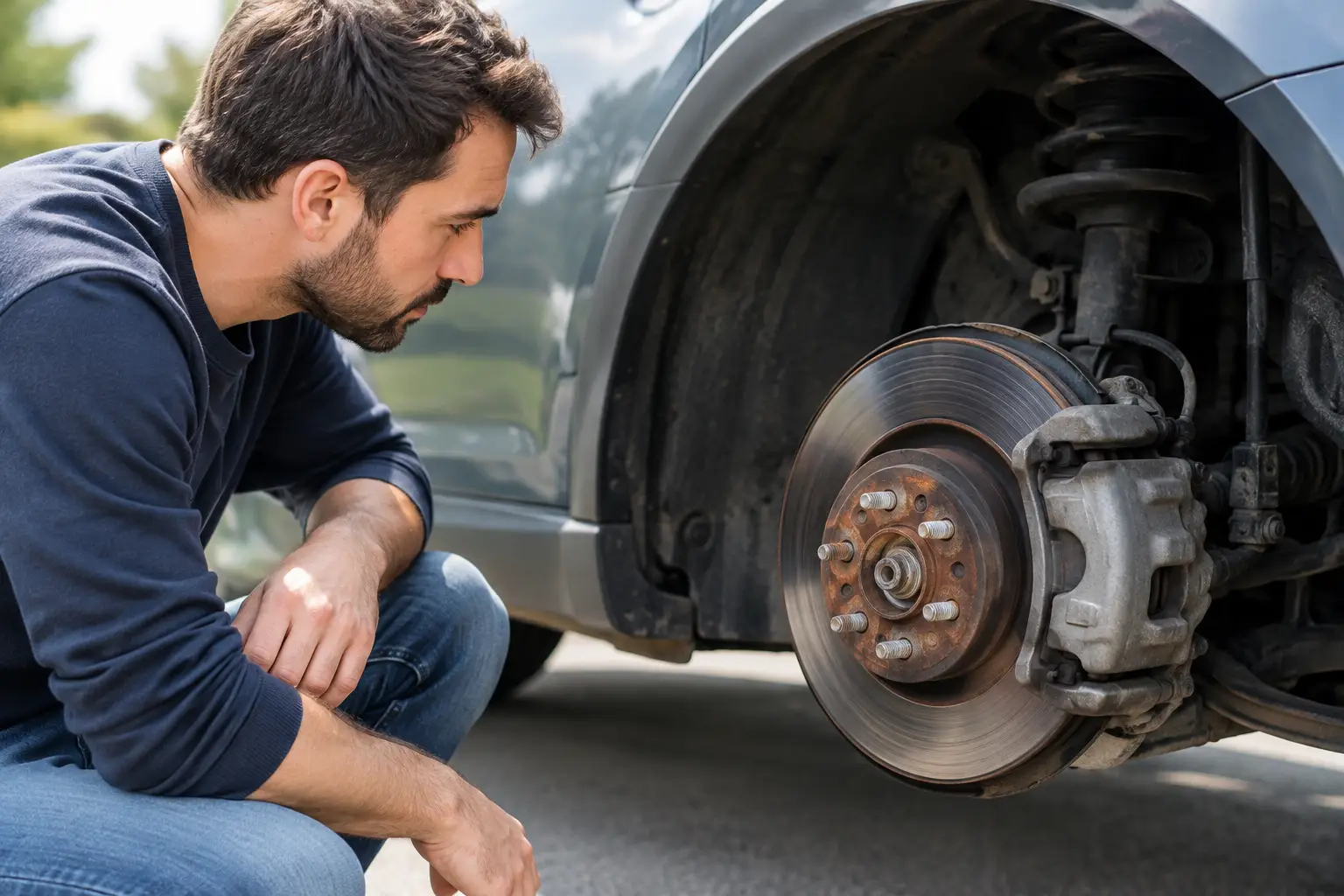
A sharp burning smell after heavy traffic, a soft brake pedal on the way down a parking garage, or smoke near a wheel can turn an ordinary drive into a safety concern fast. Knowing how to tell if brakes are overheating helps you make the right call before heat damages expensive components or affects your ability to stop.
Brake heat is normal. Every time you slow down, your brake pads squeeze the rotors and turn motion into heat. The problem starts when the system cannot shed that heat quickly enough. Houston-area traffic, hot weather, repeated hard stops, steep ramps, towing, and a sticking brake component can all push brakes past their normal operating range.
How to Tell If Brakes Are Overheating
The most obvious warning sign is a hot, acrid odor that is often compared to burning carpet or burning chemicals. You may notice it after driving in stop-and-go traffic, descending a long hill, or braking repeatedly at highway speeds. A brief smell after an unusually demanding drive does not always mean immediate failure, but it should not be ignored, especially if it returns.
Smoke coming from a wheel area is more urgent. Pull over in a safe place as soon as you can, turn off the vehicle, and allow the brakes to cool naturally. Do not pour water on hot rotors or calipers. Rapid cooling can warp or crack parts, and the wheel area may be hot enough to cause burns.
Changes in braking feel also matter. If the pedal feels softer than usual, travels farther toward the floor, or requires more pressure to slow the vehicle, heat may be affecting brake performance. This condition is often called brake fade. As pads, rotors, and brake fluid become excessively hot, the system may not respond as firmly or predictably as it should.
Pay attention to how the vehicle behaves, too. A car that pulls to one side when braking, shakes through the steering wheel, or feels like it is resisting forward movement may have more than normal brake heat. Those symptoms can point to uneven pad wear, rotor problems, or a caliper that is not releasing fully.
Other signs worth taking seriously include:
- A wheel that feels unusually hot compared with the others after driving
- Reduced fuel economy or a burning smell during normal, light driving
- Squealing, grinding, or scraping noises that become worse after braking
- A brake warning light or an electronic parking brake warning on the dashboard
Never touch a wheel, rotor, or caliper to check for heat. If you suspect one wheel is hotter than the others, use caution and let a trained technician inspect the vehicle.
What Overheating Brakes Feel Like Behind the Wheel
Overheated brakes do not always produce smoke. Sometimes the first clue is simply that your vehicle no longer feels normal. You may press the brake pedal and notice that stopping takes longer, particularly after several stops in a row. The vehicle may also vibrate under braking or make a harsh smell that lingers after you park.
It helps to distinguish between a one-time heat event and a mechanical problem. For example, a loaded SUV traveling down a long grade may heat its brakes more than usual. If the braking feel returns to normal after the system cools and the smell does not come back, the issue may have been excessive use rather than a failed part.
On the other hand, brakes that smell hot during a short neighborhood drive need attention. That pattern can mean a sticking caliper, seized slide pins, collapsed brake hose, improperly adjusted parking brake, or another issue that keeps a pad dragging against the rotor. Continued driving can quickly wear out pads and rotors, damage wheel bearings, and create a serious safety risk.
Common Reasons Brakes Overheat
Frequent hard braking is a common cause, but it is not the only one. Riding the brakes in traffic or holding steady pressure while going downhill creates constant friction. On longer descents, shift to a lower gear when appropriate so the engine helps control speed instead of making the brakes do all the work.
A dragging caliper is one of the more common mechanical causes. The caliper applies pressure to clamp the pad against the rotor, then must release enough for the wheel to spin freely. If it sticks, that brake stays partly applied even when your foot is off the pedal. This can create heat, a burning odor, uneven pad wear, and pulling to one side.
Brake fluid can also contribute to fading under extreme conditions. Old or moisture-contaminated fluid has a lower boiling point. When fluid gets too hot, vapor can form in the system, making the pedal feel spongy or less responsive. That is one reason brake fluid service should follow your vehicle manufacturer’s schedule, not just wait for a problem.
Poor-quality parts, incorrect installation, heavily worn pads, and damaged rotors can further reduce the system’s ability to manage heat. A brake inspection identifies the actual cause, which is better than replacing parts based on a smell or noise alone.
What to Do When You Suspect Overheated Brakes
If your brakes feel weak, you see smoke, or the vehicle is pulling sharply, reduce speed without making sudden movements and move to a safe location. Leave extra room between your vehicle and traffic. If braking performance is seriously reduced, do not continue driving to your destination.
Once parked safely, place the vehicle in park, apply the parking brake only if it is functioning normally and the vehicle is secure, and let the brakes cool. Keep children and pets away from the wheels. Do not open brake fluid reservoirs, spray water on components, or attempt to inspect parts while they are hot.
After the brakes have cooled, consider whether the symptoms are gone. If there was smoke, a persistent odor, a soft pedal, warning light, grinding noise, or pulling, arrange for a professional inspection before regular driving. Towing is the safer option when braking feels unreliable. A brake issue is not a repair to postpone because it affects every stop you make.
Can You Prevent Brake Overheating?
Good driving habits make a real difference. Avoid following too closely, because extra distance gives you time to slow gradually rather than braking hard at the last second. In heavy traffic, ease off the accelerator early and let the vehicle coast when conditions allow. On a downhill grade, use lower gears as directed by your owner’s manual instead of riding the brake pedal.
Routine service matters just as much. Brake pads wear over time, rotors can develop heat spots, and caliper hardware can corrode or bind. Regular inspections catch uneven wear and sticking components before they become a hot wheel, damaged rotor, or unexpected loss of braking confidence.
For drivers in North Houston, daily traffic and high summer temperatures can make small brake problems show up sooner. At Firestone1960, our technicians can inspect pad thickness, rotor condition, caliper operation, brake fluid, hoses, and hardware, then explain what needs attention and what can wait. The goal is clear recommendations, fair repairs, and a vehicle that stops smoothly when your family needs it to.
A burning smell from the brakes is your vehicle asking for attention. Trust that signal, give the system time to cool, and have recurring symptoms checked before your next commute turns a manageable repair into a roadside problem.
Social Share:


No Comment Yet! You can post first response comment.