

06. 9. 2026
Why Does My Car Pull Right?
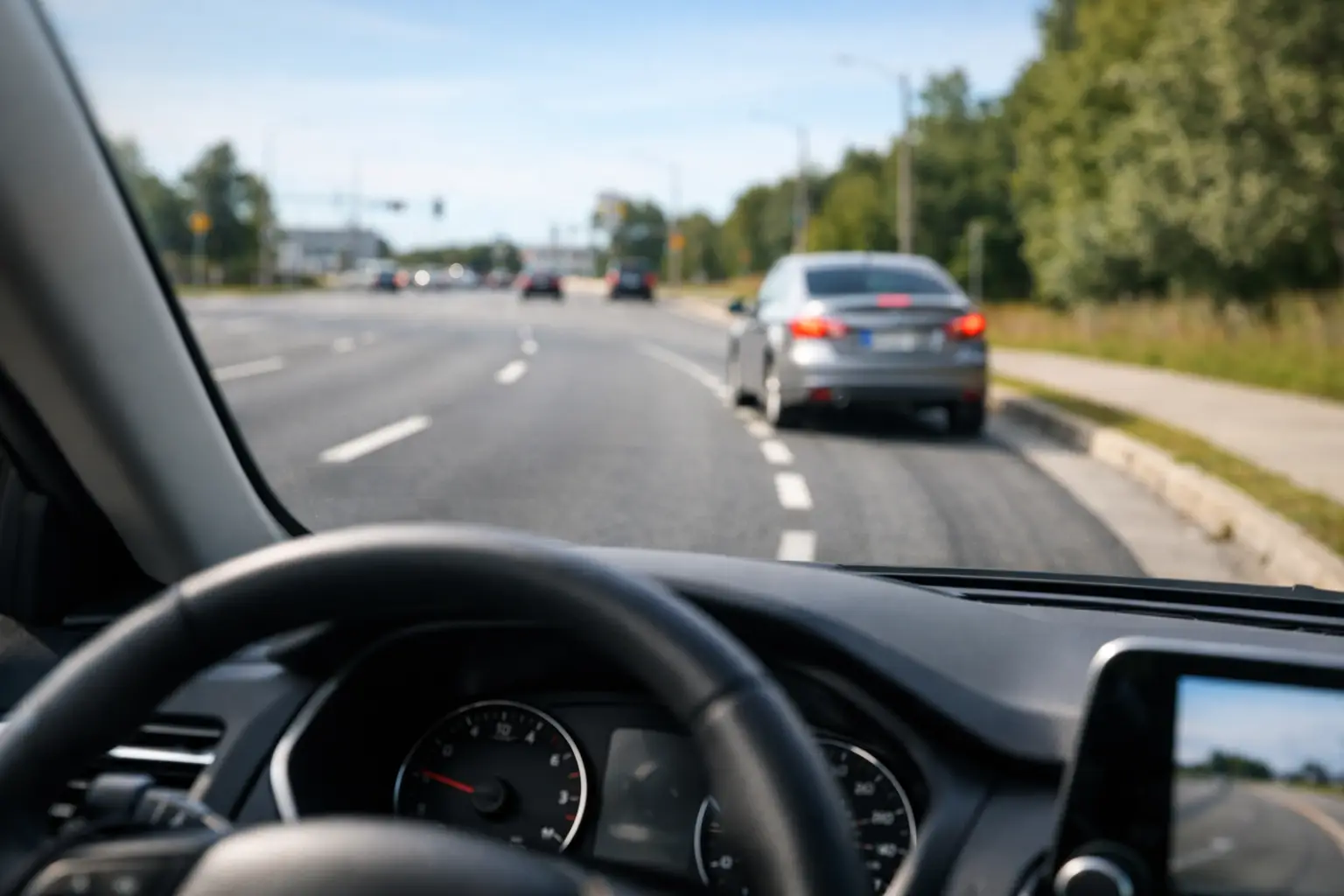
You are cruising down the road, your hands are steady on the wheel, and the car still drifts toward the shoulder. If you have been asking, why does my car pull right, the short answer is that something is no longer working evenly from side to side. Sometimes it is a simple tire issue. Other times it points to alignment, brake, or suspension trouble that should be checked sooner rather than later.
A car that pulls right is more than an annoyance. It can make driving tiring, wear out your tires faster, and in some cases reduce your control in traffic or wet conditions. The good news is that this is a common problem, and in many cases the cause can be found pretty quickly with the right inspection.
Why does my car pull right while driving?
When a vehicle tracks straight, the tires, steering, suspension, and brakes are all working together evenly. A pull to the right usually means one side is creating more drag or a different rolling angle than the other. That imbalance is what you feel through the steering wheel.
The tricky part is that not every right pull comes from the same source. A tire problem can feel a lot like an alignment issue. A sticking brake can mimic both. Road shape matters too. Many streets are built with a slight slope so water drains off the surface, and that can create a mild drift to the right even when the vehicle is in decent shape.
That is why the details matter. Does it pull only when braking, only at highway speed, or all the time? Did it start after hitting a pothole, getting new tires, or having suspension work done? Those clues help narrow it down.
The most common reasons a car pulls right
Tire pressure is uneven
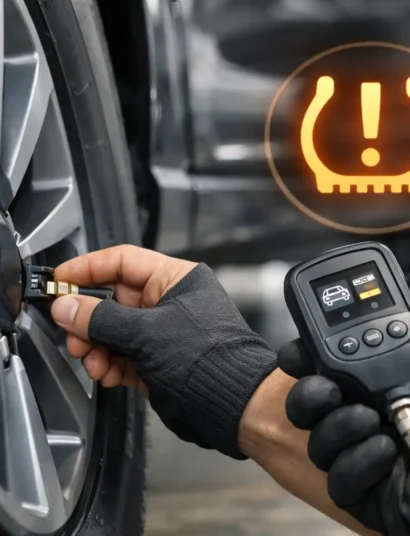
This is the first thing to check because it is simple and very common. If the right front tire is low on air, or if the left side is overinflated compared to the right, the vehicle may start drifting. Even a pressure difference that does not look dramatic can affect how the car tracks.
Pressure can also change with weather swings, which Houston-area drivers know well. A cool morning and a hot afternoon can expose a marginal tire issue fast.
Tire wear or tire construction problems
Sometimes the pressure is fine, but one tire still causes a pull. Uneven tread wear, internal tire damage, or a tire with a conicity issue can all make the car want to move right. Conicity means the tire rolls slightly like a cone instead of a perfect cylinder, which can steer the vehicle without any input from you.
This is one reason a car may start pulling shortly after new tires are installed. That does not always mean the tires are bad, but it does mean they should be checked and, if needed, rotated side to side for diagnosis.
Wheel alignment is off
Alignment is one of the biggest causes of a persistent pull. If the toe, camber, or caster angles are out of spec, the wheels may no longer point or lean correctly. A hard pothole hit, curb impact, or worn steering and suspension parts can knock things out.
If the pull came on suddenly after road damage, alignment moves higher on the suspect list. If it happened gradually along with uneven tire wear, that is another strong sign.
A brake caliper may be sticking
If a brake caliper on one side does not release fully, it can create drag and pull the vehicle in that direction. A right-side sticking caliper can make the car pull right, especially during or after braking. In some cases, you may notice a burning smell, extra brake dust on one wheel, or a wheel that feels hotter than the others.
Brake pulls should not be ignored. They can affect stopping distance and accelerate wear on pads and rotors.
Suspension or steering parts are worn
Ball joints, tie rods, control arm bushings, wheel bearings, and struts all help keep the vehicle stable and properly positioned. When one of those parts wears out, the car may stop tracking straight. You might also notice clunks over bumps, loose steering feel, or vibration.
This is where a pull becomes more than a tire or alignment issue. If the underlying parts are worn, an alignment alone may not hold.
Why does my car pull right when I brake?
If the vehicle tracks fairly straight until you press the brake pedal, that points more strongly to the braking system. A sticking caliper is a common cause, but it is not the only one. Uneven brake pad wear, a collapsed brake hose, or rotor problems can also create a side-to-side braking imbalance.
Brake pull can feel subtle at first. Then one day you hit traffic and realize the steering wheel tugs right every time you slow down. That is your sign to get it checked before it turns into a bigger brake repair.
Why does my car pull right after an alignment?
Drivers are understandably frustrated when this happens. If the car still pulls right after an alignment, a few things may be going on. The most common is a tire-related pull that was never the real alignment issue in the first place. Another possibility is worn suspension components that prevent the alignment from staying where it should.
There is also the chance that road crown is being mistaken for a true pull. A good technician will road test the vehicle, review the alignment readings, and separate normal road influence from an actual mechanical problem.
What feels normal and what does not
A light drift on a sloped road can be normal. Constantly fighting the wheel is not. If you need steady steering correction on a flat road, if the steering wheel sits off-center, or if the pull gets worse during braking or acceleration, it deserves attention.
The same goes for any pull paired with shaking, noises, uneven tire wear, or a recent impact. Those signs usually mean there is more going on than road shape.
Can you keep driving if your car pulls right?
It depends on how severe it is and what is causing it. If it is a mild drift caused by tire pressure, you may be able to correct it quickly and move on. But if the pull is strong, sudden, or tied to braking, steering looseness, or visible tire wear, it is smarter to stop guessing and have it inspected.
Driving too long with a pull can shorten tire life, put extra stress on suspension parts, and make the vehicle less predictable in an emergency maneuver. What starts as a small annoyance can become a more expensive repair if it is ignored.
How a shop diagnoses a car that pulls right
A proper diagnosis usually starts with the basics. Tire pressures are checked first, then tire condition and wear patterns. From there, the technician looks at alignment angles, steering and suspension components, and the braking system.
In some cases, a road test is the key step because it helps confirm when the pull happens and how strong it is. If the problem changes while braking, that points in one direction. If switching front tires side to side changes the pull, that points in another.
This is why a real inspection matters. Replacing parts based on guesswork can waste money and still leave the problem unresolved.
The fix depends on the cause
Some repairs are straightforward, like correcting tire pressure or replacing a damaged tire. Others involve a wheel alignment, brake service, or suspension repair. There is no one-size-fits-all answer because a right pull is a symptom, not a part.
What matters most is finding the actual source before tire wear gets worse or safety is affected. At a full-service shop like Firestone1960, that means looking at the whole picture instead of assuming every pull is just an alignment issue.
If your car is drifting toward the right and making every drive more work than it should be, trust what you are feeling. Cars are supposed to track straight, feel stable, and respond evenly. When they do not, a quick check now can save you time, tires, and frustration later.
Social Share:




No Comment Yet! You can post first response comment.