

10. 15. 2026
Oil Change Versus Engine Flush Explained
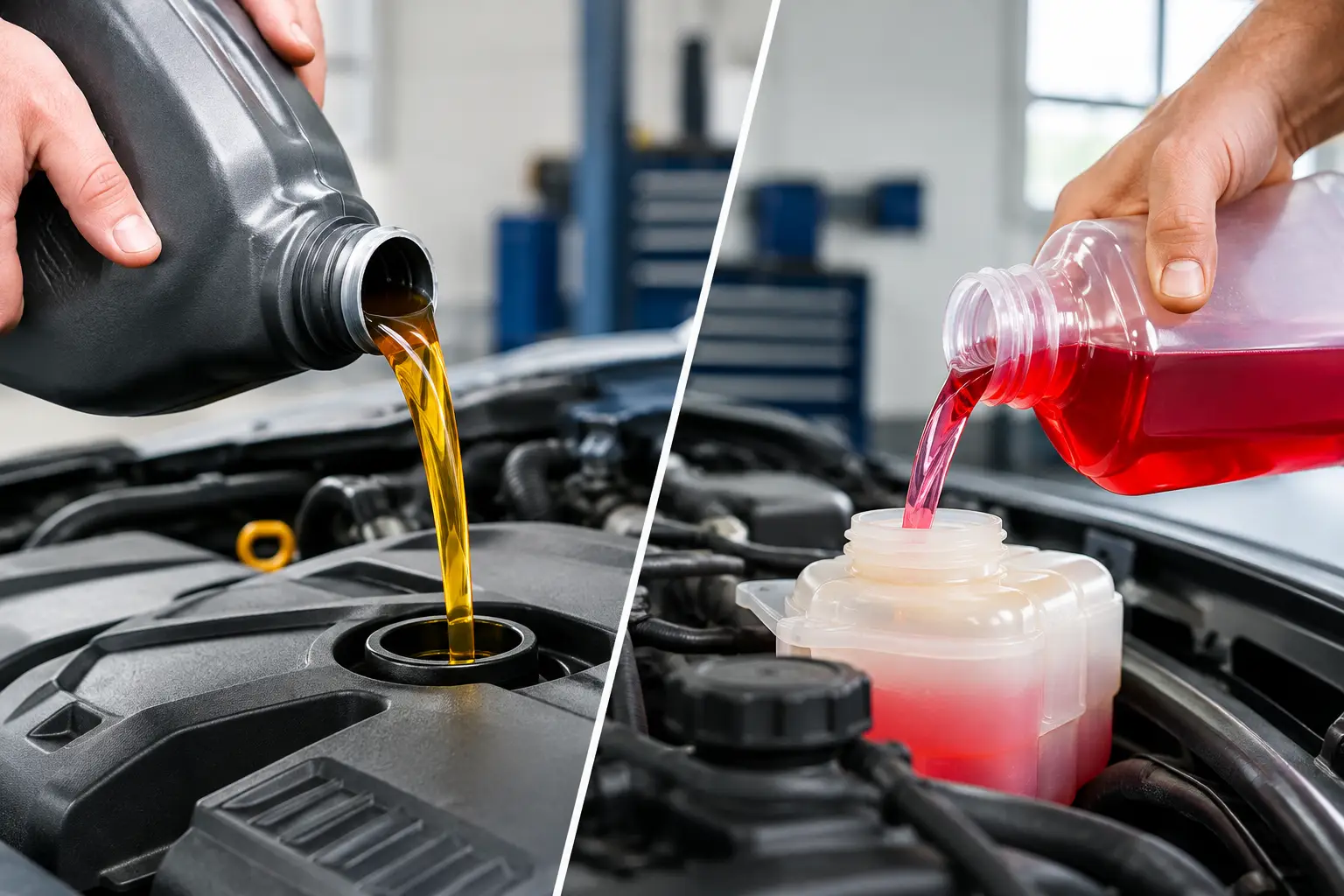
A quick-lube menu can make oil change versus engine flush sound like a simple choice. It is not. An oil change is routine maintenance that nearly every vehicle needs on schedule. An engine flush is a more selective service that may help in certain situations, but it is not automatically better for every engine.
For North Houston drivers, that distinction matters. Heavy traffic, high summer temperatures, short trips, and long commutes can all be hard on engine oil. The right service starts with your vehicle’s maintenance history, mileage, oil condition, and the technician’s inspection – not a one-size-fits-all recommendation.
Oil Change Versus Engine Flush: The Main Difference
An oil change removes the old engine oil and replaces it with fresh oil and a new filter. Its primary job is preventive: fresh oil lubricates moving parts, helps manage heat, reduces friction, and carries away contaminants before they can cause unnecessary wear.
An engine flush is a cleaning procedure. A technician adds a specialized cleaning product to the existing oil, lets the engine run for a controlled period, then drains the mixture before installing fresh oil and a new filter. The goal is to loosen sludge, varnish, and deposits that may have collected inside the engine over time.
Think of an oil change as regular housekeeping. An engine flush is closer to a targeted deep cleaning. Both have a place, but they are not interchangeable.
Why Regular Oil Changes Matter More
For most vehicles, consistent oil changes are the best defense against oil-related engine problems. Modern engine oils contain detergents and additives designed to keep contaminants suspended so the filter can capture them and the old oil can carry them out during service.
When oil stays in an engine too long, heat and oxidation can break it down. It can become thicker, dirtier, and less effective at protecting critical parts. Over time, neglected oil may leave behind deposits that restrict oil flow or contribute to sludge buildup.
Following the oil type and interval listed in your owner’s manual is especially important. Many newer vehicles require a specific synthetic or synthetic-blend oil, and using the correct viscosity matters just as much as changing it on time. A vehicle that calls for full synthetic oil should not be treated like an older car with a basic conventional-oil schedule.
Oil-life monitoring systems can be useful, but they do not replace common sense. If your driving includes frequent short trips, stop-and-go traffic, towing, extreme heat, or long idle times, your engine may need attention sooner than a driver who spends most of the week on open highways.
When an Engine Flush May Be Worth Considering
An engine flush can be useful when there is a real reason to believe deposits have built up. It should follow an inspection and an honest conversation about the vehicle’s condition, rather than being added automatically to every oil change.
A technician may discuss an engine flush if your vehicle has a history of missed oil changes, visible sludge under the oil cap or valve cover, or oil passages affected by buildup. It may also be considered when a used vehicle arrives with an uncertain service history. In some cases, an engine with excessive varnish or sludge can benefit from cleaning before fresh oil is added.
Possible signs that deserve a professional look include:
- Thick, dark deposits visible around engine components
- A history of extended oil-change intervals or the wrong oil type
- Oil-related warning lights or unusual engine noise
- Evidence of restricted oil flow found during diagnosis
These signs do not automatically mean a flush is the answer. Low oil pressure, ticking noises, warning lights, and rough operation can also point to mechanical problems that need diagnosis and repair. Adding a cleaning product will not fix a worn oil pump, a leaking gasket, a failed sensor, or internal engine damage.
When an Engine Flush May Not Be the Right Move
Engine flushes involve a trade-off. In a severely neglected, high-mileage engine, deposits can sometimes be masking existing problems. Cleaning them aggressively may loosen material that moves elsewhere in the lubrication system, or it may expose seals that were already brittle and leaking.
That does not mean every older vehicle should avoid a flush. It means the service needs to be recommended carefully. A trustworthy shop will consider the engine’s age, mileage, maintenance history, oil condition, and any symptoms before advising you.
If an engine is badly sludged, a safer approach may be more frequent oil and filter changes with the manufacturer-approved oil. Replacing the oil at shorter intervals can gradually improve oil cleanliness without introducing an aggressive cleaning step. In more serious cases, the vehicle may need mechanical repair or internal cleaning that goes beyond a standard flush.
Drivers should also avoid do-it-yourself flush products unless they fully understand the vehicle manufacturer’s guidance and the engine’s condition. The wrong chemical, improper run time, or an overlooked mechanical issue can create an expensive problem.
What to Expect From a Professional Recommendation
A good recommendation begins with questions. How often has the oil been changed? What oil has been used? Is the engine consuming oil, leaking, making noise, or showing a warning light? Has the vehicle recently been purchased used? Those details help determine whether routine maintenance is enough or whether further inspection makes sense.
At Firestone1960, the goal is to explain what we see and why it matters. If your oil is simply due for replacement, an oil change with the proper filter and manufacturer-recommended oil is usually the sensible choice. If deposits or oil-related concerns are found, your technician should explain the condition, the potential benefit of a flush, and any risks before work begins.
That level of clarity matters because an engine flush is not a maintenance requirement on most factory service schedules. It is a condition-based service. You should never feel pressured into it just because it appears as an option on a service menu.
How to Protect Your Engine Between Visits
The easiest way to avoid sludge concerns is to stay ahead of them. Check your oil level regularly, especially if your vehicle has higher mileage or has ever used oil between changes. Running low on oil can create problems even when the oil itself is relatively fresh.
Use the oil grade specified by the manufacturer and keep records of oil services. If you drive a truck or SUV for towing, make frequent short trips, or spend long periods in Houston traffic, let your service advisor know. Those real-world conditions can influence the best oil-change interval for your vehicle.
Pay attention to changes in how your vehicle sounds or performs. An oil warning light, burning-oil smell, new ticking noise, smoke from the exhaust, or a sudden drop in oil level deserves prompt attention. Catching an issue early can protect far more than the engine oil – it can help prevent damage to timing components, turbochargers, variable valve timing systems, and other expensive parts.
The Better Question to Ask
Instead of asking whether an engine flush is always better than an oil change, ask what your engine actually needs right now. For a well-maintained vehicle, regular oil changes are usually the most effective and cost-conscious way to support long engine life. For a vehicle with evidence of buildup or a neglected maintenance history, an engine flush may be worth discussing after a proper inspection.
Your vehicle works hard every day, whether it is carrying the family across town, commuting through traffic, or handling a long Texas highway drive. Give it the service that fits its condition, and choose a shop that is willing to explain the difference before recommending the work.
Social Share:



No Comment Yet! You can post first response comment.