

06. 11. 2026
Brake Pads vs Rotors: What Drivers Should Know
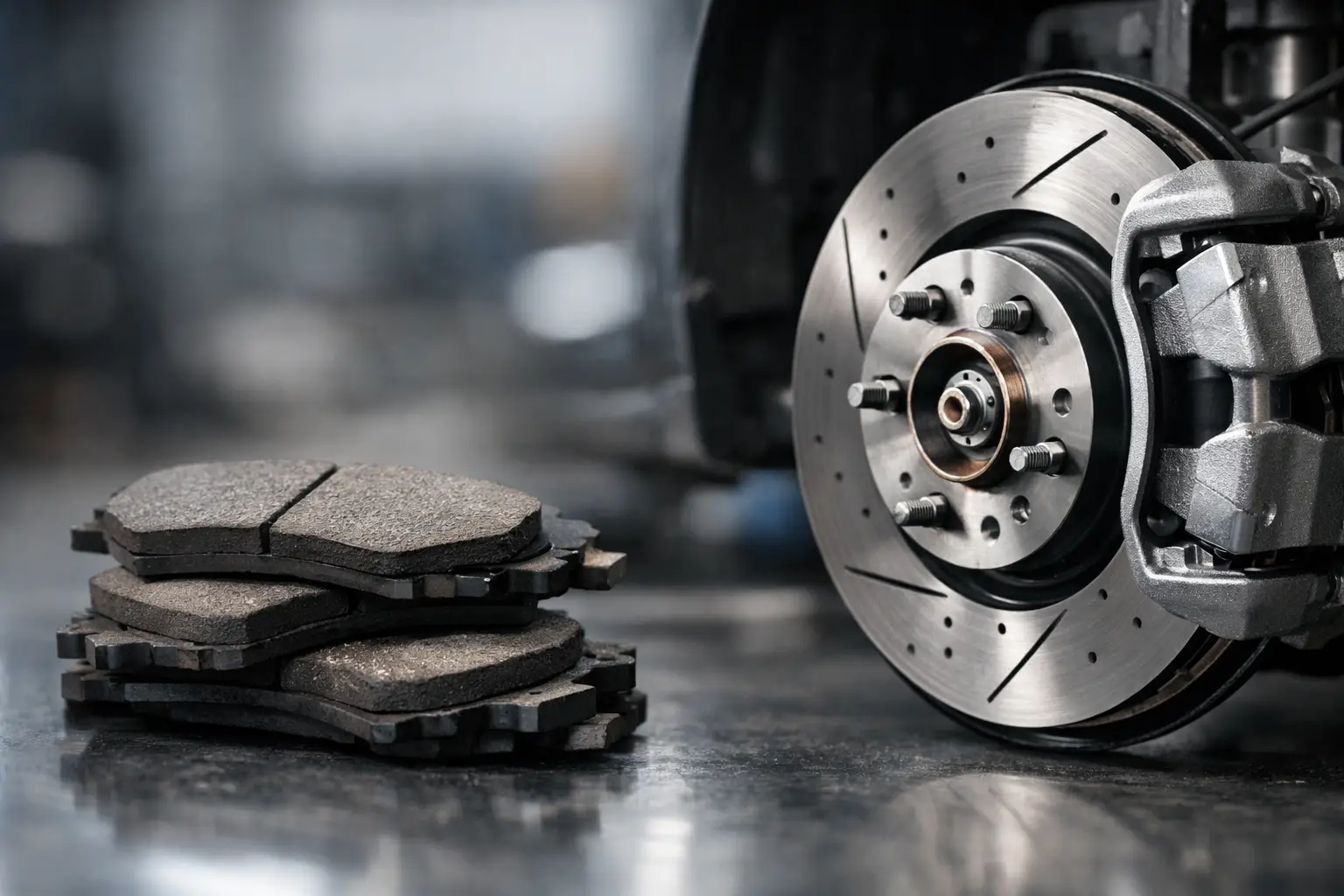
That grinding sound at a stoplight usually gets your attention fast. When drivers ask about brake pads vs rotors, what they really want to know is simple: what is worn out, what needs to be replaced, and how serious is it if they wait? The answer depends on how your brakes are wearing, how you drive, and whether the problem was caught early or after damage spread.
For most daily drivers, brake pads wear down first. They are designed to be the sacrificial part of the system. Rotors, on the other hand, are the metal discs your pads clamp onto to slow the vehicle. Both matter to your stopping power, and both affect safety, comfort, and repair cost. Knowing the difference can help you make a smarter decision when your shop recommends brake service.
Brake pads vs rotors: what each part does
Brake pads create the friction that slows your wheels. Every time you press the brake pedal, the pads squeeze against the rotors. That pressure and friction are what bring your vehicle to a stop. Since pads are made from friction material, they wear down over time just like tires do.
Rotors are the smooth metal discs attached to each wheel hub. They give the brake pads a surface to grip. Rotors are built to handle heat, but they are not indestructible. Over time, they can wear thin, become grooved, develop hot spots, or warp enough to cause vibration when braking.
If you picture the brake system as a team, the pads do the wearing and the rotors do the enduring. But once worn pads are left on too long, they stop being the only part taking damage. That is when a routine brake job can turn into a bigger repair.
Why brake pads usually wear out before rotors
Pads are meant to wear. That is normal. Depending on the vehicle, pad material, traffic, and driving habits, brake pads may last anywhere from around 25,000 to 70,000 miles. Stop-and-go commuting, heavy braking, towing, and city driving usually shorten that lifespan.
Rotors often last longer, but not always. Some rotors can make it through more than one set of pads. Others wear quickly because of heat, poor-quality pad material, aggressive driving, or simply because modern rotors are often built lighter than they used to be. That lighter design can help with efficiency, but it can also leave less extra material for resurfacing or long-term wear.
This is why there is no one-size-fits-all rule. Some vehicles need pads only. Some need pads and rotors together. A proper inspection matters more than guessing based on mileage alone.
Signs your brake pads are the issue
Worn brake pads usually give warning signs before they become a major problem. A high-pitched squeal is one of the most common. Many pads have built-in wear indicators that create that sound to tell you service is due.
You may also notice your vehicle takes longer to stop, the brake pedal feels less responsive, or the brakes make a light scraping noise. In some cases, brake dust on the wheels increases as the pads near the end of their life.
If caught at this stage, the repair is often more straightforward and less expensive. Replacing pads before they wear all the way down can help protect the rotors from damage.
Signs your rotors may need attention too
Rotor problems tend to feel different. Instead of just hearing noise, you may feel vibration in the brake pedal or steering wheel when slowing down. That can point to uneven rotor wear, heat spots, or rotor distortion.
Visible grooves on the rotor surface are another sign. So is a grinding noise, especially if the brake pads have worn down enough for metal backing to contact the rotor. At that point, the pad is no longer doing its job properly, and the rotor surface can get chewed up quickly.
Rotors can also become too thin. Every rotor has a minimum thickness specification. Once it wears past that limit, it should be replaced. Thin rotors cannot manage heat as well, and that can reduce braking performance and increase the chance of future issues.
Should you replace brake pads and rotors at the same time?
Sometimes yes, sometimes no. That is the honest answer.
If the rotors are still in good condition, within thickness specs, and have an even surface, replacing the pads alone may be perfectly reasonable. But if the rotors are grooved, warped, heat-damaged, or too thin, installing fresh pads on bad rotors is usually not a good value. The new pads may wear unevenly, braking may feel rough, and the job may need to be redone sooner.
There is also a practical side to this. Since the braking components are already apart during service, replacing worn rotors at the same time can save labor later and give you a smoother, more predictable result. For many drivers, especially those who rely on their vehicle every day, that peace of mind matters.
Resurfacing vs replacing rotors
Years ago, resurfacing rotors was more common. A machine would shave a small amount of material off the rotor to create a fresh, smooth surface. In the right situation, that can still be an option.
But many modern rotors do not have much extra thickness to work with. By the time they show wear, resurfacing may bring them too close to the minimum limit or leave them with less ability to handle heat. In those cases, replacement is often the better long-term fix.
Cost plays a role too. On some vehicles, the price difference between resurfacing and replacing is small enough that replacement simply makes more sense. A good shop should explain the trade-off clearly instead of pushing a blanket recommendation.
What affects brake wear the most?
Driving habits make a big difference. Frequent hard stops, riding the brakes downhill, and heavy traffic all speed up wear. So does hauling extra weight.
Vehicle type matters as well. Larger SUVs and trucks naturally put more load on the braking system than smaller sedans. Brake pad material also changes how the system behaves. Some pads are quieter, some produce more dust, and some are built for longer life or better performance under heat.
Houston-area driving can be tough on brakes for another reason: constant traffic. If your vehicle spends a lot of time creeping, stopping, and accelerating, your pads are working harder than a car that mostly cruises on open highway.
How much should you worry about brake noise?
Not every noise means the same thing. A brief squeak in the morning can happen because of moisture on the rotor surface. That is not unusual. A consistent squeal, scraping, grinding, or vibration is different.
Grinding is the one you do not want to ignore. It often means the pads are worn down far enough that metal is contacting metal. That can damage rotors fast and may even affect calipers if left too long. What might have been a smaller brake service can become a more expensive repair.
The safest move is simple: if your brakes sound different, feel different, or your stopping distance changes, have them checked. Brake problems do not usually fix themselves.
Brake pads vs rotors: which one costs more?
Brake pads are typically the less expensive part of the repair. Rotors add cost because of both the parts and the additional work involved. The total depends on your vehicle, the quality of the components, and whether the front, rear, or all four brakes need service.
This is where early action saves money. Replacing worn pads before they ruin the rotors is usually easier on your budget. Waiting until you hear grinding often means paying for more than just pads.
That said, the cheapest repair is not always the best one. If rotors are already compromised, cutting corners can lead to poor braking feel, uneven wear, or another visit sooner than expected. Good brake service should solve the problem completely, not just quiet it down for a week.
What to expect during a brake inspection
A proper brake inspection should include pad thickness, rotor condition, hardware condition, and a check for leaks or uneven wear. A technician should also look at how the brakes are wearing from side to side and front to rear. Uneven wear can point to sticking calipers, slide pin issues, or other problems beyond the pads themselves.
This matters because replacing parts without addressing the cause can shorten the life of the new components. Honest brake service is not just about swapping parts. It is about making sure the system is working as it should.
At Firestone1960, that kind of straightforward approach matters because most drivers are not looking for a sales pitch. They want to know what is worn, what can wait, and what keeps their vehicle safe and dependable.
When to schedule brake service
If your brakes are squealing regularly, vibrating, grinding, pulling, or taking longer to stop, it is time to schedule an inspection. Even if you are not hearing anything unusual, having your brakes checked during routine maintenance is a smart move.
Brakes rarely fail without warning. The problem is that warning signs are easy to ignore when life gets busy. Taking care of pads early can protect rotors, control repair costs, and keep your vehicle stopping the way it should.
When it comes to brake work, the goal is not to replace parts for the sake of it. The goal is to keep you and your family safe on the road with repairs that make sense for your vehicle, your budget, and how you drive every day.
Social Share:



No Comment Yet! You can post first response comment.