

08. 30. 2026
Best Maintenance Habits for Commuter Cars

A daily commute can be tougher on a vehicle than an occasional long road trip. Stop-and-go traffic, hot Houston summers, potholes, construction zones, and short drives all add wear in small increments. The best maintenance habits for commuter cars are not complicated, but they do require consistency. A few timely checks can help your car stay safe, reliable, and less expensive to own.
For most commuters, the goal is simple: start the car every morning with confidence, arrive safely, and avoid turning a small maintenance need into an unexpected repair. Here is where to focus your attention.
Follow the Maintenance Schedule, Not Just the Dashboard
Your owner’s manual gives a maintenance schedule based on mileage and time. Both matter. A car that only travels a few miles each day may not rack up mileage quickly, but short trips can still be hard on engine oil, batteries, brakes, and tires.
Oil changes are the most familiar example. Fresh oil helps protect moving engine parts, manage heat, and reduce harmful buildup. Waiting until the oil warning light comes on is risky because that light may indicate a low oil level or a problem that has already become serious. Instead, follow the recommended interval for your vehicle, taking your driving conditions into account.
Houston-area commuters may need a more watchful approach if they spend long periods idling in traffic, drive in extreme heat, tow occasionally, or make frequent short trips. These conditions can qualify as severe service for some vehicles. A trusted technician can help you determine a practical schedule without recommending maintenance you do not need.
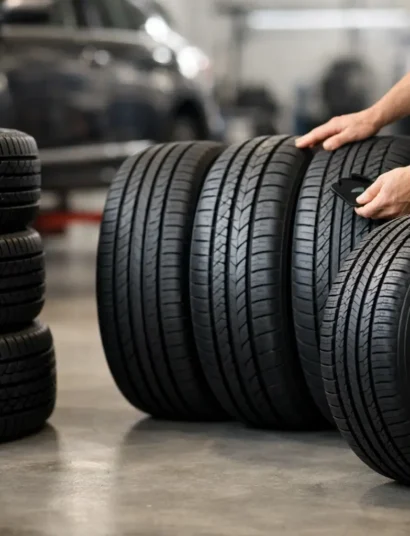
Make Tire Care a Monthly Habit
Tires affect braking, fuel economy, ride comfort, and how confidently your car handles wet roads. They are also easy to overlook until a warning light appears or the vehicle starts pulling to one side.
Check tire pressure at least once a month, preferably when the tires are cold. The correct pressure is listed on the driver’s door jamb label, not the number printed on the tire sidewall. Pressure changes with temperature, and a slow leak can leave one tire underinflated before it looks visibly low.
Look over the tread while you check pressure. Uneven wear along one edge, bald spots, cracks, or bulges deserve attention. Uneven wear often points to an alignment, suspension, or inflation issue. Replacing tires without correcting the underlying cause can mean the new set wears out early.
Tire rotations are equally valuable for commuter cars. Front and rear tires often wear at different rates, especially on front-wheel-drive vehicles. Rotating them at the recommended interval helps all four tires wear more evenly and can extend their useful life.
Do Not Ignore a New Vibration or Pull
A steering-wheel vibration at highway speed may be caused by an out-of-balance tire, a damaged wheel, or an issue with a tire itself. A pull to one side can be related to alignment, tire pressure, road crown, or brake concerns. It depends on when the symptom happens and how consistent it is, but neither issue should be treated as normal.
North Houston roads can be rough on wheels and alignments. If you hit a pothole or curb, notice uneven tread wear, or find yourself constantly correcting the steering wheel, schedule an inspection. An alignment is not just about keeping the wheel straight. It helps protect your tires and supports predictable handling.
Pay Attention to Brakes Before They Become Urgent
Commuting means repeated braking, particularly in heavy traffic. Brake pads, rotors, brake fluid, calipers, and hoses all work together, so a change in pedal feel or stopping performance deserves a professional look.
Common warning signs include squealing or grinding noises, vibration when braking, a soft or spongy pedal, a vehicle that pulls during braking, or a brake warning light. Grinding is especially urgent because worn pads can damage rotors and raise the cost of the repair.
Do not judge brakes by sound alone. Some brake noise can occur after rain or when a vehicle has been sitting overnight. But noise that continues, gets louder, or comes with vibration should not wait. Routine brake inspections make it easier to replace wear items at the right time rather than dealing with damage later.
Protect the Battery and Electrical System From Heat
Many drivers expect batteries to fail in winter, but Texas heat is often the bigger threat. High temperatures accelerate internal battery wear, and a battery can seem fine until it suddenly does not have enough power to start the engine.
Have the battery tested during regular service, especially once it reaches three years of age. Check for corrosion around the terminals, slow cranking, dim headlights, flickering electronics, or a battery warning light. These symptoms may involve the battery, alternator, cables, or another electrical issue, so testing is better than guessing.
If your commute is mostly short trips, the battery may not get enough time to fully recharge after starting the vehicle. A longer drive now and then can help, but it is not a cure for a weak battery. Testing gives you a clearer answer and can prevent the inconvenience of being stranded at home, work, or school pickup.
Watch Fluid Levels and Small Leaks
Engine oil is only one fluid your commuter car needs. Coolant controls engine temperature, brake fluid supports braking performance, transmission fluid protects internal components on many vehicles, and windshield washer fluid is a practical safety item during bugs, pollen, and sudden rain.
Check for fresh spots under the vehicle and do not assume every leak is minor. Clear water dripping under the car may simply be air-conditioning condensation, which is normal during humid weather. Dark oil, colored coolant, reddish transmission fluid, or a persistent wet area should be inspected.
The temperature gauge also matters. If the gauge climbs higher than normal, steam comes from under the hood, or a coolant warning light appears, pull over safely and let the vehicle cool. Continuing to drive an overheating engine can turn a cooling-system repair into major engine damage.
Keep an Eye on Warning Lights and New Noises
Modern vehicles are good at telling you when they need attention, but warning lights are only useful when drivers respond to them. A check engine light can be something minor, such as a loose fuel cap, or it can signal an issue affecting fuel economy, emissions, or engine performance. If the light flashes, reduce driving and seek service promptly, as this can indicate an active misfire that may damage the catalytic converter.
New sounds also tell a story. A clicking noise while turning, a clunk over bumps, a humming sound that rises with speed, or a squeal during startup can all point to different systems. You do not need to diagnose the vehicle yourself. Simply notice when the sound occurs, where it seems to come from, and whether it is getting worse. That information helps technicians inspect the right areas efficiently.
Best Maintenance Habits for Commuter Cars Start With Simple Records
Keep a basic record of oil changes, tire rotations, brake work, inspections, and repairs. Your phone’s notes app is enough. Record the date, mileage, service performed, and any recommendations for future work.
This habit helps you avoid duplicate services and makes it easier to spot patterns. For example, repeated tire pressure loss in the same wheel may suggest a slow puncture or wheel-sealing issue. Frequent alignment needs may indicate worn suspension components or driving conditions worth discussing with a technician.
Service records also help when you sell or trade in your vehicle. A well-documented maintenance history gives the next owner more confidence and shows that the car has been cared for responsibly.
Build a Relationship With a Shop You Trust
A reliable shop should explain what it found, why it matters, and what can wait. Not every recommendation has the same urgency. A worn tire with exposed cords, a brake issue, an overheating concern, or a flashing check engine light should be handled quickly. A cabin air filter or lightly worn wiper blade may be reasonable to plan for later.
At Firestone1960, our approach is to help local drivers make clear, informed decisions about their vehicles. Routine maintenance, tire service, alignments, inspections, diagnostics, and repairs are easier when one team understands your car’s history and your daily driving needs.
Your commuter car does not need constant attention, but it does need regular attention. Check the basics, respond early to changes, and give small concerns a chance to be fixed before they interrupt your next workday.
Social Share:


No Comment Yet! You can post first response comment.