

09. 29. 2026
Car Electrical Diagnosis Guide for Warning Signs
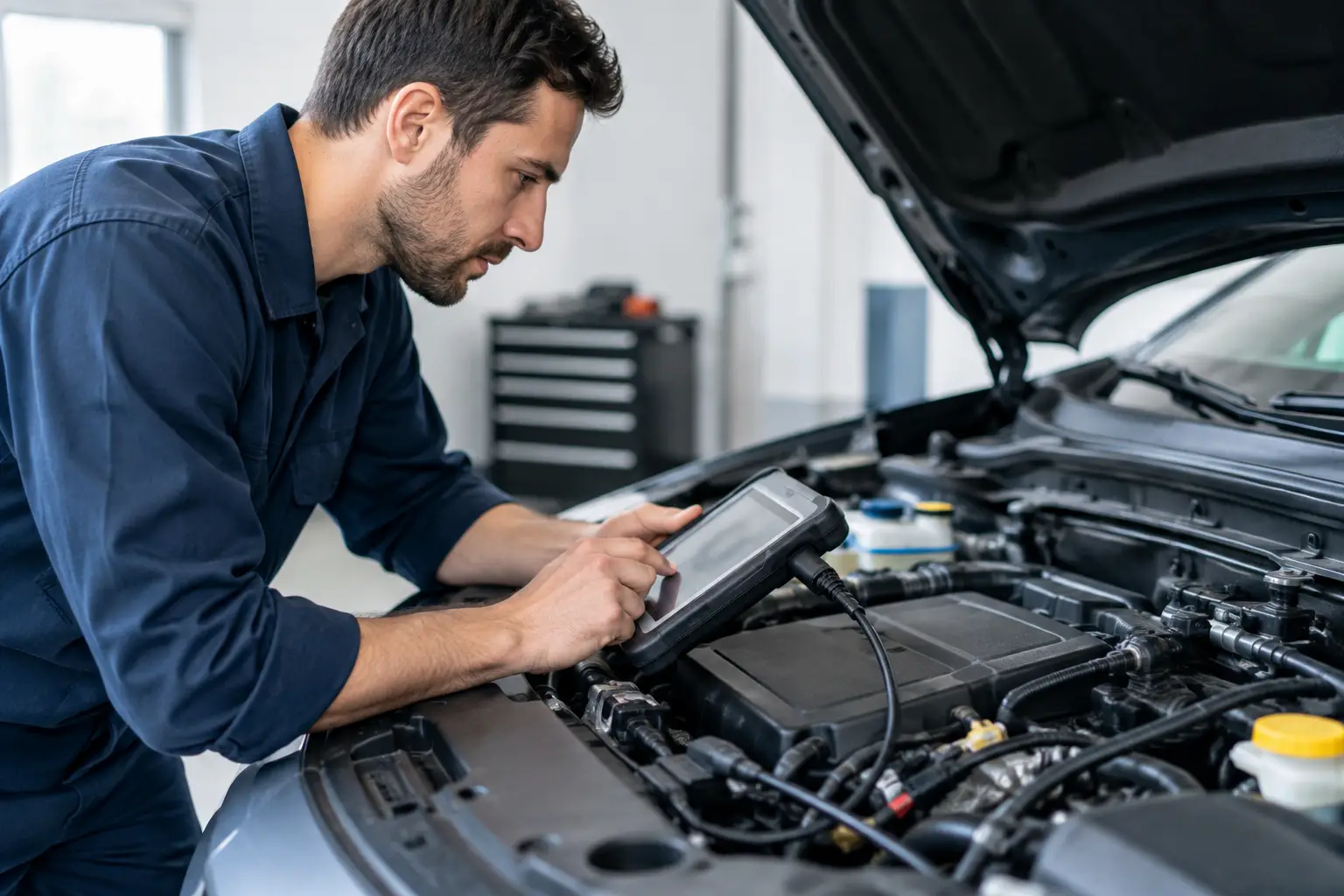
A car that will not start at the grocery store, headlights that dim at a stoplight, or a dashboard full of warning lights can turn an ordinary day into a major hassle. This car electrical diagnosis guide explains what those symptoms may mean, what you can safely check first, and when it is time to let a qualified technician test the system properly.
Modern vehicles rely on far more than a battery and a few wires. The electrical system powers the starter, charging system, lighting, safety features, computer modules, power accessories, and sensors that help the engine run correctly. Because several parts can create similar symptoms, replacing a part based on a guess can be expensive and may not solve the problem.
A Car Electrical Diagnosis Guide Starts With the Symptoms
The most useful first step is to notice exactly what the vehicle does. Does it crank slowly, make one click, crank normally but fail to start, or have no response at all? Does the issue happen only after the vehicle sits overnight, after a short drive, or when the engine is hot? Those details help narrow down the cause.
A slow crank often points toward a weak battery, dirty battery terminals, poor cable connections, or a starter drawing too much current. A rapid clicking sound may mean the battery does not have enough power to engage the starter. One solid click with no crank can indicate a starter or connection issue, although a weak battery should still be ruled out first.
If the engine starts but the battery warning light comes on, the charging system needs attention. The alternator may not be producing enough voltage, but the problem could also involve a loose drive belt, damaged wiring, corroded connections, or a failing battery that cannot hold a charge. The warning light does not automatically mean the alternator is bad.
Electrical trouble is not always a no-start issue. Flickering lights, intermittent power windows, a radio that resets, blown fuses, a burning odor, or accessories that work only sometimes all deserve a closer look. An intermittent issue can be particularly frustrating, but it is often a clue that a connector, ground wire, switch, or harness is loose or damaged.
Start With a Safe Visual Inspection
Before using a meter or buying a replacement part, look for visible problems. With the engine off, inspect the battery case for swelling, cracks, leaking fluid, or heavy corrosion around the terminals. A swollen battery should be replaced promptly. Houston heat can shorten battery life, especially when a vehicle is parked outside for long periods.
Check that the battery terminals and cable ends are tight. White, blue, or green buildup can interrupt current flow even when the battery itself is still usable. Also look for frayed cables, loose ground straps, damaged insulation, and signs that rodents may have chewed wiring under the hood.
Pay attention to fuses, but do not assume a blown fuse is the main failure. A fuse normally blows because a circuit drew too much current or shorted to ground. Installing a new fuse without finding the reason it failed can lead to another blown fuse or, in some cases, damage to the wiring. Never replace a fuse with one rated for more amps than the vehicle specifies.
Check the Battery Before Blaming the Alternator
A battery can have enough power to turn on interior lights and still be too weak to start the engine. Lights require much less current than the starter motor. Age matters as well. Many conventional vehicle batteries last roughly three to five years, but climate, driving habits, and electrical demand affect that timeline.
A fully charged, rested 12-volt battery generally measures around 12.6 volts with the engine off. A reading closer to 12.2 volts indicates a low state of charge, but voltage alone does not confirm battery health. A proper load test checks whether the battery can deliver current under demand.
This is where professional testing provides real value. A technician can test the battery, inspect terminal condition, evaluate cable voltage drop, and determine whether the battery is simply discharged or has an internal failure. Replacing a battery that only needed a charging-system repair may leave you with the same problem a few days later.
Jump-starting can get a vehicle moving, but it is not a diagnosis. If the engine starts with a jump and then dies shortly afterward, the charging system may not be keeping the battery charged. If it starts and runs normally, the battery may still be weak, or the vehicle could have a parasitic draw that drained it while parked.
Understand What the Alternator and Starter Do
The alternator generates electrical power while the engine runs and recharges the battery after starting. Common alternator-related symptoms include a battery warning light, dimming headlights, repeated dead-battery situations, electrical accessories acting strangely, or a whining sound that changes with engine speed.
However, alternator output should be measured rather than guessed. Most vehicles show a charging voltage higher than resting battery voltage while running, often in the mid-13 to mid-14 volt range. Exact specifications vary by vehicle, and many newer systems adjust charging voltage based on battery condition, temperature, and electrical load. That is why a single voltage reading does not always tell the complete story.
The starter uses battery power to crank the engine. A failing starter may click, grind, crank inconsistently, or work after several attempts. But a corroded cable or weak battery can mimic a bad starter. Testing current draw and voltage drop under load helps separate a starter failure from a power-delivery problem.
Why Wiring and Ground Connections Matter
Electricity must travel through both the positive side of a circuit and the ground path. A loose or corroded ground connection can create odd symptoms that seem unrelated, such as warning lights appearing together, gauges behaving erratically, or one accessory affecting another.
Wiring problems can develop from heat, vibration, collision damage, water intrusion, aging insulation, and previous repairs. A wire may look fine from the outside while broken strands inside the insulation create an intermittent connection. Tracking down that type of issue takes more than swapping parts. It often requires wiring diagrams, scan-tool data, voltage-drop testing, and careful inspection while the circuit is operating.
Be cautious around airbag wiring, anti-lock brake components, and hybrid or electric vehicle systems. These circuits can affect critical safety features, and high-voltage systems require specialized training and equipment. A basic home test is not worth the risk.
Use Warning Lights and Scan Codes the Right Way
A check engine light or battery warning light gives a direction, not a final answer. Diagnostic trouble codes identify a circuit or operating condition that the vehicle computer noticed. They do not always identify the failed part.
For example, a code related to low system voltage may result from a weak battery, poor ground, faulty alternator, cable resistance, or a module that stayed awake after the vehicle was turned off. Clearing the code may turn off the light temporarily, but it will not repair the cause.
A complete diagnostic process includes scanning for codes, checking live data, testing the battery and charging system, inspecting related wiring, and confirming the repair afterward. That approach protects drivers from paying for unnecessary parts and helps prevent the same issue from returning.
When a Dead Battery Keeps Coming Back
If a battery repeatedly dies after the vehicle sits, a parasitic draw may be present. Some electrical draw is normal because memory settings, security systems, and computer modules need small amounts of power. The concern begins when a module fails to go to sleep or an accessory continues drawing more power than it should.
Aftermarket alarms, dash cameras, audio equipment, phone chargers, damaged glove-box lights, and sticking relays can all contribute. Finding the cause requires measuring draw after the vehicle enters sleep mode, then isolating circuits without waking up the modules and changing the reading. It is a precise process, especially on newer vehicles.
When to Schedule Professional Electrical Diagnosis
Schedule service promptly if the battery warning light is on, the vehicle stalls while driving, you smell burning plastic, fuses continue to blow, or starting becomes unreliable. Those problems can leave you stranded and, in the case of overheated wiring, may create a safety concern.
For North Houston drivers, Firestone1960 can inspect the battery, starter, alternator, wiring, and related electronic systems with a clear explanation of what is found. The goal is not to sell a part based on a symptom. It is to identify the actual source of the problem and recommend the repair that makes sense for your vehicle.
If your car is giving you small electrical warnings now, do not wait for a no-start morning to force the issue. A timely test can protect your schedule, your budget, and the confidence that your vehicle will be ready when you need it.
Social Share:





No Comment Yet! You can post first response comment.