

10. 1. 2026
Car Inspection After a Minor Accident Checklist
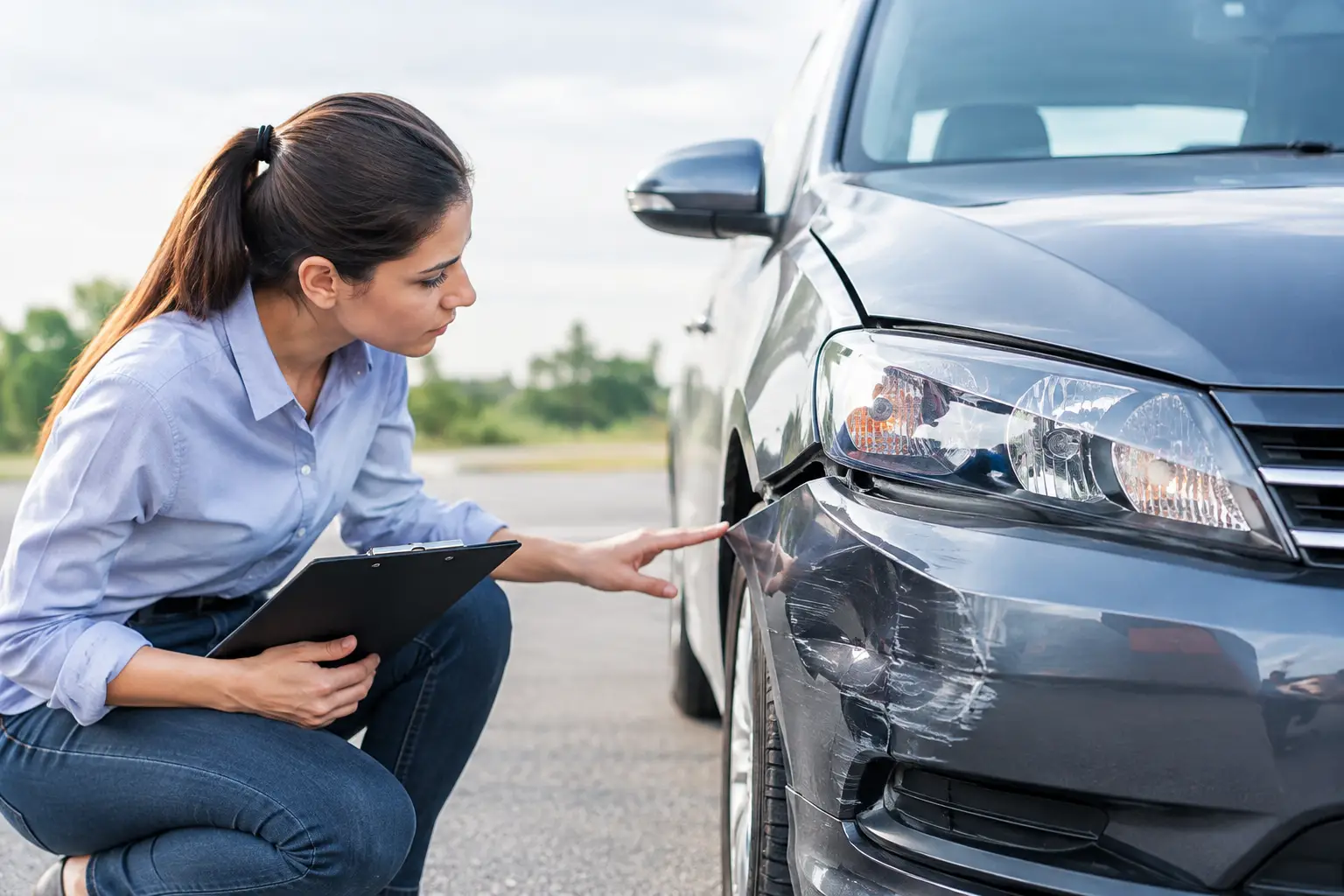
A car inspection after minor accident damage is one of the smartest steps you can take, even when your vehicle seems to drive normally. A low-speed bump in a parking lot, a curb strike, or a light rear-end collision can affect more than the visible bumper cover. Tires, wheels, suspension parts, sensors, and safety systems can all take a hit without creating an obvious problem right away.
For drivers in North Houston, daily commuting, uneven roads, heavy rain, and highway traffic can turn a small accident-related issue into a bigger repair if it is ignored. Having the vehicle checked promptly gives you a clear picture of its condition and helps protect the safety, handling, and value of your car.
Why a Minor Accident Can Cause Major Concerns
Modern vehicles are designed to absorb impact. That is good for protecting passengers, but it also means the energy from a small collision may be transferred to parts behind the bumper, under the vehicle, or around the wheels. A bumper can look fine while its mounting brackets, reinforcement bar, wiring, or sensors need attention.
The same is true after striking a curb or pothole. You may not see damage from the driver’s seat, but a bent wheel, damaged tire sidewall, or shifted alignment angle can cause uneven tire wear and affect how your vehicle responds in an emergency.
Not every minor accident requires extensive repairs. Sometimes the inspection confirms that the vehicle is safe and only needs cosmetic work. The point is to know, rather than guess. An honest inspection helps you avoid paying for repairs you do not need while catching issues that could become expensive later.
Signs You Should Schedule a Car Inspection After a Minor Accident
Some warning signs are immediate. Others may show up over the next few days as you return to your usual driving routine. If anything feels different, it is worth having a technician take a closer look.
Pay attention if your steering wheel is off-center, the vehicle pulls to one side, or you notice a new vibration at highway speed. These symptoms can point to wheel, tire, alignment, or suspension concerns. A scraping sound when turning, a clunk over bumps, or a change in braking feel also deserves prompt attention.
Warning lights should never be ignored after an impact. A check engine light, airbag light, traction control light, tire pressure light, or parking sensor alert may be related to damaged wiring, a disturbed sensor, or a system that needs recalibration. Even if the light comes and goes, a diagnostic scan can identify stored fault codes.
You should also look for practical signs around the vehicle: fluid spots under the car, a loose bumper or underbody panel, a tire that is losing air, doors or the trunk that no longer close smoothly, or a headlight that points in a different direction. These issues may seem small, but they can affect safety and lead to further damage if left unresolved.
What a Professional Inspection Should Cover
A quality car inspection after a minor accident should go beyond a quick walk-around. The exact scope depends on where the impact occurred, how fast the vehicle was moving, and whether a wheel or curb was involved.
Tires, Wheels, and Alignment
If the impact involved a curb, pothole, front corner, or rear corner, the tires and wheels should be examined carefully. A tire sidewall can be damaged without a flat, and a wheel can be slightly bent while still holding air. Both conditions can create vibration, handling problems, or a future blowout risk.
A technician can also check tire wear patterns and inspect the wheel alignment. Alignment is not just about keeping the steering wheel straight. Proper alignment helps your tires wear evenly, improves handling, and keeps the vehicle tracking predictably on wet Houston roads. If alignment angles are out of specification, the shop can determine whether an adjustment is enough or whether a suspension component has been bent or loosened.
Brakes and Suspension Components
A front or rear impact can affect more than the bumper. Depending on the vehicle and point of contact, an inspection may include the control arms, tie rods, shocks or struts, sway bar links, wheel bearings, and mounting points.
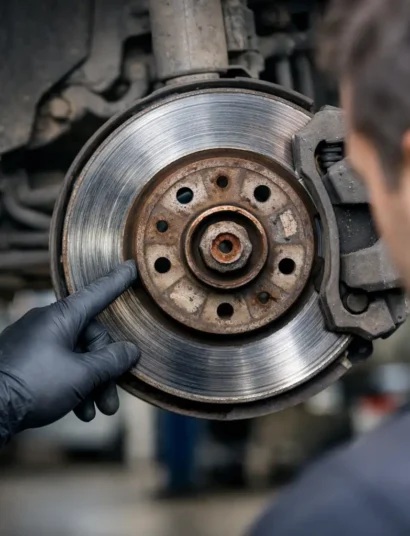
Brake components also deserve attention if a wheel took the impact. A damaged wheel, loose splash shield, or shifted suspension part can interfere with normal brake operation. If the brake pedal feels soft, the vehicle pulls while braking, or you hear grinding, do not wait for your next routine service. Those symptoms call for an inspection as soon as possible.
Bumpers, Lights, and Underbody Protection
Plastic bumper covers can hide damage behind them. The technician may inspect bumper supports, brackets, clips, absorbers, and reinforcement components to make sure everything is secure. Loose panels can create road noise, rub against tires, or detach while driving.
Headlights, taillights, turn signals, and fog lights should be tested after any impact near a corner of the vehicle. Cracked housings can allow moisture inside, while misaligned headlights can reduce nighttime visibility. Underbody panels should also be checked, especially after driving over debris or striking a parking block.
Sensors, Cameras, and Safety Systems
Many newer vehicles use parking sensors, backup cameras, blind-spot monitoring, radar sensors, and advanced driver-assistance features. A minor impact near the bumper can disrupt these systems even if there is no obvious visible damage.
A warning light is an obvious reason to inspect the system, but proper operation should not be assumed just because no message appears on the dashboard. Some vehicles require sensor calibration after bumper work or alignment changes. This is especially important if your vehicle uses collision warnings, lane assistance, or automatic emergency braking.
What You Can Check Before You Bring It In
You do not need to diagnose your vehicle yourself, but a few simple observations can help explain the situation clearly. Take photos of the damage before it is cleaned or repaired, including the surrounding area and any tire or wheel contact. If you filed an insurance claim, these photos can be useful later.
Walk around the vehicle in good lighting. Look for uneven gaps around the hood, trunk, doors, headlights, and bumper. Check for loose trim, cracked lenses, leaking fluid, or a tire that looks low. Inside the car, notice any new warning lights or messages.
On a short drive, listen for unfamiliar noises and pay attention to steering, braking, and vibration. Do not test the vehicle aggressively or ignore a serious symptom to “see if it goes away.” If a tire is damaged, steering feels unstable, fluids are leaking, or an airbag warning light is on, it is safer to have the vehicle inspected before driving farther.
Insurance, Estimates, and Repair Decisions
Whether you involve insurance depends on the damage, your deductible, fault, and the cost of repair. For a small cosmetic scuff, paying out of pocket may make sense. For damage involving sensors, suspension, wheels, lights, or safety equipment, a professional inspection and written estimate give you better information before deciding.
Keep in mind that visible damage is not always the full story. An estimate may need to account for parts behind a bumper cover or underneath the car. A trustworthy shop should explain what was found, why it matters, and which repairs are urgent versus which can be monitored.
There can be trade-offs. Replacing a damaged tire may be necessary for safety, but on some all-wheel-drive vehicles, differences in tread depth can affect the drivetrain. A technician can help you understand whether one tire, a matching pair, or a full set is the right recommendation for your vehicle.
Do Not Let a Small Hit Become a Long-Term Problem
A minor accident does not always mean major repairs, but it should not be dismissed based on appearance alone. The sooner you inspect the vehicle, the easier it is to document damage, address safety concerns, and prevent issues like uneven tire wear or suspension stress from growing over time.
If your vehicle feels different after a bump, curb strike, or low-speed collision, bring it to a shop that will inspect it carefully and explain the results in plain language. At Firestone1960, drivers can get practical guidance, quality repairs, and the confidence to get back on the road safely.
Social Share:


No Comment Yet! You can post first response comment.