

10. 7. 2026
Car Maintenance for New Drivers Made Simple
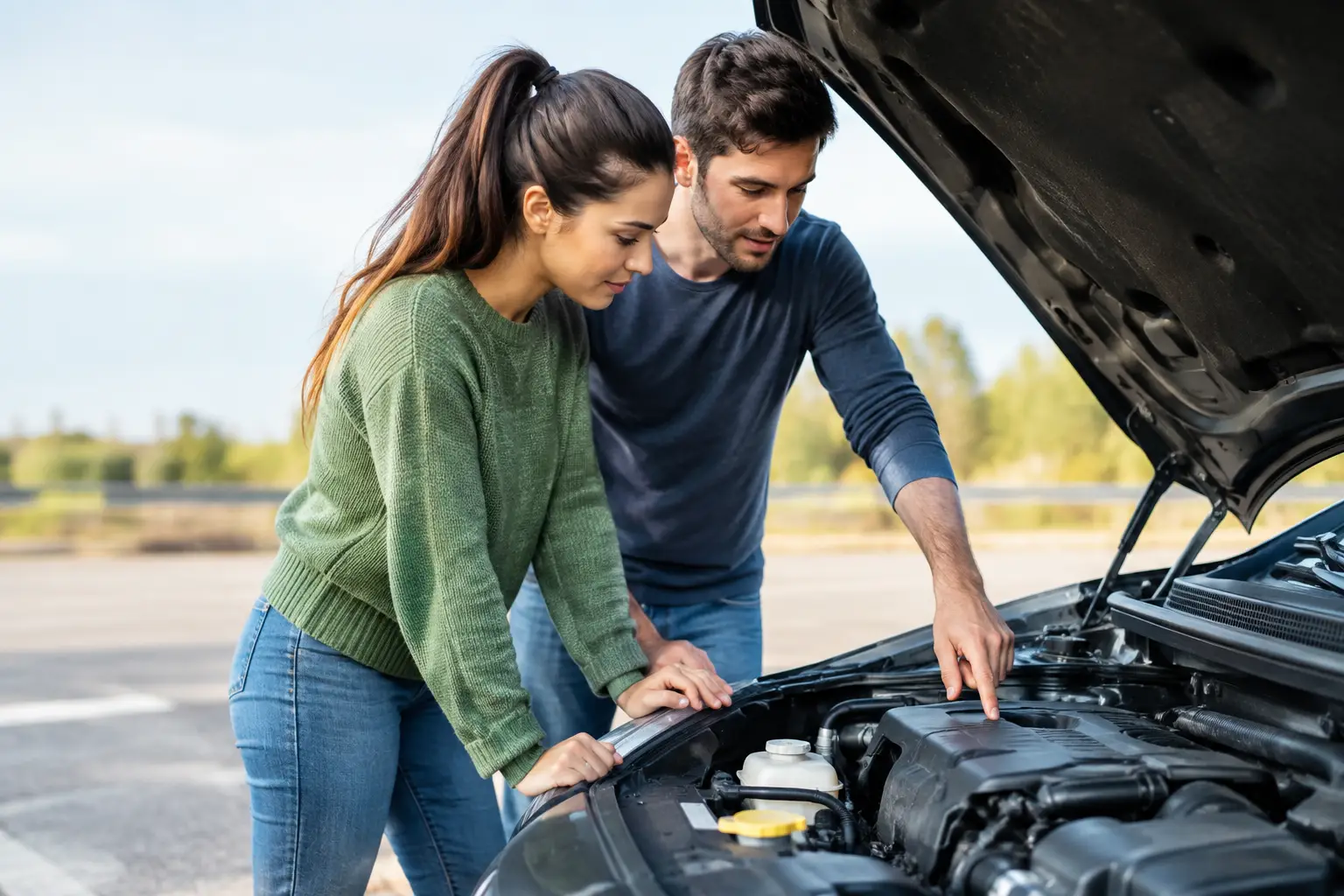
That first car brings freedom, but it also brings responsibility. Car maintenance for new drivers does not require you to become a mechanic. It means learning a few simple habits, noticing changes before they become expensive problems, and knowing when it is time to bring your vehicle to a trusted shop.
For Houston-area drivers, routine care matters even more. Long commutes, stop-and-go traffic, summer heat, sudden rain, and rough road conditions can all put extra stress on tires, brakes, batteries, and fluids. A little attention now can help you avoid a breakdown when you need your car most.
Start With Your Owner’s Manual
Your vehicle’s owner’s manual is the best place to find its recommended maintenance schedule. Every make and model has different needs, including the right oil type, tire pressure, fluid specifications, and service intervals. The maintenance section tells you what should be inspected or replaced based on mileage and, in some cases, time.
Do not rely only on a sticker in the corner of the windshield or what a friend says their car needs. Modern vehicles can have very different requirements. Following the manufacturer’s schedule helps protect your warranty, supports better performance, and gives your technician a clear maintenance history to work from.
If you bought a used vehicle and are not sure what service has already been completed, start with a full inspection. It is often smarter to establish a baseline than to assume the previous owner kept up with every recommended service.
The Monthly Checks Every New Driver Should Know
You do not need special equipment for a basic walk-around. Once a month, take five minutes to look over your vehicle before a busy week or a longer drive. Check your tires for visible damage, low tread, nails, or uneven wear. Look under the car for fresh fluid spots, and pay attention to whether any dashboard warning lights are on.
Tire pressure deserves special attention. Tires naturally lose air over time, and temperature swings can change pressure quickly. Driving on underinflated tires can reduce fuel economy, hurt handling, wear out the tire faster, and increase the risk of a blowout. Check pressure when the tires are cold and use the pressure listed on the driver’s door jamb, not the maximum number printed on the tire sidewall.
Also check your lights. Have someone stand outside while you test headlights, brake lights, turn signals, and reverse lights. A burned-out bulb may seem minor, but it affects your visibility and makes it harder for other drivers to predict your next move.
Oil Changes Are About More Than Fresh Oil
Engine oil lubricates moving parts, helps manage heat, and carries away contaminants. When oil becomes old or low, engine parts can wear more quickly. Ignoring oil service for too long can turn an affordable maintenance visit into a major repair.
The right oil change interval depends on your vehicle, the oil it uses, and how you drive. Short trips, extended idling, heavy traffic, towing, and high Texas temperatures can be harder on an engine than steady highway driving. Your oil-life monitor can be useful, but it should be paired with the schedule in your owner’s manual and regular checks for leaks or low oil levels.
If the oil warning light comes on while driving, do not treat it like a routine reminder. Safely pull over as soon as possible and turn off the engine. That light can signal low oil pressure, which needs prompt attention.
Tires, Rotation, and Alignment Work Together
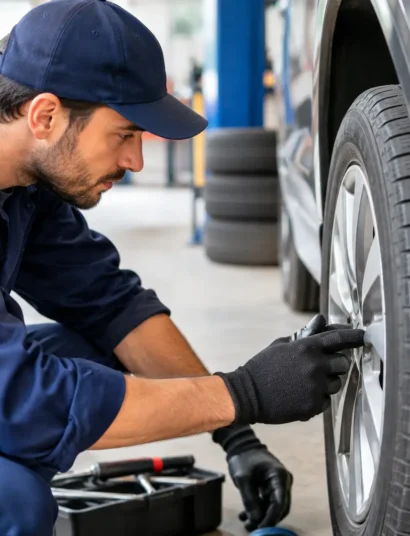
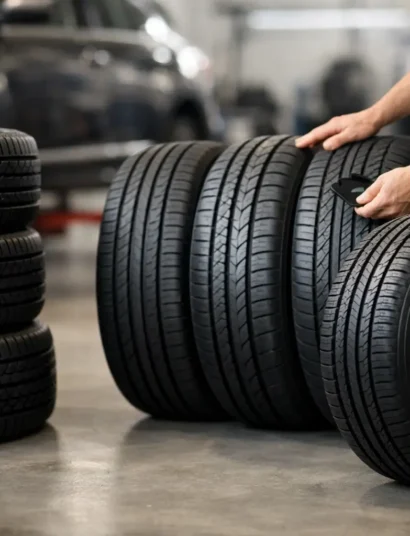
Your tires are the only part of your car that touches the road. Their condition affects braking, steering, fuel efficiency, and safety in wet weather. Check tread depth regularly and watch for uneven wear. Wear on one edge, feathered tread, vibration through the steering wheel, or a vehicle that pulls to one side can point to an alignment, suspension, or tire issue.
Tire rotation helps tires wear more evenly because front and rear tires often do different jobs. Front tires, for example, handle much of the steering and braking load. Many vehicles benefit from rotations about every 5,000 to 7,500 miles, but your manual and tire type should guide the exact interval.
Wheel alignment is not the same as tire balancing. Alignment adjusts the angles of the wheels so they meet the road correctly. Balancing addresses uneven weight distribution in a wheel and tire assembly. Both can improve ride quality and help protect tire life, but they solve different problems.
Do Not Wait for Brakes to Get Loud
Brake problems are easier and less costly to address when caught early. A light squeal can sometimes be caused by moisture or brake dust, but repeated squealing, grinding, vibration when braking, a soft pedal, or a brake warning light should be checked soon. Grinding may mean the brake pads have worn down enough to damage the rotors.
New drivers sometimes hesitate because they are worried a shop will recommend more than they need. A trustworthy technician should explain what was found, show you the concern when possible, describe the urgency, and give you a clear estimate before work begins. You should never feel pressured to approve a repair you do not understand.
Brake service is not something to postpone until the next oil change if the car feels different. Your ability to stop safely is too important.
Keep an Eye on Fluids and the Battery
Your car relies on several fluids to operate correctly. Engine oil gets the most attention, but coolant, brake fluid, transmission fluid, windshield washer fluid, and power steering fluid on applicable vehicles matter too. Some fluid reservoirs are easy to check, while others should be inspected by a professional to avoid contamination or an inaccurate reading.
Never open a hot radiator cap. If you notice a sweet smell, steam from under the hood, an overheating gauge, or coolant on the ground, stop driving when it is safe. Overheating can cause serious engine damage quickly.
Batteries also work harder in extreme heat. Signs of a weak battery include slow cranking, dim lights, electrical accessories acting strangely, or needing frequent jump-starts. Battery terminals should be clean and secure, and most batteries should be tested periodically, especially before summer or a road trip.
Learn What Your Dashboard Is Telling You
Dashboard lights are your car’s way of asking for attention. Some are reminders, while others signal a problem that should not wait. A check engine light can be caused by something as simple as a loose gas cap, but it can also indicate an emissions, fuel, ignition, or sensor issue. If it is flashing, reduce driving and have the vehicle inspected promptly, as a flashing light can indicate an engine misfire that may damage the catalytic converter.
A red oil-pressure light, brake warning light, overheating warning, or battery charging warning deserves immediate attention. If you are unsure whether it is safe to continue driving, pull over safely and call for guidance. Continuing to drive with the wrong warning light can turn a manageable repair into a much larger one.
Build a Maintenance Routine You Can Actually Keep
The most effective car maintenance routine is one you will follow. Keep service receipts in your glove box or save them in a notes app. Record the date, mileage, work completed, and any recommendations for future service. This makes it easier to budget, spot repeat problems, and show maintenance history if you sell or trade in the vehicle later.
A practical routine may include a monthly tire-and-light check, regular oil changes, tire rotations at the recommended interval, and a professional inspection before a major road trip. You may need service sooner if you drive high mileage, spend a lot of time in traffic, haul heavy loads, or notice a change in how your car drives.
For new drivers, the goal is not perfection. It is paying attention. When something sounds, smells, feels, or looks different, trust that observation and get an honest opinion. At Firestone1960, our team helps North Houston drivers understand what their vehicle needs now, what can be planned for later, and how to keep their cars dependable for the miles ahead.
A well-maintained car gives you more than a smoother ride. It gives you confidence every time you turn the key.
Social Share:


No Comment Yet! You can post first response comment.