

10. 3. 2026
Engine Diagnostic Guide for Warning Lights
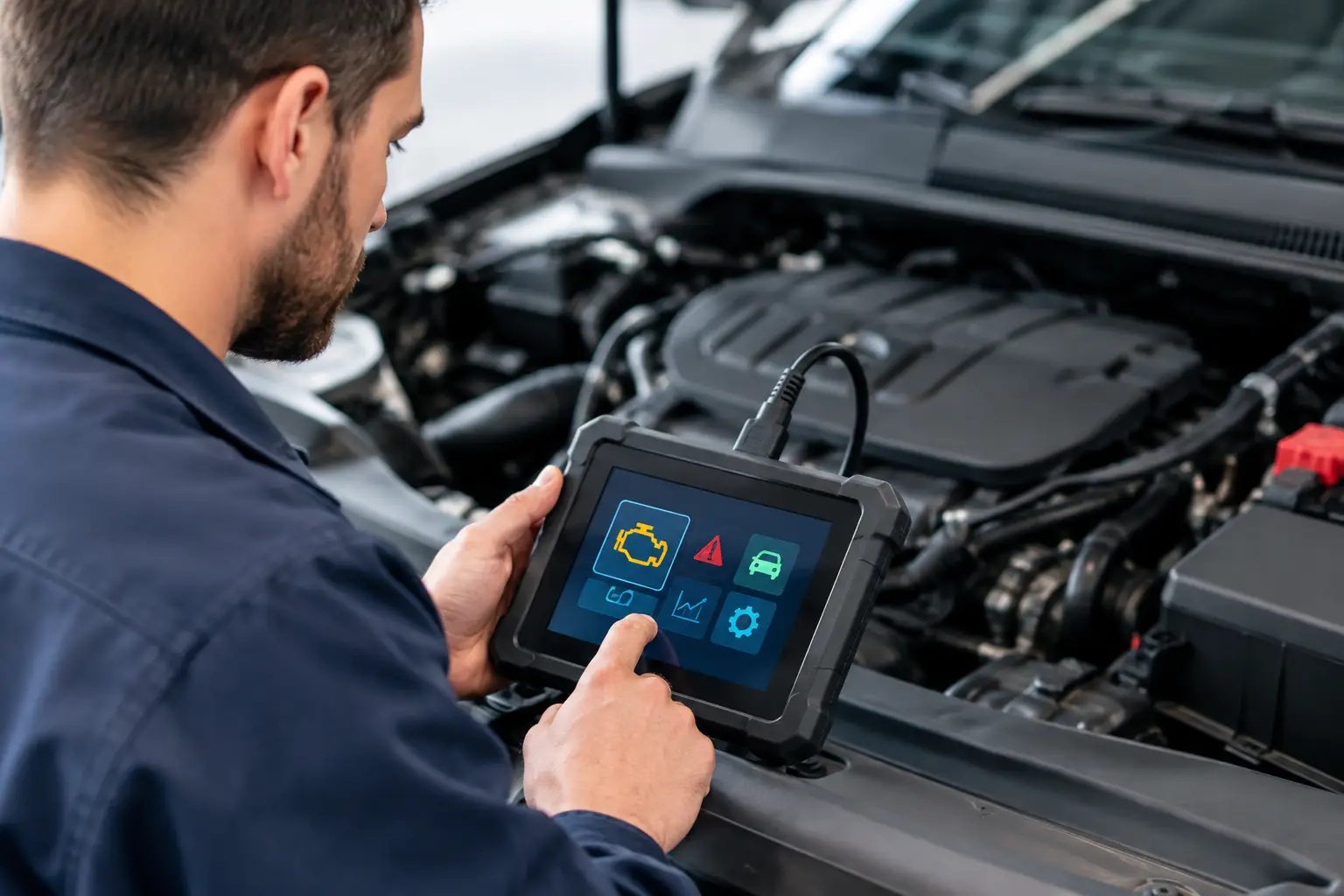
A warning light can turn an ordinary Houston commute into a stressful guessing game. This engine diagnostic guide for warning lights helps you sort out what needs immediate attention, what can wait for a prompt appointment, and why a professional diagnosis is often the smartest next step.
Your dashboard is not trying to tell you exactly which part to replace. It is alerting you to a system that needs attention. A check engine light may relate to something as simple as a loose gas cap or as involved as a misfire, sensor failure, fuel-system issue, or emissions problem. The light is the starting point, not the complete answer.
Start With the Color and Behavior of the Light
Warning lights are designed to get your attention at different levels. Red lights generally signal a condition that could affect safety or cause major vehicle damage. Yellow or amber lights usually mean service is needed soon, but they do not always require you to pull over immediately. Green and blue indicators are usually informational, such as headlights or high beams being on.
The way a light behaves matters just as much as its color. A light that comes on steadily may allow you to drive carefully to a repair shop. A light that flashes, especially a flashing check engine light, calls for more caution. Flashing often points to an active engine misfire, which can send unburned fuel into the exhaust system and damage the catalytic converter.
If the vehicle is shaking, losing power, overheating, smoking, making loud new noises, or showing a red warning light, find a safe place to stop. Continuing to drive can turn a manageable repair into a much larger one.
The Check Engine Light: Common, But Never One-Size-Fits-All
The check engine light is the dashboard warning drivers see most often. It can appear because the vehicle’s computer detected a reading outside its expected range. That could involve the engine, emissions controls, ignition system, fuel delivery, air intake, or related electrical circuits.
A loose or damaged fuel cap can trigger the light because it affects the evaporative emissions system. In that situation, tightening the cap until it clicks and driving normally for a few trips may allow the light to reset. If it stays on, however, the vehicle still needs to be tested. Guessing at parts based on the light alone can waste time and money.
A steady check engine light with normal driving behavior is usually a reason to schedule diagnostics soon. Avoid hard acceleration, heavy towing, and putting off routine maintenance while you wait. A flashing check engine light is different. Reduce speed, avoid heavy load, and arrange service as soon as possible. If the engine is running rough, it is best not to continue driving.
Why a Code Scan Is Not the Same as a Diagnosis
Modern vehicles store diagnostic trouble codes when the computer detects an issue. These codes are useful because they point a technician toward the affected system. They do not automatically identify the failed part.
For example, a code related to an oxygen sensor may be caused by the sensor itself, damaged wiring, an exhaust leak, a vacuum leak, or an engine performance problem that is changing exhaust readings. Replacing the first part named by a code can create an expensive cycle of trial and error.
A proper engine diagnostic process may include checking code details and freeze-frame data, inspecting wiring and hoses, testing battery voltage, evaluating fuel and ignition performance, and confirming the repair after the issue is corrected. This approach helps protect your vehicle and your budget.
Warning Lights That Need Immediate Attention
Some dashboard warnings should never be treated as an inconvenience to handle later. These conditions can affect your ability to steer, brake, or keep the engine from severe damage.
Oil Pressure Warning Light
The oil pressure light is usually red and often resembles an oil can. It does not simply mean you are due for an oil change. It can indicate low oil pressure, low oil level, an oil leak, a failing pump, or an internal engine issue.
Pull over safely and shut the engine off as soon as you can. After the engine has cooled, check the oil level if you know how to do so safely. Even if the oil level appears normal, do not assume everything is fine. Driving with low oil pressure can cause serious engine damage very quickly.
Engine Temperature Warning Light
A temperature light or overheating gauge means the cooling system is not controlling engine temperature as it should. Possible causes include low coolant, a leak, a stuck thermostat, radiator trouble, a cooling fan problem, or a water pump issue.
Turn off the air conditioner, pull over when safe, and shut the vehicle down if the temperature continues to rise. Never remove a radiator or coolant reservoir cap from a hot engine. Pressurized hot coolant can cause severe burns. Let the engine cool fully before checking anything under the hood.
Battery or Charging System Light
A battery-shaped warning light often means the charging system is not operating correctly. The battery may not be receiving enough charge from the alternator, or there may be a problem with the belt, cables, battery terminals, or electrical connections.
Your vehicle may continue running for a short time on battery power, but it can eventually stall once that power is depleted. If the light appears while driving, reduce unnecessary electrical use and have the charging system inspected promptly. If you also notice dim lights, burning smells, or steering that suddenly becomes difficult, stop driving and seek assistance.
Brake Warning Light
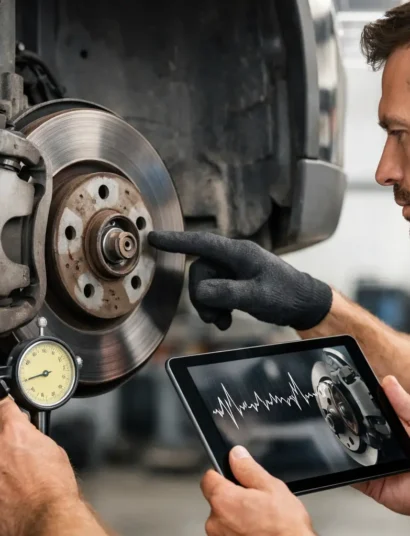
A red brake warning light can indicate that the parking brake is engaged, brake fluid is low, or there is a hydraulic brake system concern. First, confirm the parking brake is fully released. If the light remains on, or if the brake pedal feels soft, sinks toward the floor, or requires more distance to stop, do not keep driving.
Brake issues are safety issues. A prompt inspection is the right call even if the vehicle seems to stop normally at first.
Lights That Still Deserve Prompt Service
Amber warnings are often less urgent, but they should not be ignored for weeks. A tire pressure light may mean one or more tires need air, but it can also indicate a puncture or slow leak. Check pressures when tires are cold and use the pressure listed on the driver’s door placard, not the number printed on the tire sidewall.
The ABS light means the anti-lock braking system may not be available. Your normal brakes may still function, but the vehicle may not prevent wheel lockup during hard braking or slippery conditions. Schedule service soon, especially before wet-weather driving.
A traction control or stability control light can come on temporarily when the system is actively helping with wheel slip. If it stays illuminated, the system may have a fault or may be turned off. Since these systems help maintain control during sudden maneuvers and rain-soaked roads, have the cause checked.
Service reminders for oil life, maintenance intervals, or inspection needs are different from fault warnings. They are based on mileage, time, or driving conditions. They are still valuable because delayed maintenance can contribute to larger problems later.
What to Do Before You Bring Your Vehicle In
You do not need to diagnose the vehicle yourself, but a few details can make the appointment more efficient. Notice when the warning light appeared, whether it stays on or flashes, and what the vehicle was doing at the time. A rough idle, hard starting, fuel smell, reduced power, unusual vibration, or recent drop in fuel economy can all help narrow the cause.
If it is safe, take a photo of the dashboard light. Also think about recent events: Did you fill up with fuel, drive through deep water, have a battery replaced, hit a pothole, or complete recent maintenance? These details do not prove the cause, but they give the technician useful context.
Avoid clearing the code or disconnecting the battery before a diagnostic appointment unless directed by a professional. Doing so can erase information stored by the vehicle computer, making an intermittent issue harder to pinpoint. It may also reset emissions monitors needed for state inspection.
A Clear Answer Is Worth More Than a Quick Guess
Warning lights are frustrating because the same symbol can have several possible causes. The goal of diagnostics is not to sell a list of parts. It is to identify the actual problem, explain the repair in plain language, and help you make a confident decision about what needs attention now.
At Firestone1960, drivers can bring in concerns ranging from a check engine light to charging, brake, cooling, and electrical warnings. A careful inspection helps separate a minor maintenance need from an issue that could leave you stranded or compromise safety.
When a dashboard light appears, trust the signal without panicking. Pay attention to its color and behavior, stop driving when the vehicle shows signs of immediate trouble, and schedule a professional check before a small warning becomes a costly repair.
Social Share:




No Comment Yet! You can post first response comment.