

10. 25. 2026
Best Time for Tire Replacement: 6 Clear Signs
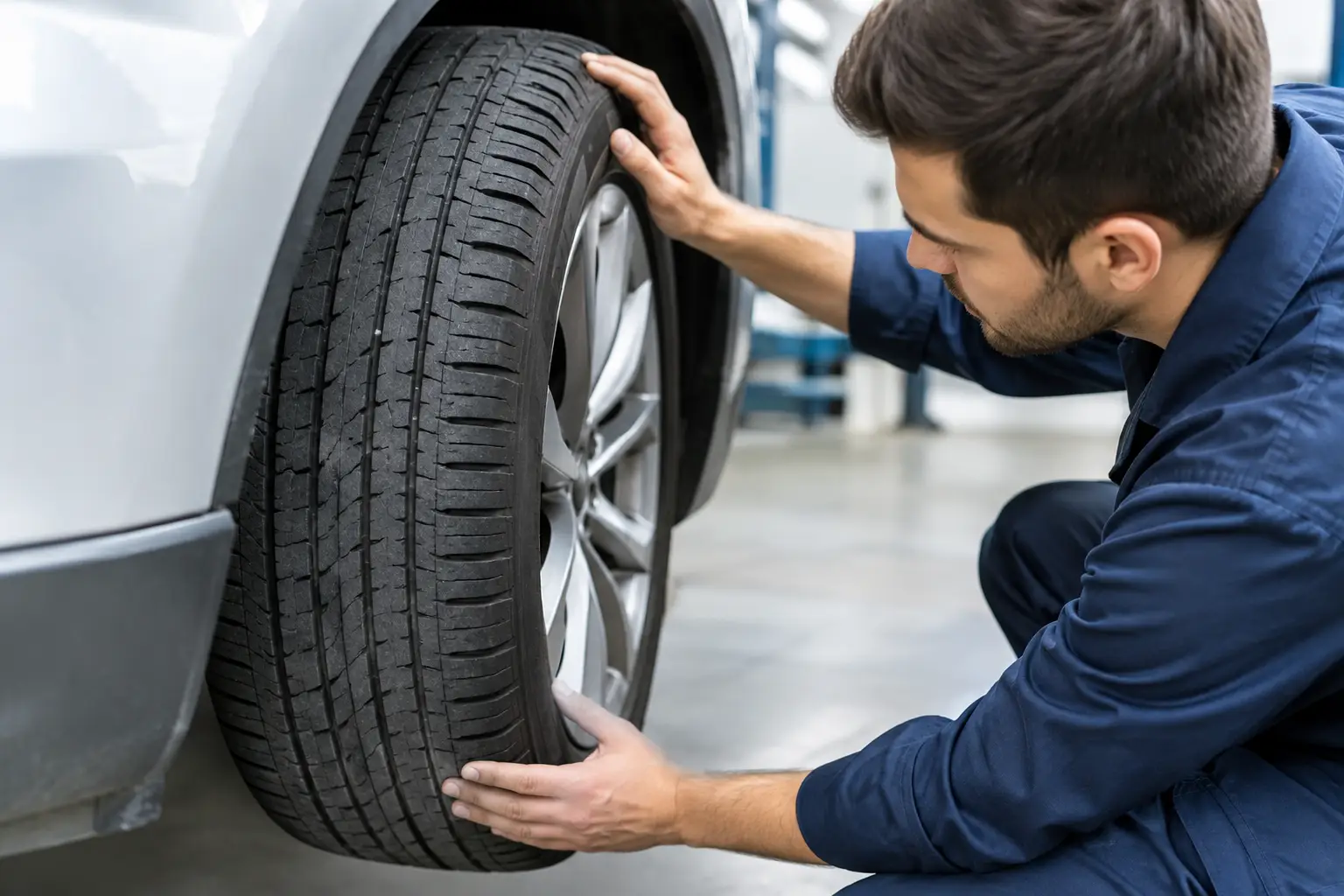
A tire rarely fails at a convenient time. It usually shows warning signs first: longer stops in the rain, a growing vibration on the highway, or tread that looks noticeably thin. The best time for tire replacement is before those signs become a safety problem, especially for Houston-area drivers dealing with heat, heavy rain, potholes, and long daily commutes.
Waiting until a tire goes flat or fails inspection can turn a routine service visit into an unexpected roadside situation. A quick look at your tires and a professional inspection when something feels off can help you plan ahead, protect your vehicle, and keep your ride steady.
The Best Time for Tire Replacement Depends on Condition
There is no single mileage number that applies to every set of tires. Some tires wear out around 40,000 miles, while others may last much longer with regular rotations, proper inflation, and good alignment. Your driving habits, vehicle type, road conditions, and tire quality all affect how quickly the tread wears.
The calendar matters too. Rubber changes as it ages, even when a vehicle is not driven often. A lightly used car with older tires may need replacement sooner than a high-mileage vehicle with newer tires that have been well maintained.
Instead of relying only on mileage, pay attention to tread depth, tire age, visible damage, and how the vehicle feels on the road. Those details provide a clearer answer than any maintenance schedule alone.
Six Signs It Is Time to Replace Your Tires
1. Tread depth is at or near the limit
Tread is what helps your tires move water away from the road. When it gets too shallow, your car has less grip during rain and may take longer to stop. In the United States, 2/32 of an inch is generally considered the legal minimum tread depth, but that is not always the safest point to wait for replacement.
For drivers who regularly face Houston rain, replacing tires closer to 4/32 of an inch can be a smart decision. At that point, wet-road performance can begin to decline even though the tire is not completely worn out. The penny test can offer a quick estimate, but a tread-depth gauge or professional measurement is more accurate.
2. The wear is uneven
A tire should wear evenly across its tread. If the inside edge is smooth while the rest of the tire looks fine, or if one area feels cupped or scalloped, there may be more going on than normal wear.
Uneven wear can point to an alignment problem, worn suspension components, improper inflation, or a tire that has not been rotated on schedule. Replacing the tire without correcting the underlying issue can cause the new one to wear out early. A tire inspection should include a look at alignment and the condition of related steering and suspension parts.
3. You see cracks, bulges, cuts, or exposed cords
Tires endure a lot of abuse from rough pavement, curbs, construction debris, and potholes. Small surface cracks may develop as rubber ages, particularly in hot climates. Deep cracks, sidewall cuts, bulges, or any visible fabric or steel cords are more serious warning signs.
A sidewall bulge often means the internal structure has been damaged. That tire may look usable, but it can fail without much warning. It should be inspected promptly and usually replaced rather than repaired. Sidewall damage is not the same as a simple tread puncture.
4. The vehicle pulls, shakes, or rides differently
A vibration in the steering wheel, seat, or floorboard can come from tire imbalance, uneven wear, a bent wheel, or other mechanical concerns. A vehicle that pulls to one side may have an alignment issue, but tire condition can also play a role.
Do not assume a rough ride is just part of driving an older vehicle. If the feeling is new, getting worse, or appears at certain speeds, have it checked. Addressing the cause early may prevent further tire damage and improve handling.
5. You keep adding air to the same tire
Temperature changes can affect tire pressure, and a small seasonal adjustment is normal. Repeated pressure loss in one tire is different. It may be caused by a nail, valve stem leak, damaged wheel, or a puncture that cannot be safely repaired.
Some tread punctures can be repaired if they are small, located in the proper area, and caught before the tire is driven flat. Damage near the sidewall, large punctures, or internal damage from driving on a low tire may require replacement. A technician can determine whether a repair is safe instead of guessing.
6. The tires are old, even if the tread looks decent
Tire age is easy to overlook on vehicles that are driven only occasionally. Rubber can harden and crack over time, reducing grip and increasing the chance of damage. Check the four-digit date code on the sidewall to see when a tire was manufactured. The first two digits show the week, and the last two show the year.
There is no universal replacement date for every tire because storage conditions, climate, and use vary. Still, tires that are around six years old deserve closer attention, and older tires should be inspected regularly. Your vehicle owner’s manual and tire manufacturer recommendations can provide additional guidance for your specific vehicle.
Houston Heat Can Shorten Tire Life
North Houston drivers put their tires through demanding conditions. Hot pavement raises tire temperatures, and underinflated tires build even more heat as they flex. That combination can speed up wear and increase the risk of damage.
Check tire pressure at least once a month and before long trips. Use the pressure listed on the driver’s door placard, not the maximum pressure molded into the tire sidewall. Check when tires are cold, ideally before driving or after the car has been parked for several hours.
Regular tire rotations are equally valuable. Most vehicles benefit from rotation about every 5,000 to 7,500 miles, though the right interval depends on the vehicle and tire type. Rotations help distribute wear more evenly, which can extend the usable life of the full set.
Should You Replace One Tire or All Four?
The right answer depends on the remaining tread, the vehicle’s drivetrain, and the condition of the other tires. If one tire is damaged and the other three have substantial, even tread remaining, replacing one tire may be reasonable. Matching the same tire model and size is usually the best approach when possible.
For all-wheel-drive vehicles, tread differences between tires can matter more because the system relies on all four wheels working together. A significant mismatch can place extra stress on drivetrain components. In some cases, replacing two tires or all four is the safer and more practical choice.
If replacing two tires, the new pair is commonly installed on the rear axle to improve stability during wet-weather driving. That recommendation can surprise front-wheel-drive owners, but rear traction plays a major role in helping prevent a vehicle from sliding or spinning in rain. A qualified technician can recommend the safest option for your vehicle rather than pushing a one-size-fits-all sale.
Pair Tire Replacement With the Right Service
New tires perform best when the wheels are balanced and the alignment is checked. Balancing helps prevent vibrations, while alignment helps your tires meet the road at the correct angle. Skipping these services after noticing uneven wear can shorten the life of a new set.
It is also a good time to check brakes, suspension components, and tire pressure monitoring system sensors. These systems all affect how your vehicle drives and how confidently it stops. At Firestone1960, a tire inspection can help you understand what needs attention now and what can be planned for later, with clear recommendations and no guesswork.
Do not wait for a blowout, a failed inspection, or the first hard stop on a wet road to think about your tires. If your tread looks low, your ride feels different, or you are unsure about tire age, a quick inspection today can give you a safer, smoother trip tomorrow.
Social Share:


No Comment Yet! You can post first response comment.