

09. 23. 2026
12 Best Questions to Ask a Mechanic Before Repairs

A check-engine light, a grinding brake pedal, or a car that suddenly pulls to one side can make any driver feel pressured to approve repairs quickly. Knowing the best questions to ask a mechanic gives you a clearer picture of what your vehicle needs, what can wait, and what the work will cost. A trustworthy shop should welcome those questions and explain the answers in plain language.
For drivers around North Houston, that matters. Your vehicle may face long commutes, heavy traffic, high summer heat, sudden rain, and plenty of road construction. Staying informed helps you protect your safety and your budget without guessing about every recommendation.
Best Questions to Ask a Mechanic Before You Approve Work
1. What did you find, and how did you confirm the problem?
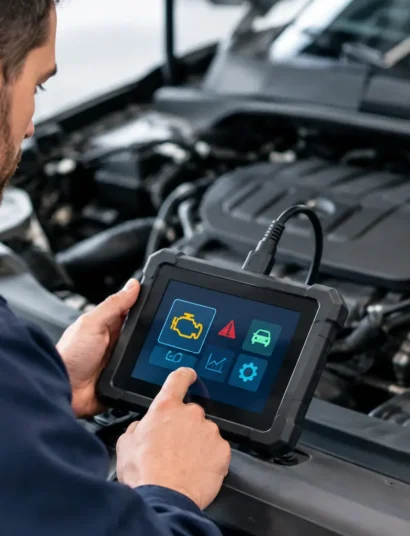
Start with the diagnosis. Ask the technician or service advisor to explain what they found and what testing led them there. For example, a check-engine light can be caused by something as simple as a loose gas cap or something more involved, such as an ignition, fuel, sensor, or emissions issue.
A good explanation should connect the symptom you noticed to the repair being recommended. You do not need to know every technical term. You should, however, leave with a basic understanding of why the repair is needed.
2. Can you show me the issue?
When practical, ask to see the worn part, leak, damaged tire, or test result. A cracked belt, uneven tire wear, thin brake pads, or a fluid leak is often easier to understand when you can see it yourself.
Not every issue is visible. Electrical faults and internal engine concerns may require scan-tool data or more detailed testing. Even then, the shop should be able to walk you through the evidence rather than asking you to approve a major repair with no explanation.
3. Is this a safety concern, a reliability concern, or routine maintenance?
This question helps put the recommendation in context. Brakes that are metal-on-metal, a tire with exposed cords, steering problems, or an overheating engine may need immediate attention because continuing to drive can be unsafe or cause serious damage.
Other services may be preventative. A cabin air filter, a fluid exchange, or a tire rotation can be valuable maintenance, but the timing may have more flexibility. Ask which category your repair falls into so you can make decisions based on urgency, not pressure.
4. What could happen if I wait?
Sometimes waiting is reasonable. Sometimes it turns a smaller repair into a much larger one. Ask what the likely outcome is if you drive another week, month, or a few thousand miles before scheduling service.
The answer should be specific. A technician might tell you that worn brake pads can damage the rotors, that a small coolant leak can lead to overheating, or that uneven tire wear can shorten the life of a new set of tires. That information lets you prioritize repairs when more than one item needs attention.
5. Are there repair options, and what are the trade-offs?
There is not always one perfect option. Depending on the vehicle, you may have a choice between original-equipment parts, high-quality aftermarket parts, or repairs that address the immediate issue while planning for additional work later.
Ask about the difference in price, expected lifespan, warranty coverage, and performance. The lowest-cost choice is not automatically the best value, especially for safety-related components such as brakes, tires, suspension, and steering. On the other hand, it may not make sense to install premium parts on an older vehicle if the benefit does not match your needs and budget.
6. Can I get an itemized written estimate?
An estimate should clearly separate parts, labor, shop supplies, taxes, diagnostic charges, and any fees. That does not mean every repair price will be identical from one shop to another. Labor time, part quality, warranty terms, and the thoroughness of the diagnosis can all affect the total.
What matters is that you know what you are approving. If a number is unclear, ask for it to be explained before work begins. Honest communication is part of good auto care, not an inconvenience to the shop.
7. Does this price include everything needed to complete the repair?
This is one of the most practical questions to ask. Some repairs reveal related issues only after the vehicle is disassembled. For instance, brake work may uncover damaged hardware, or a cooling-system repair may expose a weak hose or corroded connection.
Ask whether the estimate includes the likely related parts and fluids. Also ask how the shop will handle anything unexpected. You should know whether they will call for your approval before adding work or charges.
8. How long will the repair take, and when can you start?
Turnaround matters when you depend on your vehicle for work, school drop-offs, appointments, and family errands. Ask whether the repair can be completed the same day, whether parts must be ordered, and when your vehicle is expected to be ready.
Be realistic about timing. A routine oil change or tire rotation is very different from diagnosing an intermittent electrical issue or completing a major engine repair. A dependable shop will give you an honest timeframe and keep you updated if the situation changes.
9. What parts are being installed on my vehicle?
You have a right to know what is going into your car. Ask whether parts are new, remanufactured, original-equipment, or aftermarket. For tires, ask about the tire model, size, speed rating, tread-life warranty, and whether mounting, balancing, and disposal are included.
Quality matters, but so does fit. The right part is one that meets your vehicle’s requirements and makes sense for how you drive. A commuter vehicle, work truck, performance car, and family SUV may need different solutions.
10. What warranty comes with the parts and labor?
A repair warranty provides useful peace of mind, but read it as a service promise rather than a reason to ignore maintenance. Ask how long the parts and labor are covered, what the warranty includes, and what steps to take if the same problem returns.
It is also fair to ask whether the warranty applies if you move, travel, or have follow-up work performed elsewhere. Keep your invoice after the repair. It documents the work completed and gives you a useful maintenance record for the future.
11. Will you contact me before doing additional work?
Clear authorization prevents surprises. Let the shop know the best phone number to use and whether you want a call, text, or email if they find another concern. You can also set a dollar amount above which you want approval before any extra work begins.
This is especially helpful during diagnostics. Finding the root cause of a warning light or drivability problem sometimes takes more than one test. A professional shop will explain the next diagnostic step and its cost instead of moving forward without your permission.
12. What maintenance should I plan for next?
Before you leave, ask what should be watched or scheduled next. The answer may include a future oil change, tire rotation, brake inspection, alignment check, battery test, or manufacturer-recommended service interval.
This is not about creating a long list of expenses. It is about planning ahead. Addressing maintenance on schedule can help reduce breakdowns, improve fuel efficiency, extend tire life, and catch small concerns before they disrupt your week.
How to Have a Better Conversation at the Repair Shop
Bring details about what you have noticed. Mention when the sound occurs, whether it happens while braking or turning, how long the warning light has been on, and whether the problem began after a pothole, storm, battery replacement, or recent service. A short video or photo of an intermittent symptom can be helpful, too.
It also helps to share your priorities. If you need the vehicle ready for a trip, have a fixed budget, or plan to keep the car for several more years, say so. Your mechanic can recommend a path that fits your situation rather than treating every repair the same way.
At Firestone1960, the goal is to give drivers clear answers and dependable service, whether the vehicle needs tires, maintenance, diagnostics, brakes, alignment, or a more involved repair. You should never feel rushed into a decision you do not understand.
The right mechanic will not expect you to know everything about cars. They will take the time to explain what they found, answer your questions directly, and help you make a safe, informed choice for the road ahead.
Social Share:




No Comment Yet! You can post first response comment.