

08. 22. 2026
Engine Overheating Repair Guide for Drivers

A temperature gauge climbing toward red during a North Houston commute is not a warning to ignore until you get home. Excess heat can turn a manageable cooling-system repair into warped engine components, a damaged head gasket, or a complete engine failure. This engine overheating repair guide explains what to do in the moment, what may be causing the problem, and when your vehicle needs professional attention.
What to Do When Your Engine Starts Overheating
If the temperature warning light comes on, the gauge moves into the red zone, or steam rises from under the hood, reduce the engine load right away. Turn off the air conditioning, which puts additional demand on the engine, and turn the heater to its highest setting if you can safely tolerate it. The heater core can pull some heat away from the engine while you find a safe place to stop.
Pull over as soon as it is safe to do so, shift into park, and turn off the engine. Do not keep driving in hopes that the gauge will come down. A vehicle that is already overheating can suffer damage in only a few more miles, especially in Houston traffic or summer heat.
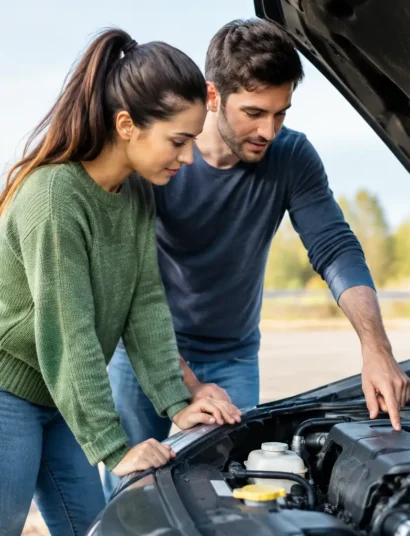
Never remove the radiator cap or coolant reservoir cap while the engine is hot. The cooling system is pressurized, and hot coolant can spray out with enough force to cause serious burns. Let the vehicle cool completely before looking under the hood. If you see a large coolant leak, smell a strong sweet odor, or the gauge reaches the red zone quickly, arranging a tow is the safest choice.
A little steam does not always mean the engine is ruined, but it does mean the cooling system needs to be checked before normal driving resumes.
Common Causes Behind an Overheating Engine
Your engine creates a tremendous amount of heat every time you drive. The cooling system manages that heat by circulating coolant through the engine, radiator, hoses, thermostat, water pump, and cooling fans. When one part is not doing its job, temperatures can rise fast.
Low Coolant or a Coolant Leak
Low coolant is one of the most common causes of overheating. Coolant can escape through a cracked hose, loose clamp, leaking radiator, worn water pump, damaged reservoir, or internal engine leak. You may notice a puddle under the vehicle, but not every leak reaches the ground. Coolant can evaporate on hot engine parts or leak internally.
After the engine has fully cooled, check the coolant reservoir level against the markings on the tank. Adding the correct coolant may help in an emergency, but it is not a complete repair. Coolant does not simply disappear. The system should be inspected to find the source of the loss.
A Stuck Thermostat
The thermostat controls when coolant flows from the engine to the radiator. If it sticks closed, hot coolant stays trapped in the engine and the temperature can rise quickly. If the gauge suddenly climbs after the vehicle has warmed up, a thermostat may be part of the problem.
Thermostat replacement is often less costly than major cooling-system repairs, but diagnosis still matters. Similar symptoms can come from a failing water pump, restricted radiator, or air trapped in the system.
Cooling Fan Problems
At highway speed, air naturally moves through the radiator. At idle, in stop-and-go traffic, or while waiting in a drive-thru, electric cooling fans do much of the work. A failed fan motor, relay, fuse, temperature sensor, wiring connection, or fan control module can cause the temperature to rise mainly when the vehicle is stopped.
If your vehicle runs hot in traffic but cools down once you are moving, the fans deserve prompt attention. Continuing to drive may be risky because the problem can return every time traffic slows.
A Failing Water Pump or Drive Belt
The water pump circulates coolant through the engine and radiator. A worn pump may leak, make noise, or lose the ability to move enough coolant. On some vehicles, a damaged serpentine belt can also prevent the pump from operating properly.
Warning signs can include coolant near the front of the engine, a squealing belt, grinding noise, or repeated overheating. Because water-pump access varies widely by vehicle, the repair cost and labor can vary as well. An accurate inspection prevents replacing parts based on guesswork.
Radiator Restrictions and Contamination
A radiator needs clear airflow outside and clean coolant passages inside. Leaves, dirt, road debris, or damaged fins can reduce airflow. Old coolant, rust, or stop-leak products can restrict internal passages and limit heat transfer.
This is why a cooling-system service is more than topping off a reservoir. A technician can inspect coolant condition, test the system for pressure loss, check radiator flow, and verify that the vehicle reaches and holds the proper operating temperature.
More Serious Internal Engine Problems
Sometimes overheating is a symptom of a larger engine issue. A blown head gasket, cracked cylinder head, or damaged engine block can allow combustion gases into the cooling system or coolant into the engine oil. White exhaust smoke, a rough-running engine, bubbles in the coolant reservoir, milky-looking oil, or repeated coolant loss without an obvious external leak all call for professional diagnostics.
These repairs can be significant, but catching the issue early may limit the damage. Continuing to drive an engine that repeatedly overheats is the costly part.
A Practical Engine Overheating Repair Guide: Check, Test, Repair
A dependable repair starts with confirming why the engine got hot, not just replacing the most visible part. At a qualified repair shop, the process generally begins with a visual inspection of hoses, clamps, belts, the radiator, and coolant level. Technicians can then pressure-test the cooling system to identify leaks that are hard to see when the engine is cold.
The next step may include checking fan operation, testing the thermostat, inspecting electrical circuits, scanning for temperature-related diagnostic codes, and verifying water-pump performance. If there are signs of internal engine trouble, combustion-gas testing and other engine diagnostics may be needed.
The right repair depends on the results. A small hose leak may require a straightforward replacement and refill. A failed fan relay might be a targeted electrical repair. A leaking water pump, restricted radiator, or head-gasket issue requires a more involved plan. Honest diagnostics matter because the symptoms can overlap, and replacing parts without testing can waste both time and money.
After repairs, the cooling system should be refilled with the manufacturer-recommended coolant mixture and properly purged of air. Air pockets can cause hot spots and trigger another overheating event even when the failed part has been replaced.
Can You Drive After the Temperature Returns to Normal?
It depends on what happened. If the gauge briefly rose because the vehicle was under heavy load on an extremely hot day, then returned to normal and stayed there, the issue may still need inspection but may not require an emergency tow. However, a warning light, steam, coolant loss, or a gauge that reaches the red zone should be treated as a serious problem.
Do not rely on the temperature gauge alone. Some vehicles have buffered gauges that appear normal until the engine is already very hot. Pay attention to coolant smells, weak cabin heat, visible leaks, unusual fan noise, and a heater that suddenly blows cold air. Those can all signal low coolant or poor circulation.
If you must move the vehicle a very short distance to reach safety, keep the air conditioning off, use the heater, watch the gauge constantly, and stop immediately if it rises again. This is not a substitute for repair. When there is any doubt, towing protects the engine and often costs far less than major engine work.
How to Help Prevent Another Overheating Problem
Regular maintenance gives the cooling system its best chance of handling Texas heat. Check coolant levels periodically when the engine is cold, and have visible leaks investigated early. Follow your vehicle manufacturer’s maintenance schedule for coolant replacement, belts, and related services.
It also helps to address a check engine light, weak battery, or electrical problem promptly. Modern cooling fans and temperature controls rely on sensors, relays, modules, and wiring. What appears to be a simple overheating issue can sometimes begin with an electrical fault.
For drivers who rely on their vehicles for work, school runs, and daily errands, a cooling-system inspection before the hottest months can provide useful peace of mind. At Firestone1960, technicians can inspect the source of an overheating concern, explain the findings clearly, and recommend repairs based on what your vehicle actually needs.
If your temperature gauge has moved higher than normal even once, trust that signal. Getting it checked while the repair is still small is one of the best ways to keep your vehicle safe, dependable, and ready for the miles ahead.
Social Share:



No Comment Yet! You can post first response comment.