

10. 5. 2026
Ceramic Brake Pads Review for Daily Drivers
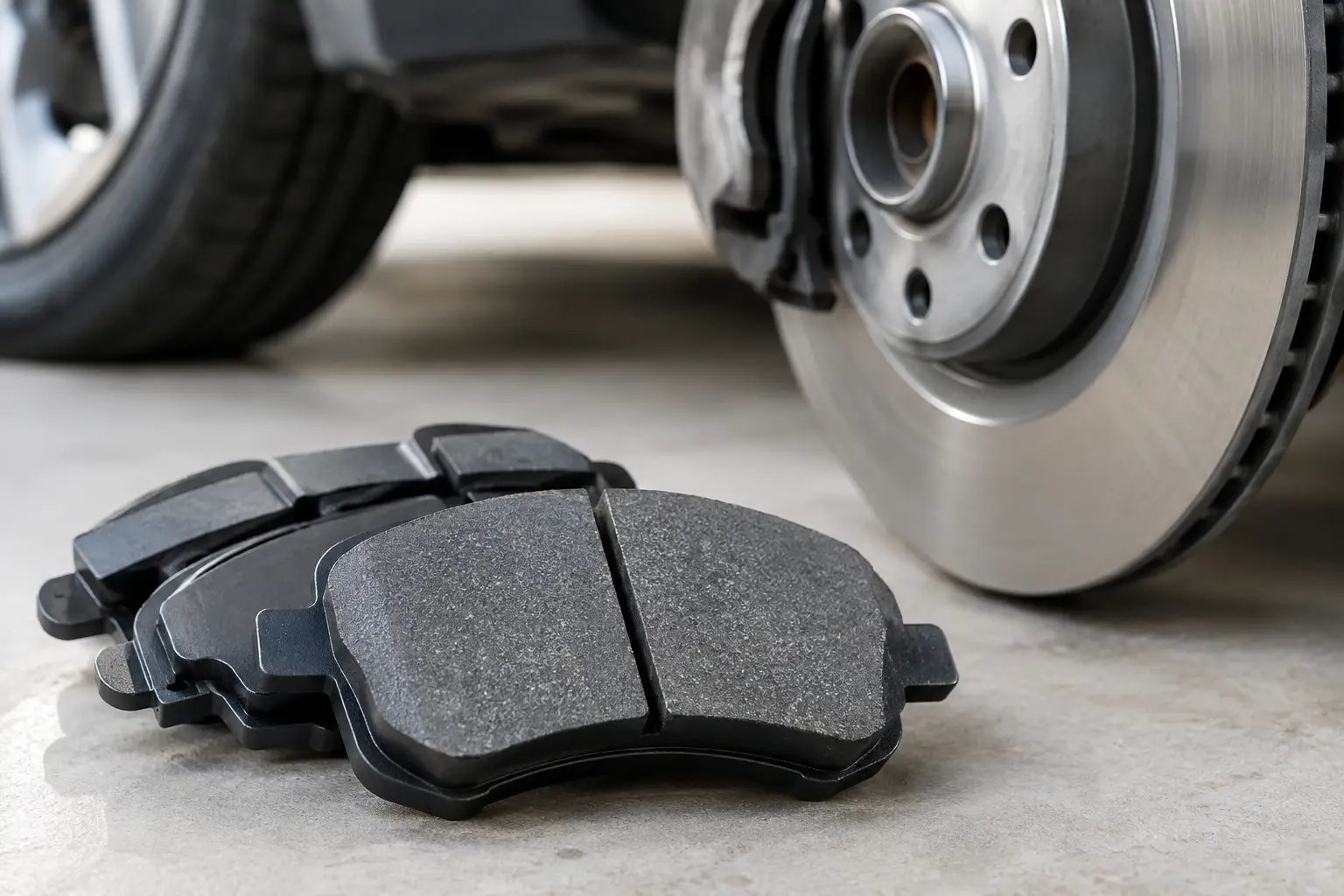
A quiet stop in Houston traffic can feel like a small victory, especially when your commute includes crowded freeways, school drop-offs, and stop-and-go errands. This ceramic brake pads review looks at what daily drivers can realistically expect from ceramic pads: cleaner wheels, less noise, dependable stopping, and a few trade-offs worth considering before your next brake service.
For many sedans, crossovers, minivans, and light-duty trucks, ceramic pads are an excellent everyday choice. They are not automatically the best answer for every vehicle or driving habit, though. The right brake pad depends on your vehicle, its factory brake system, how much weight you carry, and whether you spend your weekends towing, hauling, or driving aggressively.
What Are Ceramic Brake Pads?
Ceramic brake pads use a dense friction material made from ceramic fibers, bonding agents, and small amounts of metal. When you press the brake pedal, the pads clamp against the brake rotors and convert motion into heat, slowing the vehicle down.
They differ from semi-metallic pads, which use a higher percentage of metal fibers. Semi-metallic pads are common because they handle heat well and often cost less. Ceramic pads are designed more for refined daily driving, with an emphasis on quiet operation, low visible dust, and consistent performance during normal commuting.
That distinction matters. Brake pads are not a one-size-fits-all part, even when several options fit the same vehicle. A good technician will consider your driving needs rather than simply installing the most expensive pad on the shelf.
Ceramic Brake Pads Review: The Everyday Benefits
The feature most drivers notice first is reduced brake dust. Ceramic pads generally produce a lighter-colored dust that is less noticeable on alloy wheels than the dark dust often associated with semi-metallic pads. If you recently cleaned your wheels only to see black residue return after a few days, ceramic pads can make regular upkeep easier.
They also tend to run quietly. Quality ceramic pads are known for smooth, controlled braking with less squealing under ordinary conditions. No brake pad can promise absolute silence – moisture, overnight surface rust on rotors, debris, and worn hardware can all create occasional noise – but ceramics are often a strong option for drivers who want a more comfortable ride.
Pedal feel is another advantage. On a properly serviced brake system, ceramic pads can deliver predictable stopping power in city traffic and on the highway. They warm up quickly for normal use and provide a confident, progressive feel instead of an overly grabby response.
Ceramic pads also typically last well under everyday driving conditions. Their lifespan still depends on traffic, driving style, vehicle weight, and rotor condition. A driver who brakes gently on open roads will get very different results than someone who regularly navigates Houston congestion or makes frequent short trips.
Where Ceramic Pads May Not Be the Best Fit
Ceramic pads are made for daily comfort and consistency, not every demanding situation. If you tow a trailer, carry heavy equipment, drive a large work truck, or regularly travel through steep terrain, semi-metallic pads may offer better high-heat performance. They are often better suited to applications where the brakes must repeatedly manage heavier loads.
Performance-oriented vehicles can also be different. A pad that feels quiet and smooth during normal errands may not offer the bite or heat resistance needed for track use, spirited mountain driving, or high-performance braking. Specialty performance pads may be a better fit in those cases, although they can create more noise and dust.
Cold weather performance is another factor, though it is less of a concern for most North Houston drivers. Some ceramic compounds need a little more heat to reach their best friction level than semi-metallic pads. For ordinary Texas driving, this is rarely a deal-breaker. It simply reinforces the value of choosing a pad designed for your vehicle and driving conditions.
Are Ceramic Brake Pads Worth the Higher Price?
Ceramic brake pads often cost more upfront than basic semi-metallic options. Whether they are worth it comes down to what matters most to you. If clean wheels, quieter stops, and a comfortable daily driving experience are priorities, the added cost can be money well spent.
The lowest-priced brake job is not always the lowest-cost choice over time. Pad quality, rotor condition, installation, brake hardware, and warranty coverage all affect how well the system performs. A bargain pad installed on worn rotors or reused hardware may squeal, wear unevenly, or leave you needing another repair sooner than expected.
For many families and commuters, the best value is a quality ceramic pad paired with a thorough brake inspection. That approach focuses on safe, dependable service instead of replacing parts that do not need to be replaced.
Pads and Rotors Need to Work Together
Brake pads do not operate alone. Rotors provide the smooth metal surface the pads grip, and their condition has a direct effect on stopping performance. Rotors with deep grooves, excessive runout, heat spots, or uneven thickness can cause vibration, pulsation, noise, and uneven pad wear.
During brake service, a technician should inspect the rotors, calipers, brake hoses, mounting hardware, and fluid condition. Sometimes rotors can be machined if they remain within the manufacturer’s minimum thickness specification. Other times, replacement is the safer and more practical option.
New pads also need proper break-in, often called bedding. This is a controlled series of moderate stops that transfers a thin, even layer of pad material to the rotor surface. Correct bedding helps reduce noise, improves pedal feel, and supports even wear. Avoid hard braking immediately after service unless an emergency requires it, and follow the shop’s specific break-in instructions.
How to Choose the Right Ceramic Pads
Start with the vehicle manufacturer’s recommendations. Many newer vehicles are designed around a particular friction material, and an original-equipment-quality ceramic pad can preserve the braking feel drivers expect. For older vehicles, there may be more flexibility, but quality still matters.
Look beyond the pad material alone. A complete brake service should include compatible hardware when needed, proper lubricant in the correct locations, and attention to caliper movement. Sticking slide pins or worn shims can create noise and uneven wear regardless of whether the pads are ceramic or semi-metallic.
Be honest about how you use your vehicle. A compact commuter car, a family SUV, and a work truck may all benefit from different brake pad compounds. At Firestone1960, the goal is to explain those options clearly, recommend what fits your driving needs, and help you make a confident decision without pressure.
Signs It Is Time for Brake Service
Do not wait for a warning light if your vehicle is showing clear brake symptoms. Schedule an inspection if you hear persistent squealing or grinding, feel shaking in the steering wheel or pedal when braking, notice a soft pedal, or find that your vehicle pulls to one side during a stop.
A brake warning light, burning smell, or sudden loss of braking response needs immediate attention. Grinding can mean the pad material is worn down and metal is contacting the rotor, which can turn a straightforward pad replacement into a more involved repair.
Regular inspections help catch brake wear early, before safety and repair costs become bigger concerns. If your wheels are collecting dark dust, your brakes are getting noisy, or your pedal feels different than usual, a professional inspection can tell you whether ceramic pads are the right next step for your vehicle.
Social Share:




No Comment Yet! You can post first response comment.