

09. 19. 2026
What Causes Uneven Tire Wear? Common Reasons
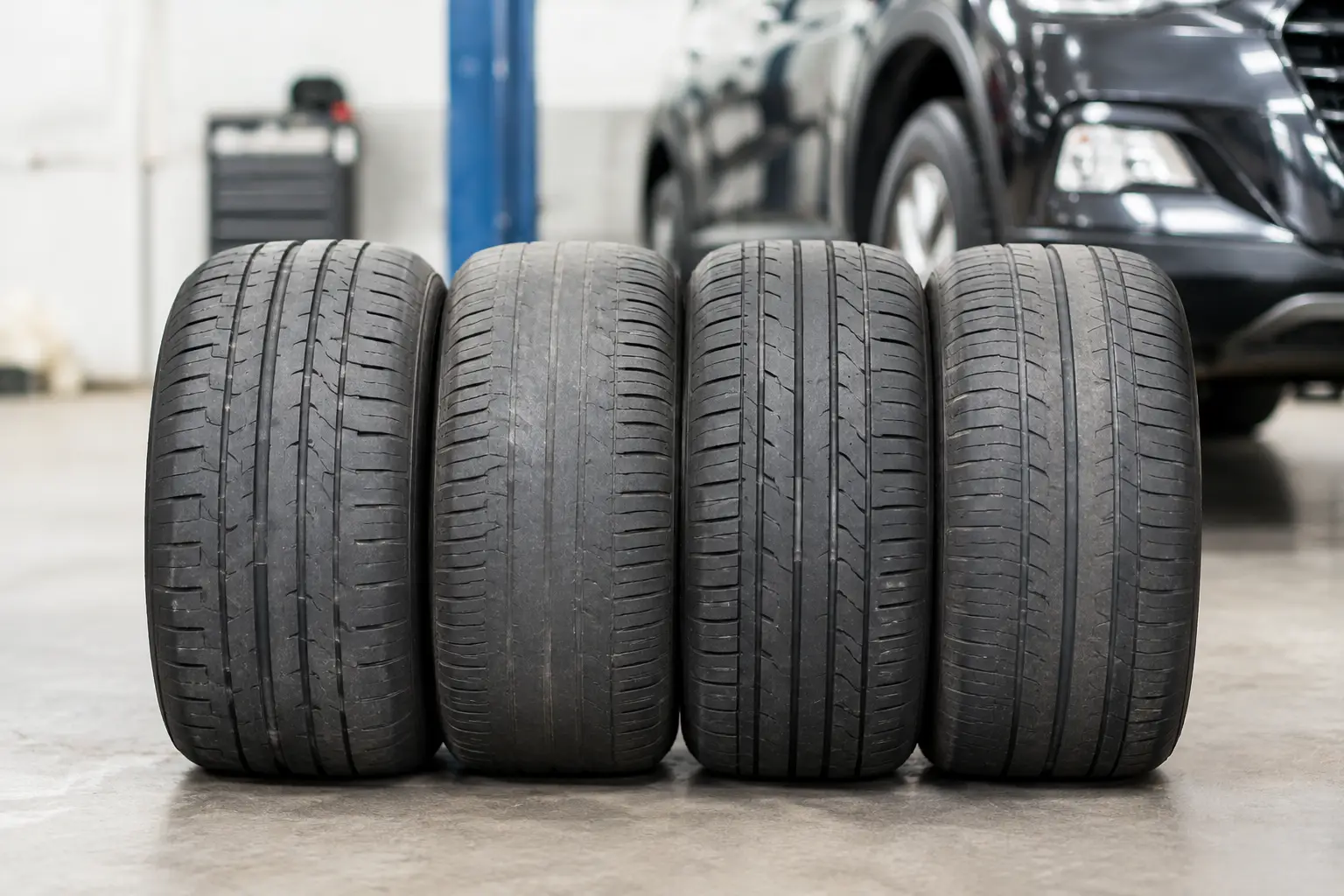
A tire can look fine from the side and still be wearing out much faster on one edge, across the center, or in small scalloped patches. Understanding what causes uneven tire wear helps you catch a vehicle problem before it becomes an expensive set of replacement tires, a rough ride, or a safety concern on Houston roads.
Uneven wear is not one issue with one fix. The pattern on the tread often points to the system that needs attention: tire pressure, wheel alignment, suspension parts, balance, or driving conditions. A quick visual check can tell you a lot, but a professional inspection is the best way to confirm the cause before replacing tires.
What Causes Uneven Tire Wear on a Vehicle?
Most uneven tire wear comes down to the tire not meeting the road evenly. That can happen because the tire is underinflated or overinflated, the wheels are out of alignment, worn parts allow the wheel to move, or the tire is not balanced correctly. Skipping tire rotations can also make a normal wear difference become a major one.
Front tires commonly wear differently from rear tires because they handle steering, much of the braking force, and the weight of the engine. On front-wheel-drive vehicles, the front tires also deliver power to the road. That is why regular rotations and inspections matter, even when the vehicle seems to drive normally.
Incorrect Tire Pressure
Low tire pressure usually wears down both outer shoulders of the tread. The tire flexes more than it should, putting extra load on the edges and causing heat buildup. In North Houston’s hot weather, that additional heat can accelerate tire damage and reduce fuel economy.
Overinflation tends to wear the center of the tread first. A tire with too much air rides on its middle section rather than spreading contact evenly across the road. It may also feel harsher over potholes, bridge joints, and uneven pavement.
Check pressure at least once a month and before longer trips. Use the pressure listed on the driver’s door placard, not the maximum pressure printed on the tire sidewall. The sidewall number is a tire limit, not the recommended setting for your vehicle.
Wheel Alignment Problems
Misalignment is one of the most common answers to what causes uneven tire wear. Alignment refers to the angles at which your wheels point and sit against the road. Even a small change can wear through an edge of a tire surprisingly quickly.
Toe, camber, and caster are the primary alignment angles. Toe problems can create a feathered tread that feels smooth in one direction and sharp in the other. Too much positive or negative camber can wear the outside or inside edge of the tire. Caster usually affects steering stability, but it can contribute to handling and alignment concerns when it is out of specification.
An alignment can be knocked out by a pothole, curb strike, road debris, or normal wear in steering and suspension components. If your vehicle pulls to one side, the steering wheel sits off-center while driving straight, or you notice one-sided tire wear, it is time to have the alignment checked.
Worn Suspension or Steering Components
Tires cannot wear evenly if the wheel assembly is moving around more than it should. Worn shocks, struts, ball joints, tie rods, control arm bushings, or wheel bearings can all affect how the tire stays planted on the road.
Cupping, also called scalloping, is a common sign of this issue. Instead of a smooth tread surface, you may see or feel repeating dips around the tire. Weak shocks or struts are frequent contributors because they allow the tire to bounce rather than maintain consistent contact with the pavement.
Not every suspension problem creates an obvious noise. Sometimes the first clue is a vibration, wandering steering, uneven tire wear, or a vehicle that feels less settled over bumps. Replacing tires without addressing the worn component can lead to the same damage on the new set.
Tire Wear Patterns and What They May Mean
The location and shape of the wear provide useful clues. These patterns are not a complete diagnosis on their own, but they help explain why a thorough inspection matters.
- Wear on both outer edges: Often points to underinflation or frequent driving with low tire pressure.
- Wear in the center of the tread: Often suggests overinflation.
- Wear on one inner or outer edge: Commonly related to camber alignment issues, though worn suspension parts can be involved.
- Feathered tread: Often caused by incorrect toe alignment. Run your hand gently across the tread in both directions to feel the difference.
- Cupped or scalloped spots: May indicate worn shocks or struts, an out-of-balance tire, or a loose steering or suspension component.
- A single worn patch: Can result from hard braking, a locked wheel, a tire balance concern, or a tire that has been damaged internally.
If you notice cords, bulges, cracks, separated tread, or very shallow tread in any area, do not wait for a routine visit. Those conditions can make a tire unsafe to drive on and may require immediate replacement.
Missed Rotations and Tire Balance Matter Too
Tire rotation does not correct an alignment problem, but it does help each tire share the workload. Most vehicles benefit from rotation about every 5,000 to 7,500 miles, although the right interval depends on the vehicle, tire type, and manufacturer recommendations. Rotating tires at oil-change intervals can make the schedule easier to remember.
Tire balancing is equally important. A tire and wheel assembly that is slightly heavier on one side can vibrate at certain speeds and wear unevenly over time. You may notice the vibration in the steering wheel with a front tire issue or in the seat with a rear tire issue, but that is not always a reliable rule.
Balance issues can develop after a wheel weight falls off, a tire is repaired, or the tire and wheel age. Road impacts can also bend a wheel, which may create vibration and affect how the tire wears. A technician can inspect the wheel, tire, and balance condition rather than assuming a new tire will solve the problem.
Driving Habits and Road Conditions Can Add to Wear
Hard cornering, quick acceleration, and aggressive braking all use up tread faster. That does not always create a dramatic uneven pattern, but it can make an existing alignment or suspension issue show up sooner. Heavy loads, frequent towing, and long commutes also place more demand on tires.
Houston-area roads can be tough on wheels and alignments. Construction zones, potholes after heavy rain, rough shoulders, and unexpected curb contact can all change the way a vehicle tracks. One impact may be enough to cause a pull or begin wearing an inside edge, particularly on lower-profile tires.
There is also a difference between normal wear and a mechanical issue. Front tires wearing faster than rear tires can be normal on many vehicles. A tire losing tread mostly on one edge, developing cups, or wearing dramatically faster than the others is not something to ignore.
How to Help Tires Wear More Evenly
The best protection is routine attention, not waiting until a tire looks bald. Check tire pressure monthly when the tires are cold, and inspect the tread whenever you wash the vehicle or stop for fuel. Look across the full width of each tire, including the inner edge that is easy to miss.
Keep up with rotations, and have the alignment checked when you install new tires, hit a significant pothole or curb, replace steering or suspension parts, or notice a pull or uneven tread. If the vehicle shakes at highway speed, schedule a tire balance and wheel inspection.
It also helps to ask for a clear explanation before approving repairs. A trustworthy shop should be able to show you the wear pattern, explain which component or measurement is causing concern, and tell you whether the tires can remain in service safely. At Firestone1960, that practical approach helps drivers make informed decisions without guessing at what their vehicle needs.
When to Schedule a Tire Inspection
Schedule an inspection soon if the vehicle pulls, shakes, wanders, or makes new humming or thumping noises. Do the same if you see one-sided wear, uneven patches, exposed wear bars, or tread that feels irregular to the touch. Tires are your vehicle’s only connection to the road, so a small issue can affect braking, handling, and wet-weather traction.
A tire check, rotation, alignment inspection, or suspension evaluation is usually far less costly than replacing a prematurely worn set. Catch the pattern early, address the actual cause, and your vehicle will be better prepared for the miles ahead.
Social Share:



No Comment Yet! You can post first response comment.